


Multiple outlets say Africa’s malaria response should be reframed to reflect the economic realities facing affected families. In particular, they highlight how households often face hard trade-offs when someone develops a severe fever or suspected malaria: staying home can mean losing wages for the day or the week, while seeking care can require money for transport and medical visits that may be unaffordable. The discussion, drawn from a piece originally published by Inter Press Service, argues that malaria is not only a health crisis but also a driver and consequence of poverty. By linking delayed or foregone treatment to financial constraints, the coverage calls for policy approaches that go beyond medical messaging. While the outlets focus on the need to “rewrite” the malaria story, they do so by centering the costs and decisions that shape whether patients can access timely diagnosis and treatment, aiming to make malaria interventions more responsive to the circumstances of vulnerable communities.
Calls grow to reframe malaria policy in Africa around poverty impacts
Multiple outlets say Africa’s malaria response should be reframed to reflect the economic realities facing affected families. In particular, they highlight how households often face hard trade-offs wh...
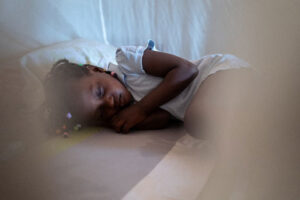
- Malaria is described as both a health crisis and a contributor to poverty.
- Coverage emphasizes that severe fever can lead people to miss work or lose wages.
- Households may delay or avoid care because of the cost of doctor visits and transport.
- Outlets argue Africa’s malaria response should be reframed to reflect these financial constraints.
- The main discussion is based on an Inter Press Service article.
[IPS] If you woke up with severe fever, would you stay home from work? What if the choice meant losing a week's wages, or deciding if you could afford the trip to a doctor at all?
3 months agoIf you woke up with severe fever, would you stay home from work? What if the choice meant losing a week’s wages, or deciding if you could afford the trip to a doctor at all? For families facing financial hardship, these are not theoretical choices. Malaria is not only a health crisis—it is a poverty […]
3 months ago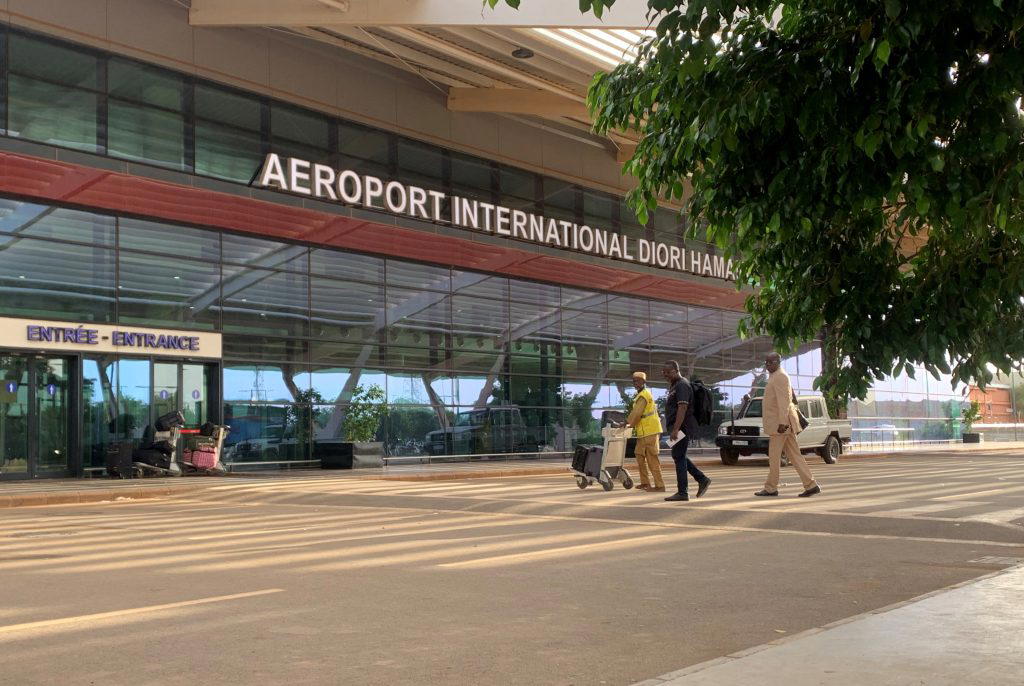
Gunfire in Niamey as Niger presidential guard repels alleged internal insurgent attempt
Gunfire erupts in Niamey as Niger’s presidential guard repels an alleged attempt by “insurgents within the armed forces”...

Israeli forces and settlers kill four Palestinians in Tel near Nablus amid renewed West Bank attacks
Israeli settlers and troops kill four Palestinians during an attack on the village of Tel, southwest of Nablus, on 24 Ju...
One Nation claims victory in Secret Harbour by-election, threatening Labor’s hold
One Nation is claiming victory in the Secret Harbour by-election in southern Perth, with results tightening as last-minu...