


Russia returns to the 2026 Venice Biennale for the first time since its full-scale invasion of Ukraine in 2022, and the move triggers protests from activists, artists, and political dissidents. The groups argue that cultural events are no longer neutral spaces and instead can become extensions of state power and wartime influence. In the accounts presented, speakers describe the Biennale as a forum where debates about legitimacy, moral responsibility, and memory intersect with international conflict. The protests include sharply worded criticism, including statements portraying culture in Russia as linked to violence, and accusations directed at Western cultural institutions. Alongside the Russia-related controversy, discussions highlighted broader tensions connected to other geopolitical disputes, including debates around reputational harm versus publicity. One correspondent frames the Biennale as a microcosm of a wider global political fracture, saying the turmoil from international politics has moved directly into the exhibition itself. The reporting describes the controversy as reshaping the event from a primarily artistic gathering into an arena for diplomatic and ethical confrontation.
Russia’s return to 2026 Venice Biennale sparks protests over culture and geopolitics
Russia returns to the 2026 Venice Biennale for the first time since its full-scale invasion of Ukraine in 2022, and the move triggers protests from activists, artists, and political dissidents. The gr...

- Russia returns to the 2026 Venice Biennale for the first time since the 2022 invasion of Ukraine.
- Activists, artists, and political dissidents protest Russia’s participation.
- Protesters argue that culture and international art institutions are not neutral during war and can reflect state power.
- Coverage presents the Biennale as increasingly affected by broader geopolitical disputes.
- The reporting describes debate over reputational damage versus publicity as part of the controversy.
Mark Owen is pleased to welcome Angelo Amante, Reuters correspondent in Rome. Russia has returned to the 2026 edition of the Venice Biennale for the first time since the full scale invasion of Ukraine in 2022. Their presence has triggered protests from activists, artists, and political dissidents who argue that culture itself has become an extension of state power and warfare. We see this collision between art and international conflict with unusual clarity.
3 months agoMark Owen is pleased to welcome Angelo Amante, Reuters correspondent in Rome. With the return of Russia at the 2026 edition of the Venice Biennale for the first time since the full scale invasion of Ukraine in 2022 triggered protests from activists, artists, and political dissidents who argued that culture itself has become an extension of state power and warfare. At the 2026 edition of the Venice Biennale, art ceased to function merely as aesthetic expression and became, once again, a battlefield of geopolitics, memory, legitimacy, and moral responsibility. The return of Russia to the Biennale for the first time since the full scale invasion of Ukraine in 2022 triggered protests from activists, artists, and political dissidents who argued that culture itself has become an extension of state power and warfare. We see this collision between art and international conflict with unusual clarity. Through the voices of Inna Shevchenko, Nadya Tolokonnikova, and Reuters correspondent Angelo Amante, the discussion moves beyond symbolic protest to interrogate a larger question: can cultural institutions remain neutral during war? The rhetoric employed by the activists is deliberately visceral. Shevchenko declares that “the only culture in Vladimir Putin’s Russia is blood,” while Tolokonnikova accuses Western institutions of “drinking vodka and champagne in their pavilion, soaked in the blood of Ukrainian children.” These statements are not merely condemnations of the Kremlin. They reflect a broader analysis of soft power as a strategic weapon, where museums, exhibitions, language, and artistic prestige become instruments in the struggle for legitimacy and influence. Amante adds another layer of complexity. Rather than presenting the Biennale simply as a site of protest, he frames it as a microcosm of global political fracture. The controversies surrounding both Russia and Israel, the resignation of the Biennale jury, and debates over reputational damage versus publicity reveal how deeply international conflict has penetrated cultural life. His observation that “the turmoil on the international scene has really entered the exhibition” succinctly captures the transformation of the Biennale from a celebration of global art into an arena of moral and diplomatic confrontation.
3 months ago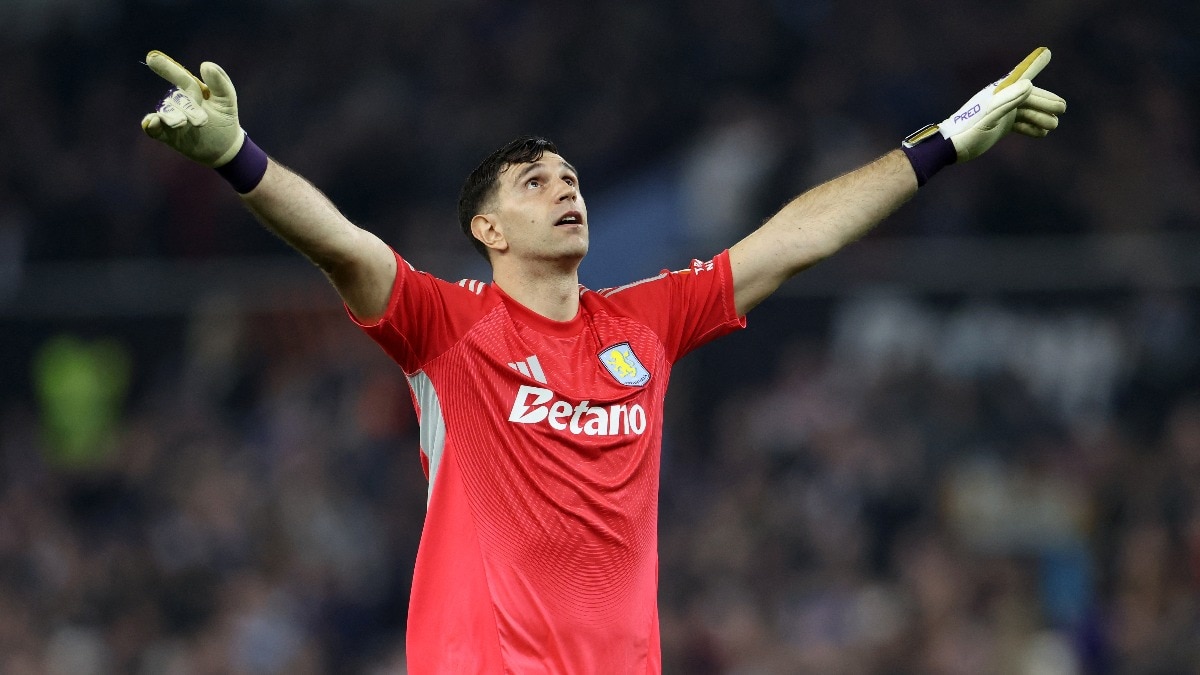
Chelsea sign World Cup winner Emiliano Martínez from Aston Villa
Chelsea sign Argentina World Cup-winning goalkeeper Emiliano Martínez from Aston Villa on a three-year contract, accordi...

Everton cancels proposed Armstrong transfer to Nottingham Forest after fan backlash
Everton cancel a proposed deal to sell midfielder Harrison Armstrong to Nottingham Forest, following backlash from the c...

Manchester City hold talks with Liverpool over Cody Gakpo as Tottenham interest fades
Manchester City are in talks with Liverpool over signing Netherlands winger Cody Gakpo, as multiple reports say the 27-y...