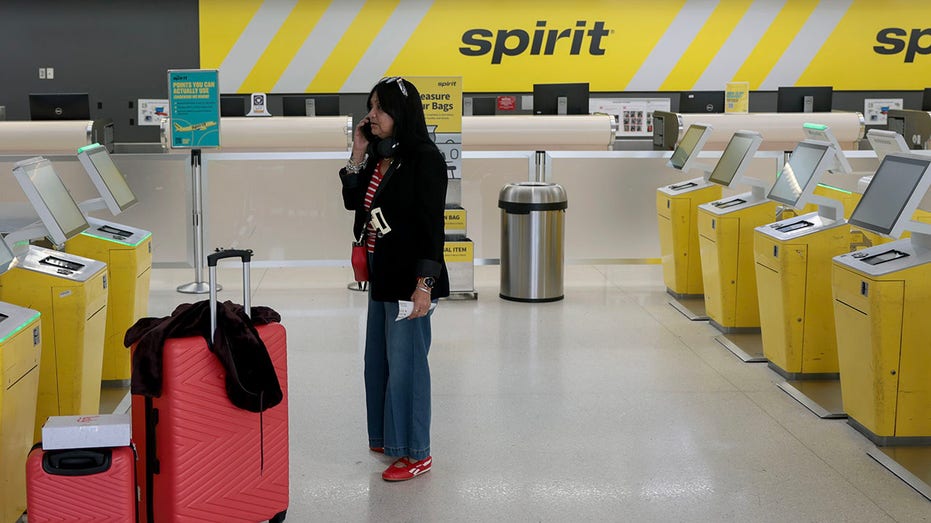
Spirit Airlines shuts down after years of financial struggles, ending the airline’s 34-year run. Multiple outlets report that the collapse follows failed efforts to secure federal help, with negotiations over a $500 million government aid package stalling after bondholders balked at proposed terms. The New York Times and other coverage describe Spirit as having endured repeated financial distress, culminating in its closure after a second bankruptcy in two years. Reports also highlight the depth of Spirit’s losses in recent filings and operating results, including claims that the airline spent far more than it brought in and could not plausibly be saved even under favorable assumptions.
For travelers, the shutdown creates immediate disruption, including rebooking challenges and uncertainty about alternative options. PBS and other accounts also note broader implications for the aviation industry. Analysts cited by multiple sources expect fare effects to vary by market: Spirit’s “low-cost, stripped-down” model historically contributed to lower prices, and its exit is widely viewed as removing a competitive check on fares. Some carriers are already adjusting by adding or shifting capacity into routes previously served by Spirit, but experts warn that the cheapest fares may become harder to find in some places, potentially raising costs.