


South African authorities are addressing growing challenges in tackling drug trafficking through the country’s seaports, according to findings referenced from the Madlanga Commission. The coverage points to an increase in complexity around recent drug seizures and indicates that effective interdiction relies heavily on the quality and availability of intelligence. Authorities and observers describe seaports as high-risk points where criminal networks can exploit weaknesses in border operations. The reports also highlight difficulties linked to border policing, including coordination and enforcement across relevant agencies and jurisdictions. While the specific details of the seizures are not provided in the available excerpts, the overall message is that persistent trafficking threats continue to test current systems. The articles present the Commission’s findings as evidence that existing approaches are not always sufficient and that improvements in intelligence gathering, information sharing, and policing at borders are needed to better identify and stop drug consignments moving through maritime channels. The focus is on operational challenges and the structural need for stronger intelligence-led enforcement rather than on any single incident.
Madlanga Commission highlights South Africa’s challenges fighting drug trafficking at seaports
South African authorities are addressing growing challenges in tackling drug trafficking through the country’s seaports, according to findings referenced from the Madlanga Commission. The coverage poi...

- The Madlanga Commission’s findings are cited as a basis for discussing drug trafficking challenges at South Africa’s seaports.
- South African authorities report increased complexity in recent drug seizures connected to maritime routes.
- The coverage links effective anti-trafficking efforts to stronger intelligence gathering and use.
- Border policing challenges are described as a factor affecting enforcement at seaports.
- The reports describe ongoing efforts to improve how authorities detect and disrupt drug consignments through sea entry points.
South African authorities are grappling with the challenges of drug trafficking through seaports, as highlighted by the Madlanga Commission's findings on recent drug seizures and the complexities of border policing.
2 months agoSouth African authorities confront the escalating challenges of drug trafficking at seaports, revealed by the Madlanga Commission's alarming findings on recent seizures and the intricate issues of border policing.
2 months ago
Casualty bosses say the drama was shaped as a response to Thatcher-era policy
"Casualty" creators Paul Unwin and Jeremy Brock say the medical drama was influenced by their view of the Conservative g...

Ex-Cambridge professor Jason Arday found dead after plagiarism allegations and resignation
Jason Arday, a former University of Cambridge professor, is found dead in south London days after he resigns from the un...
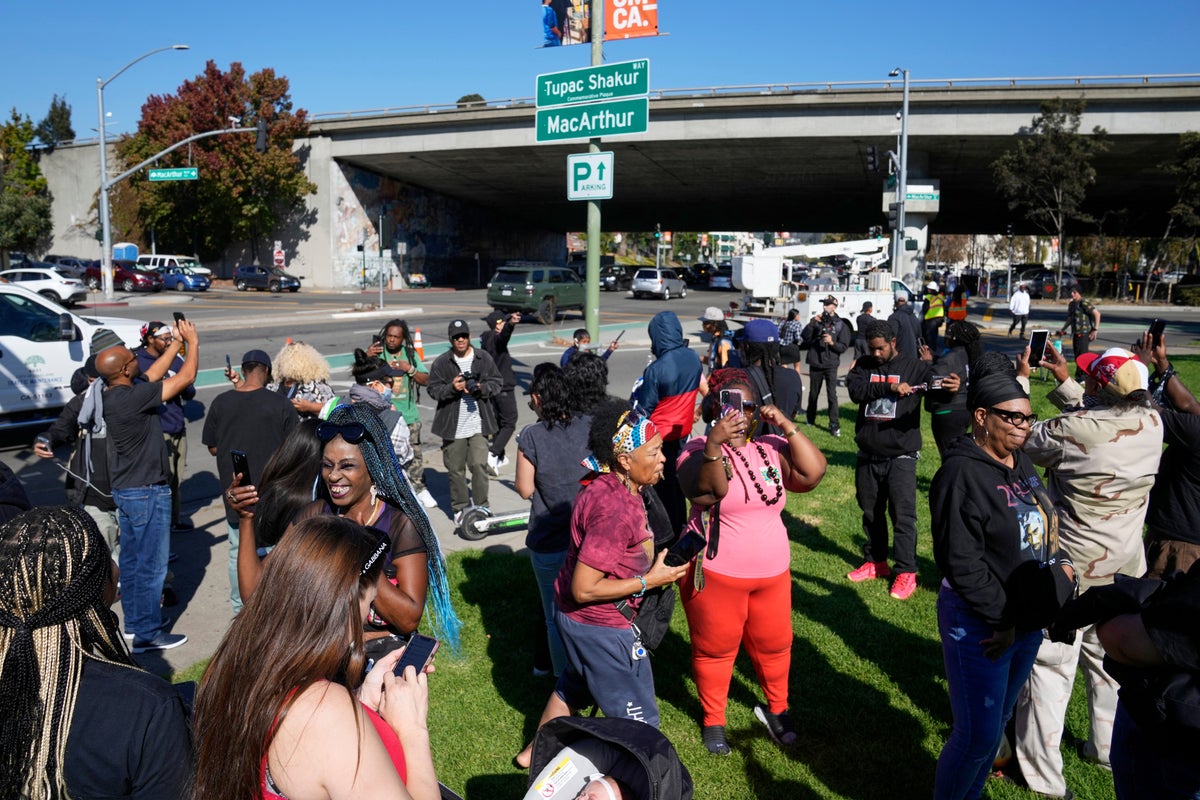
Fans hold vigil for Tupac Shakur as Duane “Keffe D” Davis murder trial nears end
In Las Vegas, fans pay public respect to Tupac Shakur as a murder trial involving Duane “Keffe D” Davis moves toward its...