


After 100 days of the Iran war, major central banks including the Federal Reserve and the Bank of England signal continued caution, with markets still lacking clarity on the conflict’s economic effects. Both outlets describe a common issue: central banks are weighing whether the war poses a more immediate risk to inflation or to economic growth, and that determination is expected to remain unsettled in the near term. The available reporting does not indicate a change in policy stance from either the Fed or the BOE, but instead emphasizes that decision-makers are monitoring developments as the conflict continues. In the absence of clear evidence on how the war is affecting prices, demand, shipping, or energy costs, policymakers are described as staying “guarded,” effectively waiting for more data before drawing conclusions that could influence interest-rate decisions. Over the coming week, the central question remains how the conflict’s risks translate into inflation dynamics versus broader growth implications, with no consensus presented across the sources on which channel will dominate.
Fed and BOE remain cautious as Iran war impact uncertain after 100 days
After 100 days of the Iran war, major central banks including the Federal Reserve and the Bank of England signal continued caution, with markets still lacking clarity on the conflict’s economic effect...
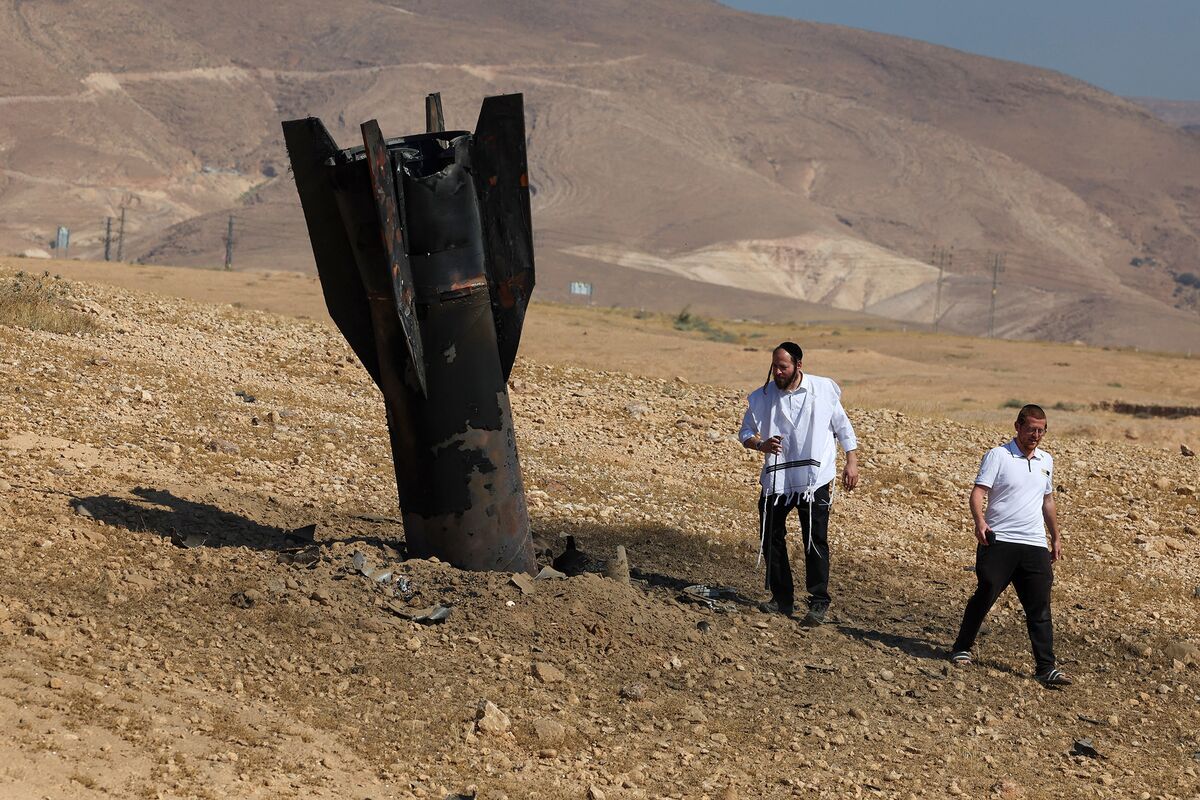
- The Iran war reaches 100 days.
- The Fed and the BOE take a guarded stance rather than signaling a clear policy shift.
- Central banks are assessing whether the war poses a bigger near-term risk to inflation or to growth.
- The likely economic impact is described as uncertain in the coming week.
- Both sources focus on ongoing monitoring and wait for clearer evidence.
For several global central banks, the question of whether the Iran war poses more of an immediate danger to inflation or to growth is likely to remain open in the coming week.
2 months agoFor several global central banks, the question of whether the Iran war poses more of an immediate danger to inflation or to growth is likely to remain open in the coming week.
2 months ago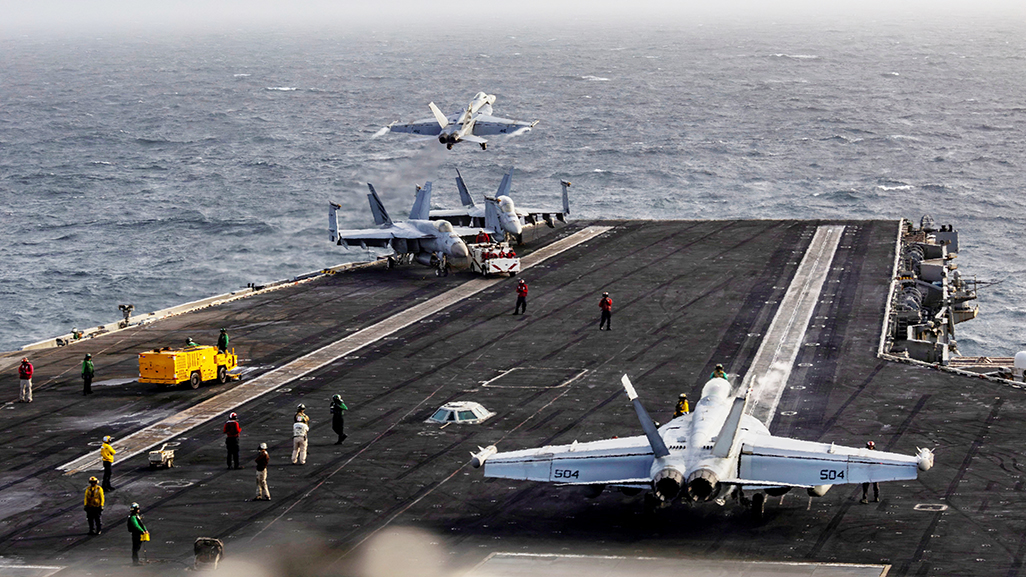
Navy sailor’s father detained by ICE amid legal status dispute, then later released
A U.S. Navy sailor serving on the aircraft carrier USS Abraham Lincoln says he learns his father was detained by federal...

IHCL to merge Oriental Hotels with all-stock share swap, boards approve scheme
Indian Hotels Company Ltd (IHCL) and Oriental Hotels Ltd (OHL) approve a merger under a Scheme of Arrangement, planned t...

Alimentation Couche-Tard launches about US$8.6–8.7 billion tender offer for Zabka
Alimentation Couche-Tard launches a tender offer to buy all shares of Polish convenience retailer Żabka (Zabka), in what...