


Multiple Australian outlets report that technology capable of reducing the risk of shark bites already exists, but greater implementation is required. Coverage highlights a range of deterrent and monitoring approaches discussed by researchers and safety advocates, including shark-detection drones, “smart” drumlines used to capture or deter sharks during peak beach use, and personal or wearable devices designed to discourage sharks near swimmers and surfers. The articles emphasize that these tools can complement traditional public-safety measures such as beach patrols, shark observation programs, and warning systems. While the technologies vary in method and scope, they are presented as part of a broader effort to improve safety in shark-prone areas. The sources converge on the point that having the capability is not the same as ensuring it is used consistently and at sufficient scale. The reporting calls attention to the need for coordinated adoption, operational planning, and resources to move from trials or limited use toward broader coverage where people are in the water.
Reported tools to deter shark attacks exist, but experts say wider deployment is needed
Multiple Australian outlets report that technology capable of reducing the risk of shark bites already exists, but greater implementation is required. Coverage highlights a range of deterrent and moni...
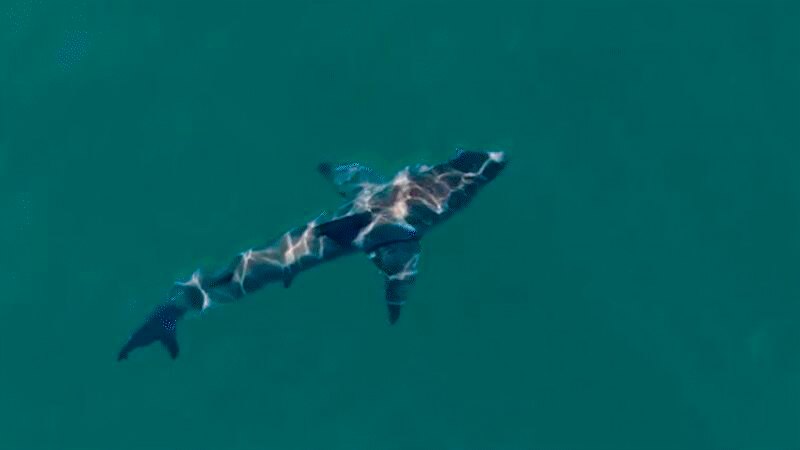
- Outlets agree that technologies to deter or reduce shark-bite risk are available.
- Reported options include drones for shark detection.
- “Smart” drumlines are cited as a method to capture or deter sharks during beach periods.
- Personal devices that deter sharks near individuals are mentioned as another option.
- Sources state that wider deployment and consistent use are still needed.
From drones, to smart drumlines and personal devices that deter attacks, we have better ways to keep swimmers and surfers safer, but we need to deploy them.
3 months agoFrom drones, to smart drumlines and personal devices that deter attacks, we have better ways to keep swimmers and surfers safer, but we need to deploy them.
3 months agoFrom drones, to smart drumlines and personal devices that deter attacks, we have better ways to keep swimmers and surfers safer, but we need to deploy them.
3 months ago
Australia’s High Court rules against coal mine expansion in Hunter Valley climate case
Australia’s High Court rules in favour of a Hunter Valley community group, rejecting MACH Energy’s proposed expansion of...

US FAA moves to streamline rules for commercial space launches
The US Federal Aviation Administration (FAA) is working to streamline its rules for commercial space launches, aiming to...

Scientists say ancient crocodile fossils may be embedded in Sphinx stone
Scientists report evidence that some of the stone used in Egypt’s Great Sphinx of Giza may contain fossil remains of anc...