A powerful 7.8-magnitude earthquake in southern Mindanao, Philippines, is reported to have raised the seabed by up to two metres, exposing coral and contributing to marine harm. Multiple outlets cite the Philippines’ environment department as saying the uplift is linked to a geological phenomenon locally described as “coastal uplift.” Residents report that the effects were first noticed about two days after the quake, when some shorelines extended by as much as 200 metres in certain areas.
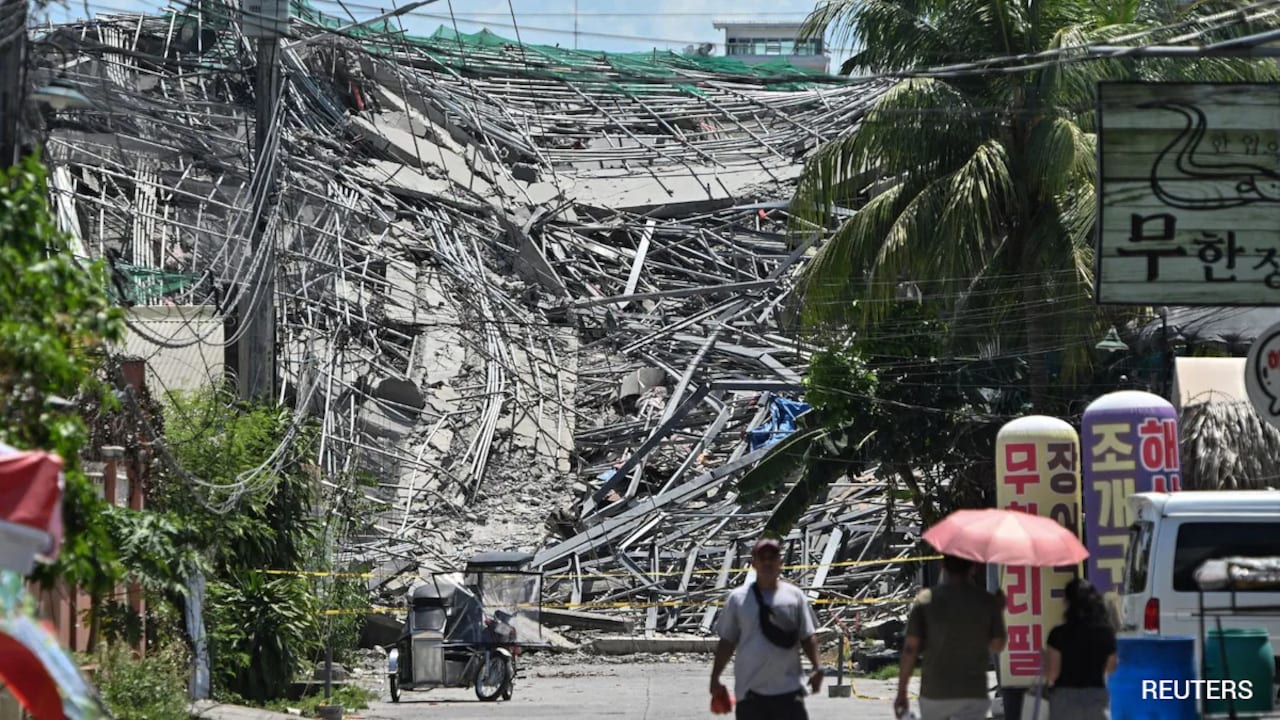
The same earthquake, which occurred on Monday, is reported to have caused significant casualties and missing persons. Several sources state that at least 61 people have died and that at least 40 others are still missing, based on updated tolls from the disaster agency.
Environmental reporting across the outlets focuses on the exposure of seabed and reef areas and the resulting impacts on marine life, with mention of coral exposure and marine die-off. Overall, the accounts converge on the scale and timing of the seabed uplift, the shoreline changes observed by residents, and the confirmed death and missing-person figures from government assessments.