
Nigeria’s food industry is facing worsening pressure as higher operating costs and a foreign-exchange (forex) crisis lead companies to reduce staff and adjust products. Multiple accounts link the strain to the sector’s reliance on imported raw materials, arguing that exchange-rate changes are increasing the cost of inputs and squeezing margins. The situation is also reflected in consumer behavior: some food products are increasingly sold in smaller package sizes as buyers’ purchasing power declines. As costs rise, firms are reportedly cutting jobs, with layoffs described as becoming widespread within the sector. The reports frame the developments as a direct consequence of the forex environment and broader cost increases, which affect procurement and production. While the exact number of layoffs is not detailed in the provided excerpts, the overall picture is that businesses are scaling back operations and workforce levels, and marketing/packaging strategies are shifting to align with reduced consumer affordability.
Rising costs and forex pressures drive mass layoffs in Nigeria’s food industry
Nigeria’s food industry is facing worsening pressure as higher operating costs and a foreign-exchange (forex) crisis lead companies to reduce staff and adjust products. Multiple accounts link the stra...
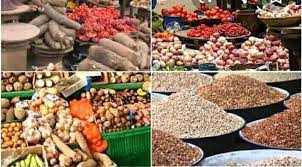
- Food companies in Nigeria rely heavily on imported raw materials.
- Forex and exchange-rate pressures increase the cost of production inputs.
- Rising operating costs contribute to mass layoffs across the food sector.
- Some food brands respond by offering smaller package sizes as purchasing power declines.
- Consumer purchasing power is described as being eroded, affecting demand and company strategies.
"Smaller package sizes remain the preferred choice for many consumers whose purchasing power has been severely eroded" The post Food industry on brink as rising costs, forex crisis trigger mass layoffs appeared first on Vanguard News.
4 hours agoAccording to him: “Most of our companies in the sector depend on imported raw materials. If you narrow it down to exchange rates, it is biting harder, and that is understandable. The post Food industry on brink as rising costs, forex crisis trigger mass layoffs appeared first on Vanguard News.
17 hours ago
Gabelli Funds publish Q1 2026 commentaries across multiple strategies
Several Gabelli mutual funds issue Q1 2026 commentary updates, covering different strategies and investment areas. The r...

Indian rupee hits record lows on US-Iran tensions, oil prices; rebounds after ceasefire signals
The Indian rupee weakens to record lows against the US dollar amid heightened US-Iran tensions, which also lift crude oi...

Iran peace deal does not affect BOJ rate-hike plans, says former central banker
A former central bank economist says an Iran peace agreement is unlikely to change Japan’s monetary policy path, includi...