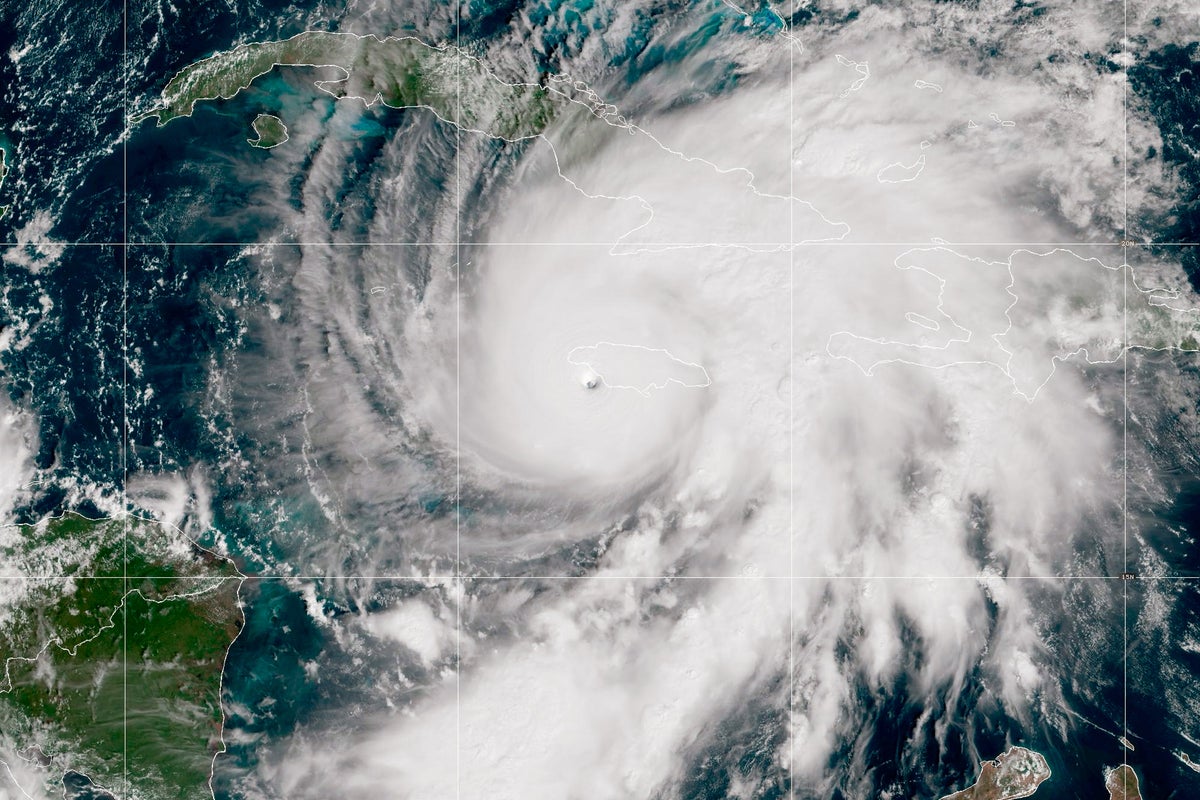
Multiple reports focus on how artificial intelligence is being used to speed up hurricane forecasting while acknowledging ongoing limits. One account explains that traditional hurricane analysis by human forecasters can take several hours to reach a conclusion, especially for interpreting complex weather signals. It describes Google DeepMind’s approach as producing forecasts significantly faster—reportedly up to about eight times quicker than the human process—by using machine-learning systems trained to interpret atmospheric patterns.
At the same time, the coverage emphasizes that faster calculations do not automatically translate into fully reliable guidance. AI systems still depend on the quality and scope of available data, and they can face uncertainty when conditions change rapidly or when forecasts extend beyond what the models have learned. The reporting also highlights that AI is intended to support, not replace, existing expertise and operational decision-making. Overall, the story centers on the potential for quicker situational awareness that can help preparedness efforts, alongside the need for validation, integration with established forecasting workflows, and careful interpretation of AI-generated outputs.