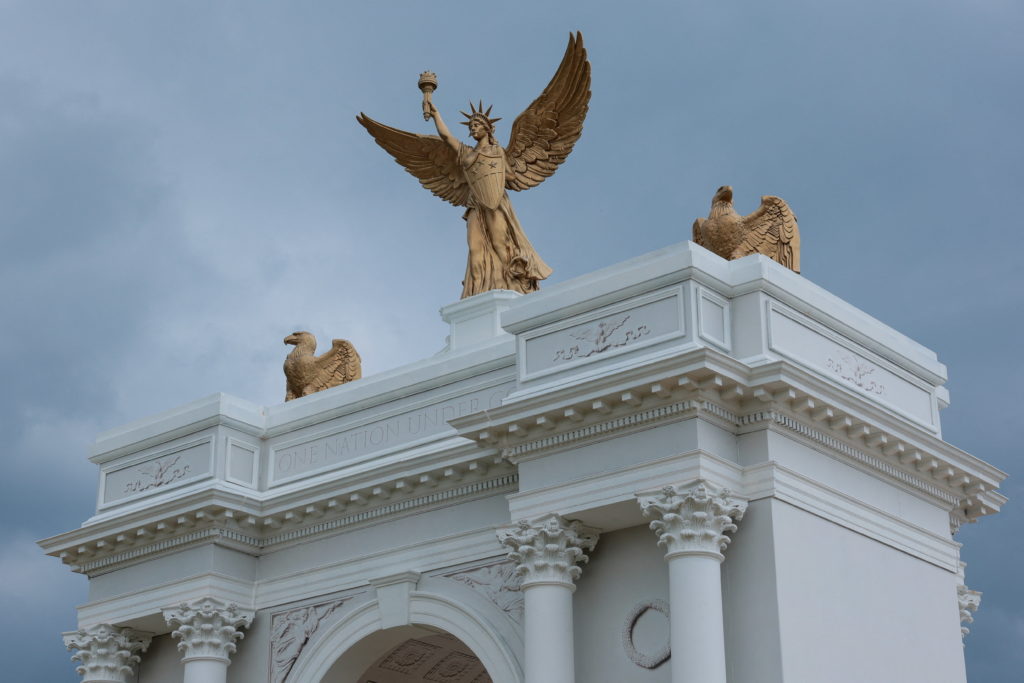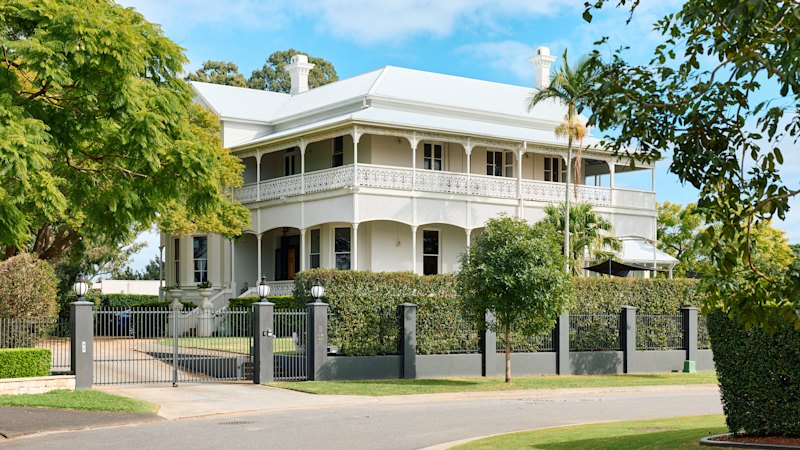
Multiple outlets describe how a previously overlooked riverside area has changed markedly over time, replacing older industrial sites and waste facilities with cultural and recreational uses. The reporting notes that former dumps have been redeveloped into parks, while former factory buildings have been converted into arts centres. It also highlights a shift in housing, saying that large riverfront homes have been replaced by even larger properties, reflecting rising affluence in the area.
While the articles focus on the visible upgrades and benefits associated with redevelopment—such as new public green space and arts venues—they also point to downsides tied to that change. The tone of the pieces indicates there are costs alongside the transformation, but they do not present a single uniform explanation beyond the broader theme of how redevelopment and growing wealth reshape the neighbourhood.
Across the sources, the shared story is the same: the suburb’s landscape and land uses have evolved from waste and industry to lifestyle amenities and high-end development, altering the character of the riverside community.