


Grain futures in Chicago decline as markets weigh a potential reopening of the Strait of Hormuz, which could improve shipping access for commodities and farm inputs. Multiple outlets report that easing transport constraints would reduce the risk of input shortages and price spikes affecting agricultural production. The move lower in futures is framed as a response to expectations that better access to vital crop inputs would help alleviate threats to food inflation linked to the ongoing war. The reports characterize the Strait of Hormuz as important for global trade routes, so changes in maritime conditions can influence the cost and availability of supplies used in farming. While the reports focus on the potential for improved conditions rather than confirming any immediate change, they consistently describe falling grain prices in reaction to the prospect of fewer logistics-related shocks. Overall, the articles present the same market interpretation: improved access through Hormuz would likely soften pressure on agricultural input costs, tempering inflation concerns tied to the conflict’s broader effects.
Grain Futures Fall as Potential Strait of Hormuz Reopening Seen Easing Farm Input Disruptions
Grain futures in Chicago decline as markets weigh a potential reopening of the Strait of Hormuz, which could improve shipping access for commodities and farm inputs. Multiple outlets report that easin...
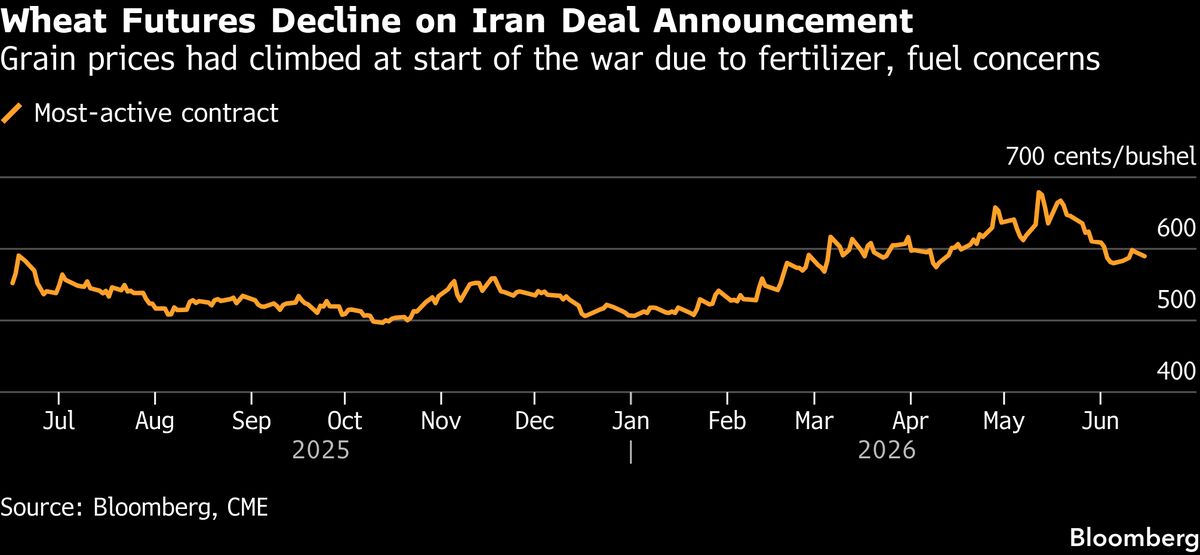
- Grain futures in Chicago fall, according to both outlets.
- Both reports link the decline to expectations about a potential reopening of the Strait of Hormuz.
- Improved access through Hormuz is expected to reduce disruptions to vital farm inputs.
- The potential easing of input shocks is presented as a factor that could curb food-inflation risks tied to the war.
- Both accounts describe the reopening as a possibility affecting markets rather than a confirmed event.
Grain futures declined in Chicago as a potential reopening of the Strait of Hormuz could improve access to vital crop inputs, helping to ease the threats to food inflation brought on by the months-long war.
2 months agoGrain futures declined in Chicago as a potential reopening of the Strait of Hormuz could improve access to vital crop inputs, helping to ease the threats to food inflation brought on by the months-long war.
2 months ago
FTSE Russell reclassifies Nigeria as a Frontier Market effective September 21, 2026
FTSE Russell reclassifies Nigeria’s equities market from “unclassified” to “Frontier Market,” with the change taking eff...

Kevin Warsh says inflation isn’t slowing and pledges to restore the Fed’s 2% target
Federal Reserve policy official Kevin Warsh says inflation is not meaningfully slowing and warns that the central bank m...

Celine Dion Returns to Paris for 16 Concerts After Stiff Person Syndrome Diagnosis
Celine Dion makes a rare public appearance in Paris as she arrives outside a hotel and reunites with fans ahead of her s...