


Fears that the Strait of Hormuz could be disrupted are prompting companies and logistics networks across the Middle East to adjust trade routes and contingency planning, according to reporting that describes planning efforts underway before any actual shutdown. In one example, Siemens Energy AG sends staff to assess alternate overland routes within Saudi Arabia. The company reportedly arranged for a person to drive from the Red Sea port of Jeddah across the Arabian peninsula to Dammam, an industrial hub, to study an alternative pathway if Hormuz becomes unavailable. The reassessment is described in the context of heightened regional risk following a conflict between the United States, Israel, and Iran about a year earlier. While the reporting focuses on preparedness rather than an active interruption, it indicates that the potential closure of Hormuz is driving “rewiring” of movement for goods and services, including consideration of routes that reduce reliance on the strait for regional supply chains. Overall, sources describe trade planning that shifts toward backup corridors to maintain delivery timelines under possible maritime disruptions.
Hormuz closure fears spur trade route shifts across Middle East
Fears that the Strait of Hormuz could be disrupted are prompting companies and logistics networks across the Middle East to adjust trade routes and contingency planning, according to reporting that de...
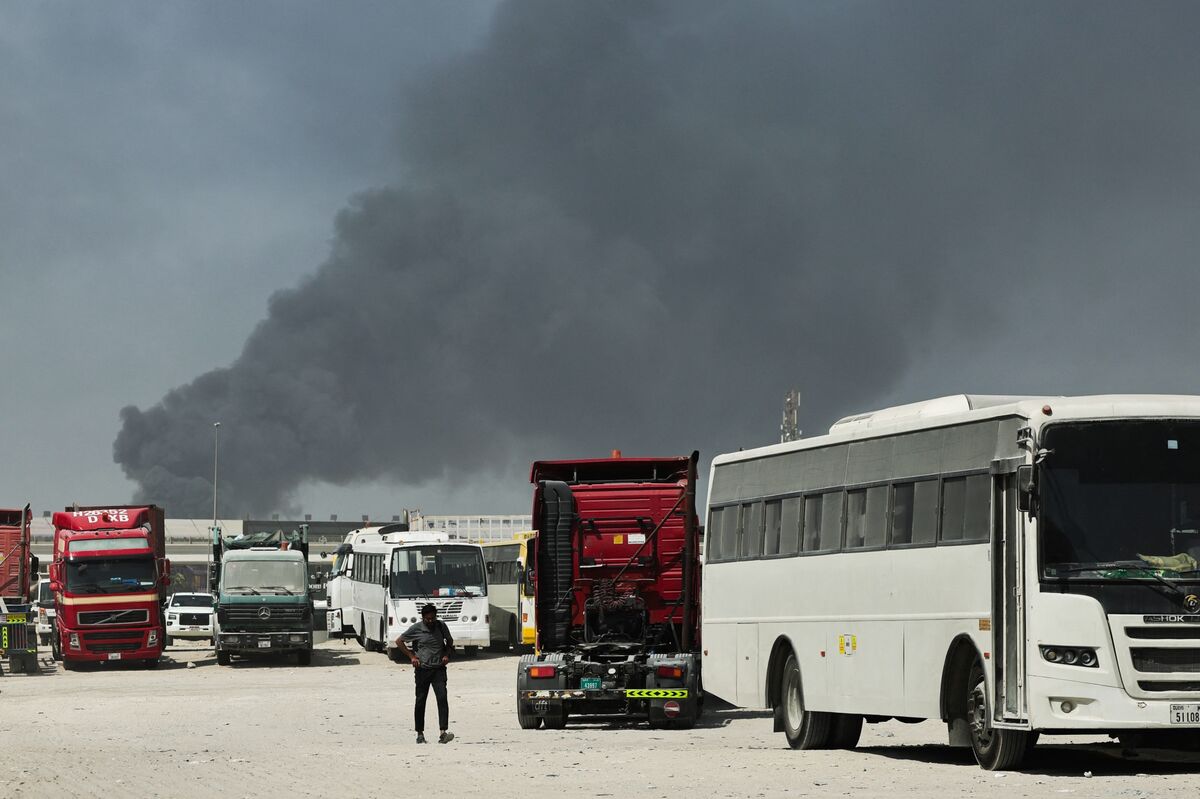
- Firms in the Middle East are reassessing logistics due to potential disruption of the Strait of Hormuz.
- Siemens Energy AG reportedly evaluates an alternative overland route within Saudi Arabia.
- One described route runs from Jeddah on the Red Sea to Dammam, an industrial hub.
- The planning is linked to heightened regional security risk after a conflict involving the US, Israel and Iran about a year earlier.
- No actual Strait of Hormuz shutdown is reported in the cited accounts; coverage focuses on contingency planning.
In the wake of the 12-day US-Israel and Iran war a year ago, Siemens Energy AG sent a person driving from Saudi Arabia’s Red Sea port of Jeddah across the Arabian peninsula to the industrial hub of Dammam to study an alternative route in case the crucial Strait of Hormuz was shut down.
2 months agoIn the wake of the 12-day US-Israel and Iran war a year ago, Siemens Energy AG sent a person driving from Saudi Arabia’s Red Sea port of Jeddah across the Arabian peninsula to the industrial hub of Dammam to study an alternative route in case the crucial Strait of Hormuz was shut down.
2 months ago
Arsenal take on depleted Aston Villa as Tottenham look for return from £300m signings
Arsenal play Aston Villa at Villa Park looking to extend pressure on a depleted Villa squad. Multiple outlets describe V...

Phil Gore completes week-long nonstop running challenge after 168-hour bid
Phil Gore runs non-stop as part of “Project 168,” attempting to cover a 6.7-kilometre loop at the Armadale Soccer Club o...

Dangote Refinery cuts petrol gantry price, triggering depot and some pump price changes
Dangote Refinery announces a reduction in its ex-gantry price for Premium Motor Spirit (petrol), cutting the cost per li...