


Asia’s oil-dependent countries react quickly to the US-Iran agreement, viewing it as a step toward reopening the Strait of Hormuz, a critical shipping route for much of the region’s energy supplies. Multiple reports highlight that the deal is expected to ease immediate shipping and supply concerns tied to the strait, which carries a large share of global oil flows. At the same time, outlets note that countries and market participants express caution about relying on the agreement for sustained relief. The warning is that the near-term improvement may not automatically translate into long-term stability in oil markets or dependable energy costs for fast-growing regional economies. The overall assessment is that while the agreement reduces risk associated with a key chokepoint, uncertainty remains about how consistently the corridor will operate and whether broader conditions will support lasting benefits. In this context, Asia’s welcome is described as conditional rather than definitive, reflecting both the importance of the strait and lingering concerns about duration and follow-through.
Asia oil-dependent economies cautiously welcome US-Iran deal to reopen Strait of Hormuz
Asia’s oil-dependent countries react quickly to the US-Iran agreement, viewing it as a step toward reopening the Strait of Hormuz, a critical shipping route for much of the region’s energy supplies. M...
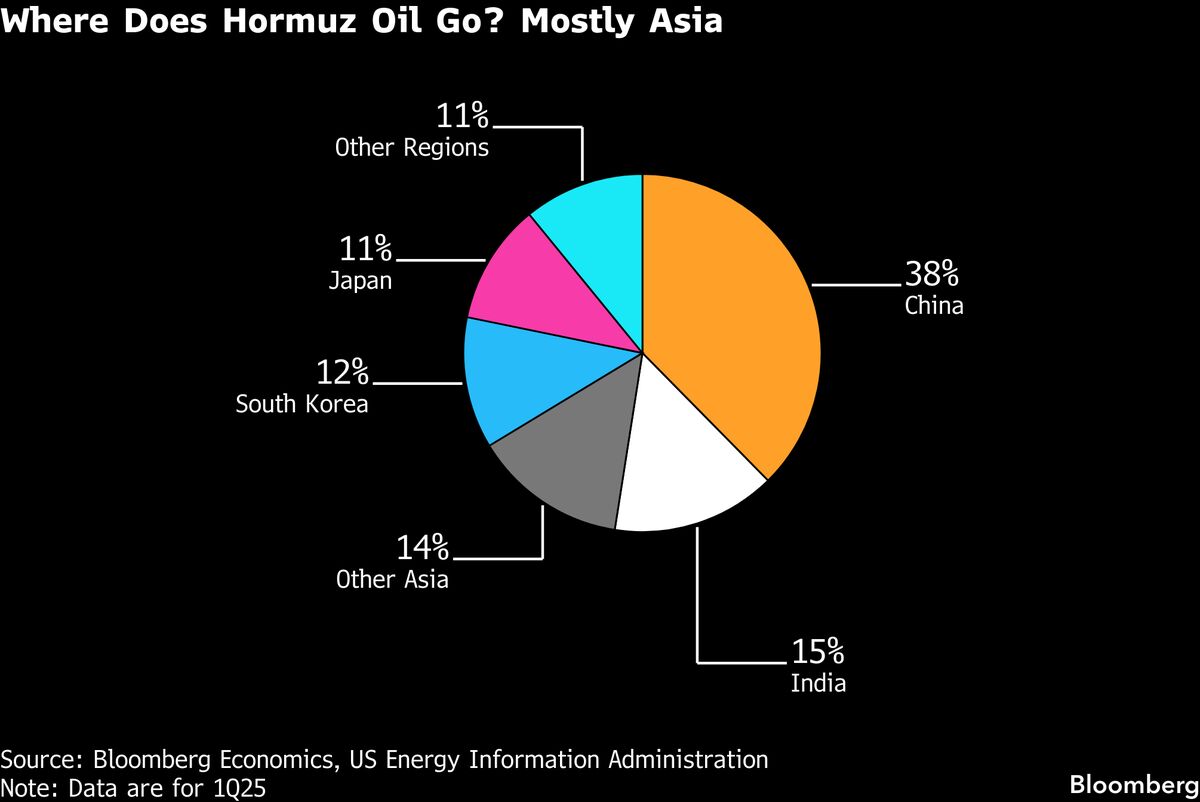
- The US-Iran deal is expected to reopen the Strait of Hormuz.
- The Strait of Hormuz is described as a major route for the region’s energy supplies.
- Asia’s oil-dependent economies respond quickly to the prospect of reduced disruption.
- Some observers say it is too early to judge long-term relief for the region.
- Reports emphasize ongoing uncertainty despite the agreement.
Asia was quick to welcome the US-Iran deal to reopen the Strait of Hormuz, through which most of the region’s energy supplies flow. But many warned it’s too early to say if that will offer long-term relief to the world’s most populous and fastest-growing region.
2 months agoAsia was quick to welcome the US-Iran deal to reopen the Strait of Hormuz, through which most of the region’s energy supplies flow. But many warned it’s too early to say if that will offer long-term relief to the world’s most populous and fastest-growing region.
2 months ago
Brooklyn Beckham posts intimate photo with wife Nicola Peltz during European holiday
Brooklyn Beckham shares an intimate photo with his wife, Nicola Peltz, while the couple appears to be on a luxury Europe...

BIS chief says stablecoins lack credibility for payments at scale
The head of the Bank for International Settlements (BIS) says stablecoins are not a credible payment method at scale. BI...
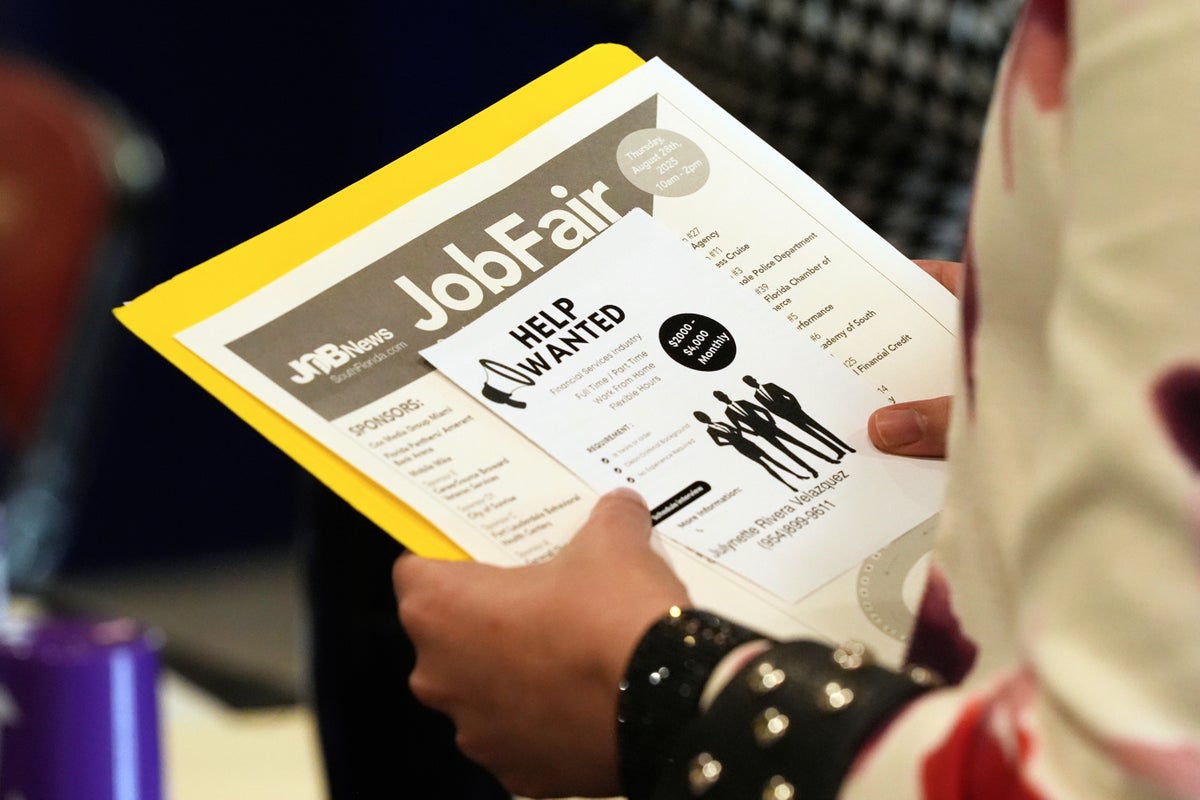
Wall Street looks ahead to monthly U.S. jobs report
Wall Street heads into the week with investors focused on upcoming data on the U.S. labor market, especially the monthly...