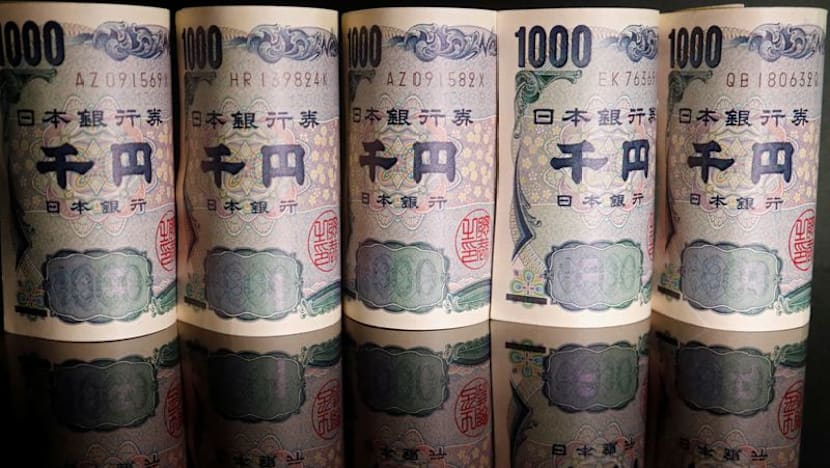
Multiple outlets publish analysis on how a potential Iran peace deal is unlikely to substantially reverse the yen’s recent weakness. The core argument across sources is that yen moves depend less on any single geopolitical headline and more on broader drivers such as interest-rate expectations, global risk sentiment, and shifts in currency flows. Even if an Iran agreement reduces one source of geopolitical tension, analysts expect its impact on safe-haven demand for the yen to be limited or temporary if other factors continue to dominate.
The articles also frame the “brink” language as a reference to fragility in the currency market rather than an immediate, automatic reversal tied to the deal. They emphasize that investors’ hedging behaviour and expectations for Japan’s monetary policy, alongside moves in US rates and the strength of the dollar, can outweigh incremental improvements in Middle East risk. Overall, the analyses conclude that while a peace deal could ease volatility, it does not necessarily translate into a sustained strengthening of the yen without broader supportive conditions in interest rates and global market positioning.