


Multiple outlets describe how Iran’s influence and associated risks in and around the Strait of Hormuz affect global commerce and economic conditions. The articles frame the impact through “numbers” that highlight changes in shipping vulnerability and downstream effects on prices and supply chains. The Strait of Hormuz is presented as a critical chokepoint for international oil and other trade flows, meaning disruptions or heightened tensions can alter transportation costs, insurance costs, and energy market expectations. The reporting indicates that investors and markets respond quickly to developments that could threaten throughput, which can contribute to volatility in oil-related pricing and broader inflation pressures. While the sources focus on different aspects of the economic knock-on effects, they converge on the same central point: actions or threats connected to Iran’s posture around the Strait can influence global trade reliability and energy costs, with effects felt across countries that depend on steady shipping and oil supply. The articles summarize these consequences using economic and logistics indicators rather than policy arguments, emphasizing the link between chokepoint risk and market outcomes.
Numbers illustrate global economic impact of Iran’s actions around the Strait of Hormuz
Multiple outlets describe how Iran’s influence and associated risks in and around the Strait of Hormuz affect global commerce and economic conditions. The articles frame the impact through “numbers” t...
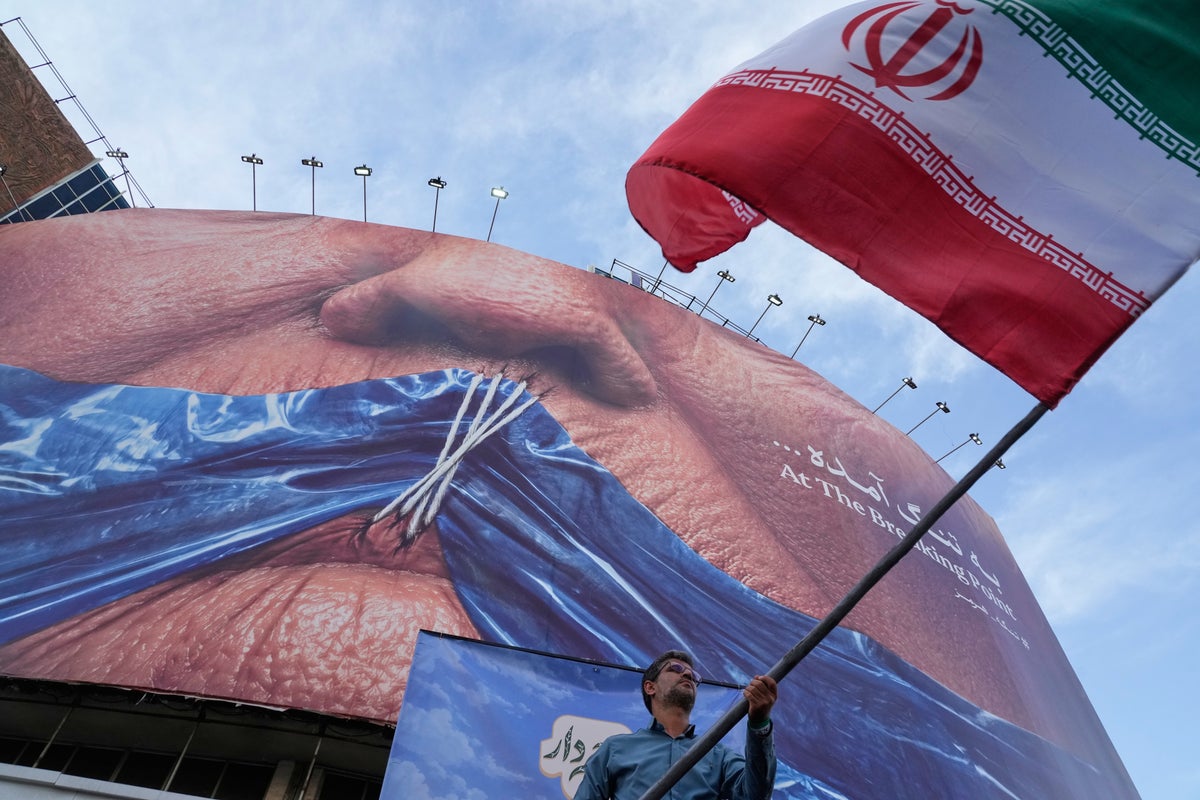
- The Strait of Hormuz is a major global chokepoint for energy and trade flows.
- Iran’s actions or posture around the Strait are described as increasing disruption risk.
- Economic effects are presented through quantitative indicators and market responses.
- Shipping and energy logistics costs and volatility are linked to heightened tensions.
- Global impacts extend to countries relying on steady oil and maritime transport.
Iran’s grip on the Strait of Hormuz has jolted the world economy
3 months ago
Liquefied petroleum gas tanker pays record fare for priority Panama Canal transit
A liquefied petroleum gas (LPG) tanker pays a record transit fee for priority passage through the Panama Canal, accordin...
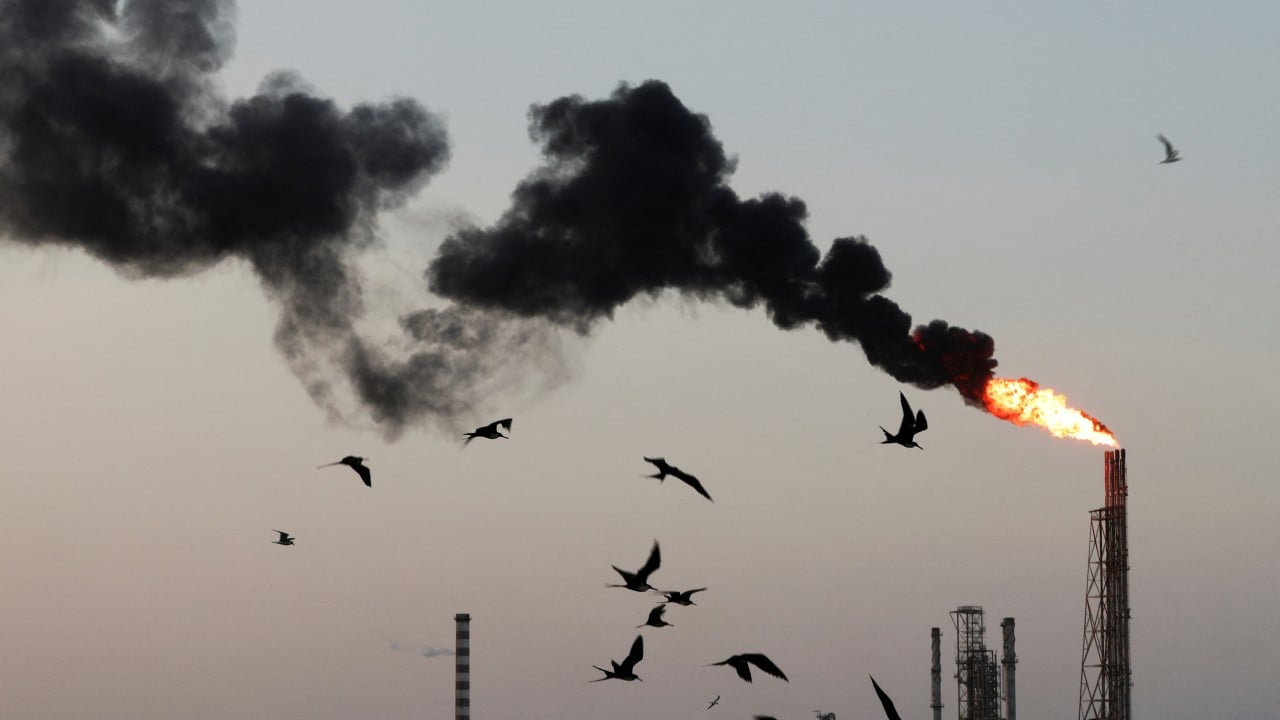
Trump announces U.S. agreement for majority control of Venezuela’s 65 billion barrels of oil reserves
President Donald Trump says the United States has entered an agreement with Venezuela that would give the U.S. majority...

Two police officers named after fatal A66 crash near Middlesbrough
Two police officers, PCs Matthew Blades, 37, and Tom Clough, 38, are killed in a crash on the A66 near Middlesbrough. Th...