


Countries have agreed to protect 30% of the ocean by 2030, a target often referred to as the “30x30” goal. The ocean supports major biodiversity, from coastal ecosystems such as coral reefs and mangrove forests to deep-sea habitats, and it provides services that affect climate regulation and global food security. While the goal is focused on expanding marine protected areas, reporting based only on how much of the ocean is designated can miss differences in how well protections work on the ground. One challenge highlighted across coverage is that a portion of protected areas may be “protected on paper” rather than backed by strong enforcement or management. Estimates cited in these accounts indicate that about 10% of the ocean is currently under formal protection as countries work toward the 2030 target, but progress toward effective protection depends on improving quality, not just area. As a result, policymakers and researchers emphasize evaluating marine protection using measures such as management strength, conservation outcomes, and enforcement capacity.
Countries aim to protect 30% of ocean by 2030, but effectiveness varies beyond area
Countries have agreed to protect 30% of the ocean by 2030, a target often referred to as the “30x30” goal. The ocean supports major biodiversity, from coastal ecosystems such as coral reefs and mangro...
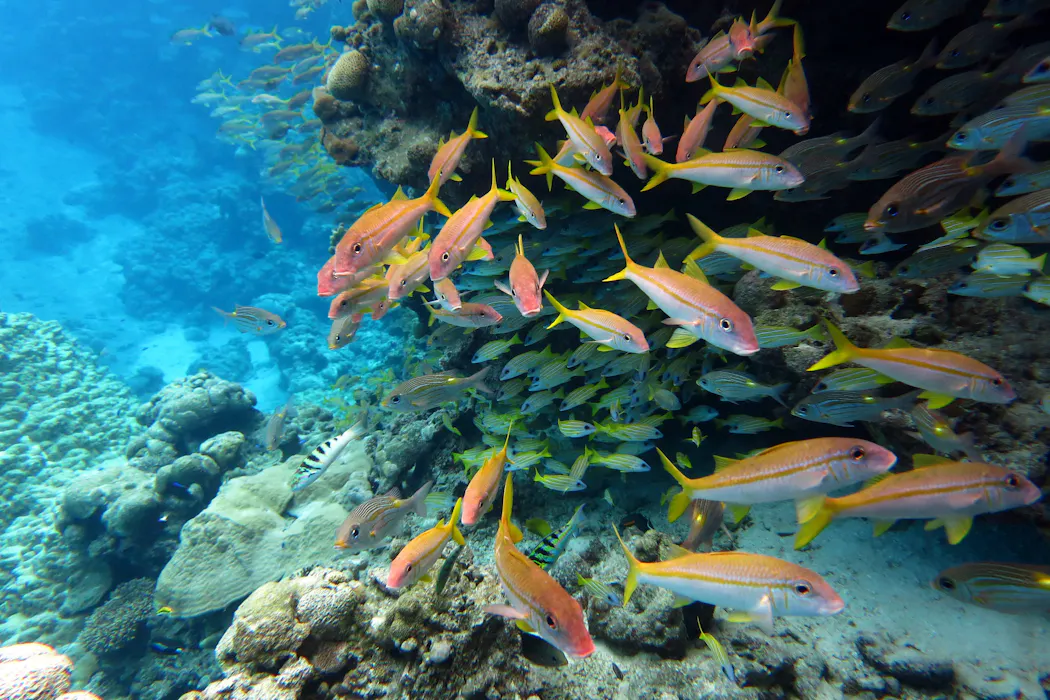
- Countries have agreed on a goal to protect 30% of the ocean by 2030 (30x30).
- Around 10% of the ocean has formal protection so far, according to the accounts cited.
- Marine protection is not evaluated reliably by protected area alone.
- Some protected areas may be designated but lack effective enforcement or management.
- The ocean’s protected ecosystems are linked to biodiversity, climate regulation, and food security.
The ocean is home to some of the richest biodiversity on Earth. From coral reefs and mangrove forests to the deep sea, marine ecosystems sustain countless species, support coastal communities, regulate the climate and underpin global food security.
2 months agoSo far, about 10% of the ocean has formal protection as countries work toward the 30x30 goal, but many areas are still protected on paper only.
2 months ago
Bosai and Guyana Manganese donate 6MW of generators to GPL for Linden and Region 10
Bosai Minerals Group Guyana Inc. and Guyana Manganese Inc. donate six 1-megawatt generator sets—totaling 6 MW of generat...

Haitian gang releases women and children after mass kidnapping and deadly community attack
A violent gang in Haiti releases women and children after kidnapping more than 50 people and carrying out a deadly attac...
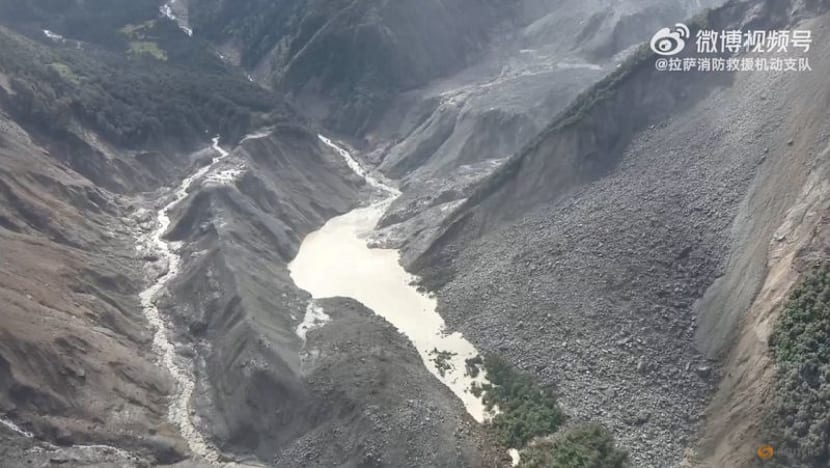
Risk of lake burst near China–Nepal border disaster site eases, officials say
Authorities say the risk of a lake burst near the China–Nepal border disaster site is decreasing. Chinese state broadcas...