


Nearly 50 years after the Soweto Uprising, a single photograph of Hector Pieterson continues to be widely cited as the defining image of the events surrounding the protests. Across reflections on its legacy, the image is described as a pivotal visual record that brings the violence of the apartheid era into clearer human focus. The photo is often presented as the moment that helped shift international attention toward the reality of the crackdown, with its subject and expression portrayed as symbolising the suffering faced by children during the unrest. Rather than being limited to its immediate historical context, the picture is characterised as enduring in public memory and ongoing historical discussion, repeatedly used to illustrate what occurred in Soweto and why it mattered globally. While the accounts emphasise the photograph’s lasting impact on how the uprising is remembered, they do not dispute its central role as a widely recognised image from the period.
50 Years On, Hector Pieterson Photo Still Defines View of Soweto Uprising
Nearly 50 years after the Soweto Uprising, a single photograph of Hector Pieterson continues to be widely cited as the defining image of the events surrounding the protests. Across reflections on its...

- A photograph of Hector Pieterson remains a widely cited record of the Soweto Uprising.
- The image is described as capturing a moment that reflects the brutality of apartheid-era violence.
- The photo is credited with helping draw international attention to events in Soweto.
- The photograph continues to be referenced about five decades later as part of public memory and historical discussion.
Fifty years on, one photograph remains the definitive record of the Soweto Uprising, capturing the moment that humanised the brutality of Apartheid.
2 months ago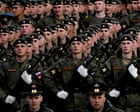
West says Russia loses about 6,000 more troops monthly than it can recruit in Ukraine
Western officials say Russia is losing roughly 6,000 more troops in Ukraine each month than it can recruit to replace th...

Lakers pivot after missing out on Jonathan Kuminga to the Timberwolves
The Los Angeles Lakers fail to land forward Jonathan Kuminga after a two-month pursuit, as he agrees to a two-year contr...

TCL QM7L and QM64L mini-LED TVs see steep discounts at Amazon and Best Buy
Amazon and Best Buy are running sales on TCL mini-LED 4K TVs, with discounts reported across multiple screen sizes. The...