


The Bank of Japan raises its short-term policy rate by 0.25 percentage points to 1.0%, its highest level since 1995, in a bid to contain inflation pressures linked to the Iran war. In its decision, the central bank signals concern that higher oil-related costs are being passed through to prices and warns that this transfer is happening at a relatively fast pace. Several reports describe the move as widely expected, following other central bank tightening actions abroad. The European Central Bank and Bank Indonesia are reported to have increased borrowing costs earlier, and expectations are that the US Federal Reserve and the Bank of England may hold rates rather than hike immediately. Some coverage also notes that the US and Iran reach a peace deal over the weekend, including steps aimed at reopening the Strait of Hormuz, though the BoJ’s action still reflects broader worries about inflation from the conflict and global energy costs. Overall, the decision aligns with a cautious effort by Japan’s central bank to bring inflation dynamics under control while other major central banks face their own timing questions.
Bank of Japan raises rates to 31-year high amid Iran war inflation concerns
The Bank of Japan raises its short-term policy rate by 0.25 percentage points to 1.0%, its highest level since 1995, in a bid to contain inflation pressures linked to the Iran war. In its decision, th...
- The Bank of Japan increases its short-term policy rate by 0.25 percentage points to 1.0%.
- The new level is the highest since 1995 and represents the first increase since December, according to reports.
- The BoJ cites inflation pressures linked to the Iran war, including fast pass-through of higher oil costs.
- Other central banks have tightened recently, including the European Central Bank and Bank Indonesia.
- The Federal Reserve and the Bank of England are widely expected to hold rates for now, based on the coverage.
Bank of Japan raised interest rates to a 31-year high
2 months agoCountry follows ECB in increasing borrowing costs, but US Fed and Bank of England expected to hold ratesBusiness live – latest updatesThe Bank of Japan (BoJ) has raised interest rates to a 31-year high, as it tried to dampen inflationary pressures created by the Iran war.Policymakers in Tokyo raised the BoJ’s short-term policy rate by a quarter of one percentage point, to 1% from 0.75%, and warned that companies were passing on rising oil costs to each other at a “relatively fast pace”. Continue reading...
2 months agoThe Bank of Japan hiked interest rates to a 31-year high Tuesday as it battles inflation caused by the Middle East war, even after Washington and Tehran agreed…
2 months agoBank of Japan raises rates to 1% for first time since 1995 Financial TimesJapan raises interest rate to highest since 1995 BBCBank of Japan raises interest rates to 31-year high amid Iran war inflation pressures The GuardianJapan Raises Rates to 31-Year High to Ward Off War Inflation The New York TimesDollar at 10-day lows, no respite for yen after BOJ hikes as expected Reuters
2 months agoTOKYO — The Bank of Japan hiked interest rates to a 31-year high Tuesday as it battles inflation caused by the Middle East war, even after Washington and Tehran agreed a peace deal. The central bank for the world's fourth-largest economy raised its benchmark rate 25 basis points to 1.0 percent, the highest since 1995 and marking the first increase since December. The widely expected decision followed rate increases by the European Central Bank and Bank Indonesia last week after the conflict caused economic havoc and rising prices worldwide. With US inflation at a three-year high, expectations are growing that the Federal Reserve will follow suit, albeit not at new boss Kevin Warsh's first rate-setting gathering this week. Officials at the Reserve Bank of Australia — which has hiked three times this year — and the Bank of England are also tipped to stand pat when they decide over the coming days. The United States and Iran agreed a deal at the weekend to end their three-month Middle East war on all fronts and reopen the Strait of Hormuz, through which about a fifth of world oil passe
2 months ago
PagerDuty reports 2027 second-quarter results and discusses business outlook on earnings call
PagerDuty reports results for 2027 Q2 and discusses performance and priorities during an earnings call. Coverage from ou...

Multiple companies report 2026 quarterly earnings, with results shared via earnings calls
Several companies hold quarterly earnings calls and publish results for 2026, covering periods ranging from Q2 2026 to Q...
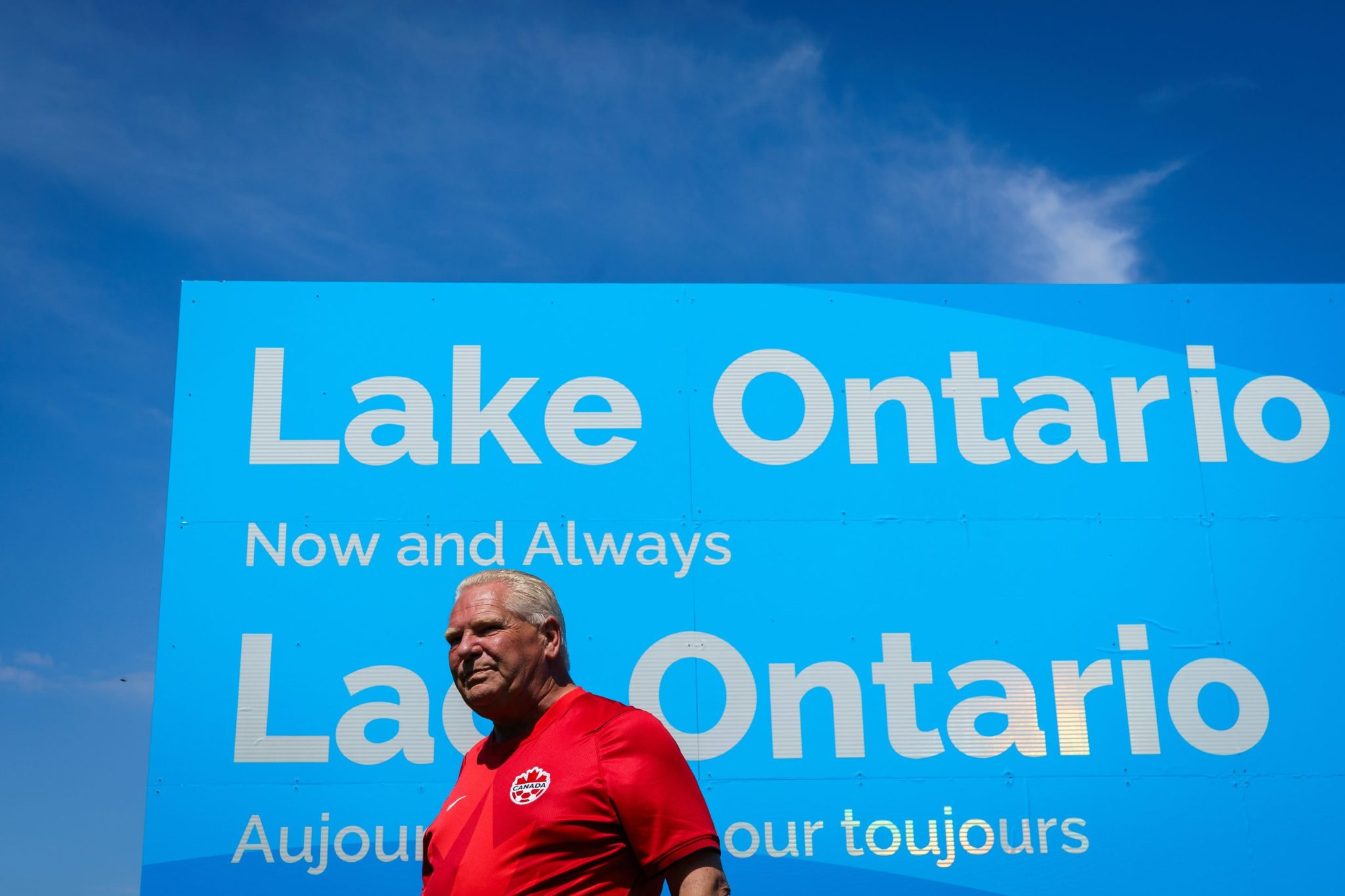
Doug Ford unveils “Lake Ontario. Now and Always” sign after Trump “Lake America” order
Ontario Premier Doug Ford unveils a large billboard on the shore of Lake Ontario reading “Lake Ontario. Now and Always,”...