


Markets react positively to expectations that an Iran-related conflict risk is easing after a peace development, with investors viewing the prospect of avoiding a Middle East war as a near-term tailwind. However, both outlets stress that equity markets still face multiple major challenges beyond the geopolitical improvement. The reports point to uncertainty around the Federal Reserve, including the possibility that a new Fed chair could adopt a more hawkish stance, which could affect interest-rate expectations and equity valuations. They also highlight ongoing market concerns tied to Washington’s policy actions that could disrupt parts of the AI trade, with implications for technology-sector demand and supply chains. In addition, the articles cite the upcoming volume of new stock issuance, described as the largest wave of stock supply in market history, which could increase supply pressure and influence pricing. Overall, while reduced immediate geopolitical risk is portrayed as helpful, the sources agree that investors continue to weigh monetary-policy uncertainty, potential policy-driven disruption in AI-related markets, and large-scale equity issuance as key factors shaping the near-term outlook for stocks.
Equities Focus on Remaining Risks After Iran Peace Deal
Markets react positively to expectations that an Iran-related conflict risk is easing after a peace development, with investors viewing the prospect of avoiding a Middle East war as a near-term tailwi...

- A peace-related development involving Iran reduces immediate risk of a Middle East war, which markets treat as a positive factor.
- Investors continue to assess uncertainty about the Federal Reserve, including the possibility of a more hawkish new Fed chair.
- Washington’s policy actions are seen as potentially disruptive to the AI trade and related markets.
- The outlook also includes concerns about a very large wave of new stock issuance.
- The sources agree that geopolitical relief is not the only driver of equity market performance in the near term.
Pricing out a Middle East war looks like the easy part for equities, which must still confront a potentially hawkish new Federal Reserve chair, Washington’s disruptive intervention in the AI trade, and the biggest wave of stock supply in market history.
2 months agoPricing out a Middle East war looks like the easy part for equities, which must still confront a potentially hawkish new Federal Reserve chair, Washington’s disruptive intervention in the AI trade, and the biggest wave of stock supply in market history.
2 months ago
Maya Jama shares thoughts on marriage and kids while partying in Ibiza
Maya Jama, 32, posts online comments that question whether marriage and children should be a life goal, as she continues...
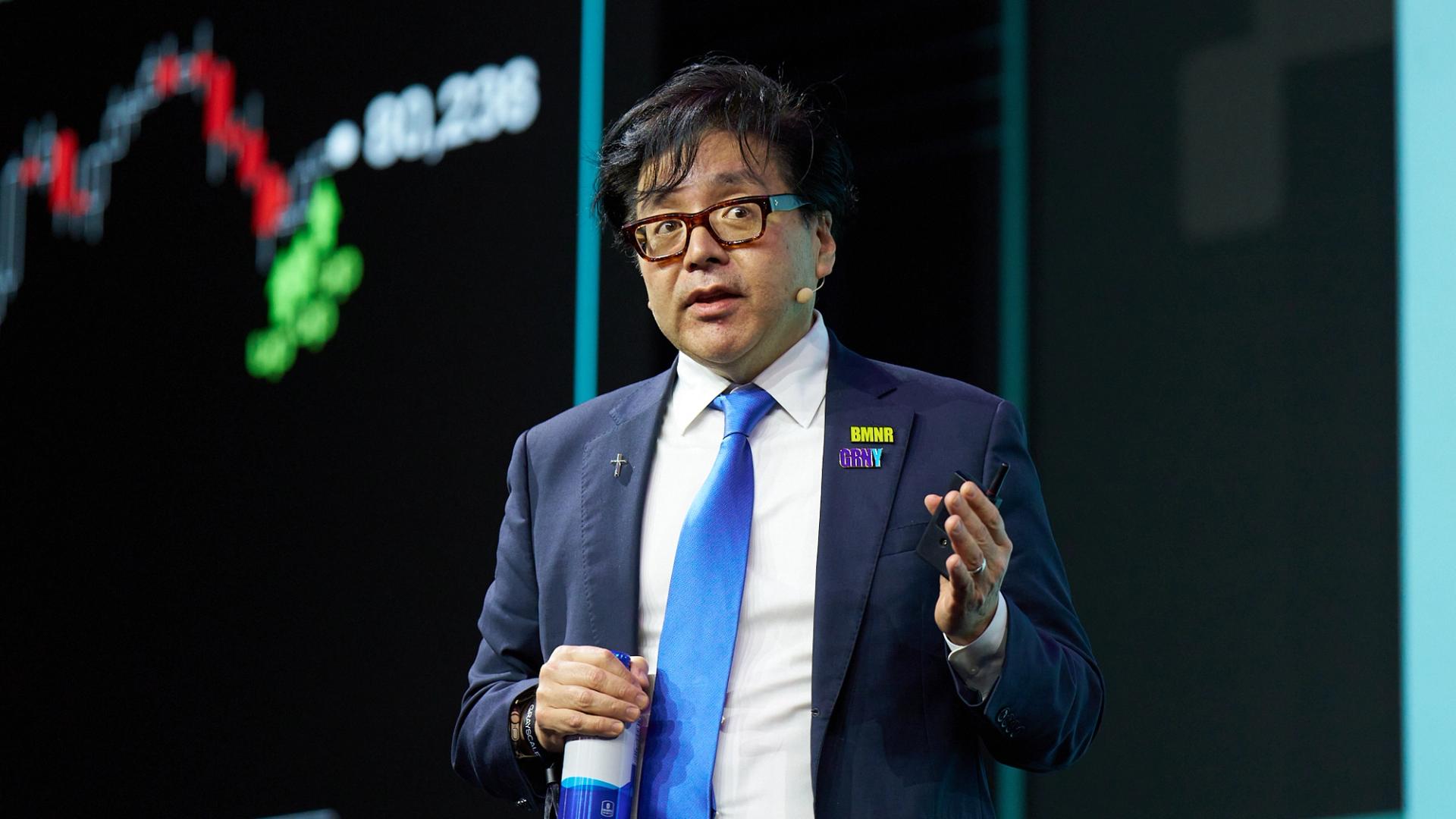
Bitmine Expands Ethereum Holdings With Largest 2026 ETH Buys
Bitmine Immersion Technologies, associated with chairman Tom Lee, is increasing its Ethereum treasury through large spot...

Iran cites sanctions and war costs as US tightens pressure
Iranian leaders publicly acknowledge the economic strain linked to its confrontation with the United States as Washingto...