


A study cited by multiple outlets reports that slower walking speed and weaker grip strength are associated with a higher risk of stroke. Researchers say these simple physical measures could be used to flag people who may need additional prevention efforts. The reporting notes that the findings may support development of a low-cost risk assessment tool for clinical use. Such an approach could help clinicians identify individuals most likely to benefit from interventions including medication and lifestyle advice. The articles present the results as suggesting a practical way to evaluate stroke risk without relying solely on more complex or expensive testing. While the outlets emphasize the potential for screening and early action, they frame the work as contributing evidence rather than establishing immediate changes to standard care. Overall, the coverage focuses on the relationship between functional indicators—mobility and hand strength—and subsequent stroke outcomes, and on how those indicators might be incorporated into risk-stratification strategies to guide prevention.
Slow walking speed and weak grip linked to higher stroke risk
A study cited by multiple outlets reports that slower walking speed and weaker grip strength are associated with a higher risk of stroke. Researchers say these simple physical measures could be used t...

- Slower walking speed is linked to a higher risk of stroke.
- Weaker grip strength is linked to a higher risk of stroke.
- Researchers suggest the measures could be used for low-cost stroke risk assessment.
- The approach could help identify people who may benefit from interventions such as drugs or lifestyle advice.
- The findings are presented as contributing evidence toward practical screening rather than a change in treatment guidelines.
The findings could help doctors develop a low-cost risk assessment to identify patients who would benefit most from intervention, such as drugs or lifestyle advice, researchers say.
3 months agoThe findings could help doctors develop a low-cost risk assessment to identify patients who would benefit most from intervention, such as drugs or lifestyle advice, researchers say.
3 months ago
Fire at Islamabad hospital maternity ward kills at least 14–15 newborns
A fire at a state-run hospital in Pakistan’s capital, Islamabad, kills at least 14 newborn babies, with multiple reports...
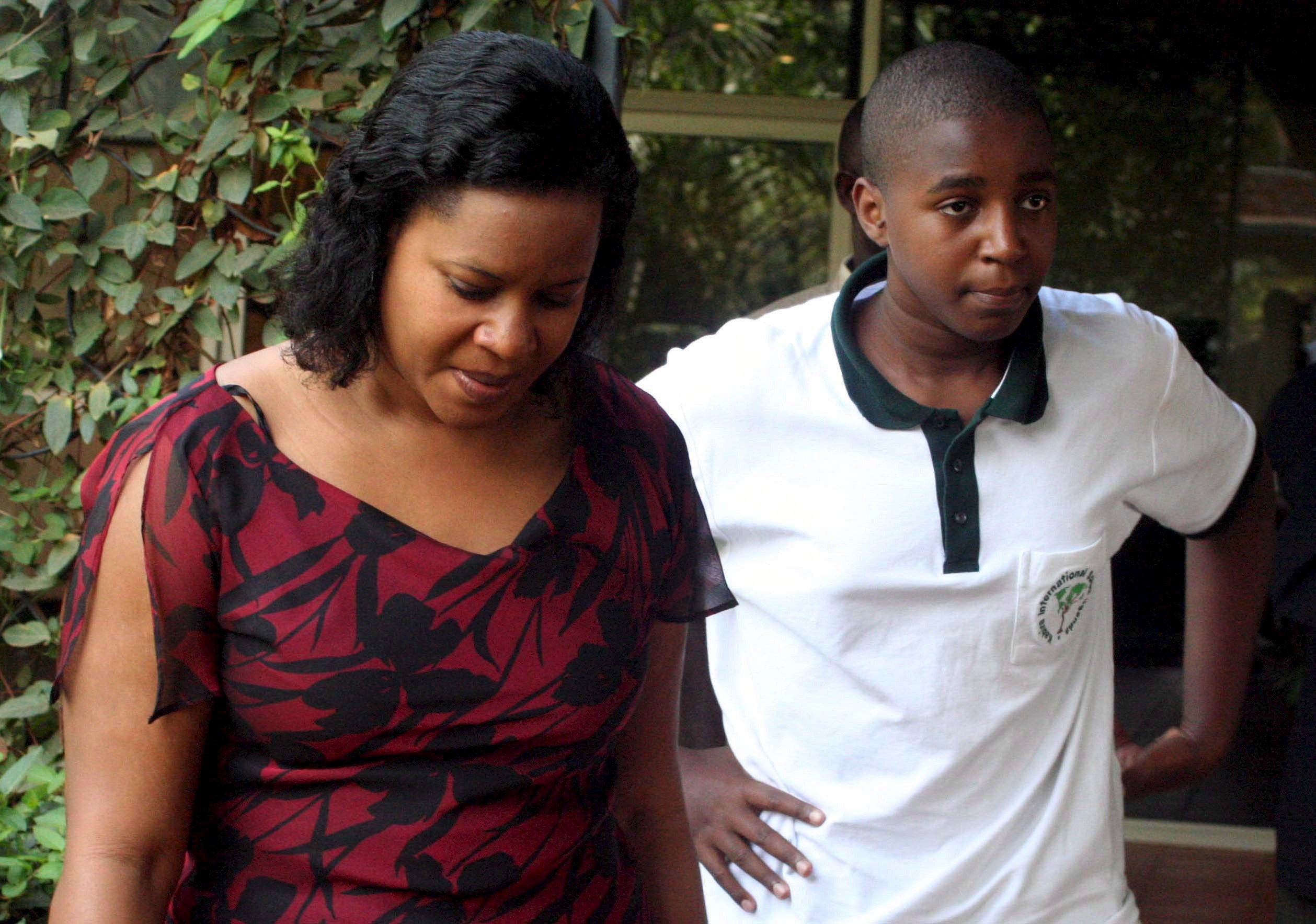
Ugandan King Oyo Nyimba, crowned at three, dies aged 34
Ugandan traditional monarch Oyo Nyimba, known as a “boy king” after taking the throne at a very young age, has died at 3...

Death toll rises in Nepal–Tibet floods and landslides, with hundreds dead and over 1,000 missing
Severe flash floods and landslides strike areas along the Nepal–Tibet border, and officials report rising casualties as...