Western military forces have largely reduced their presence across Africa’s Sahel amid persistent political instability and growing anti-Western sentiment, according to reporting referenced by both outlets. The Sahel—often described as a “coup belt”—has experienced a series of governance shocks, with public and political opposition to foreign involvement rising in some countries. In this context, the broader trend has been Western troops leaving or scaling down operations after years of instability and backlash.
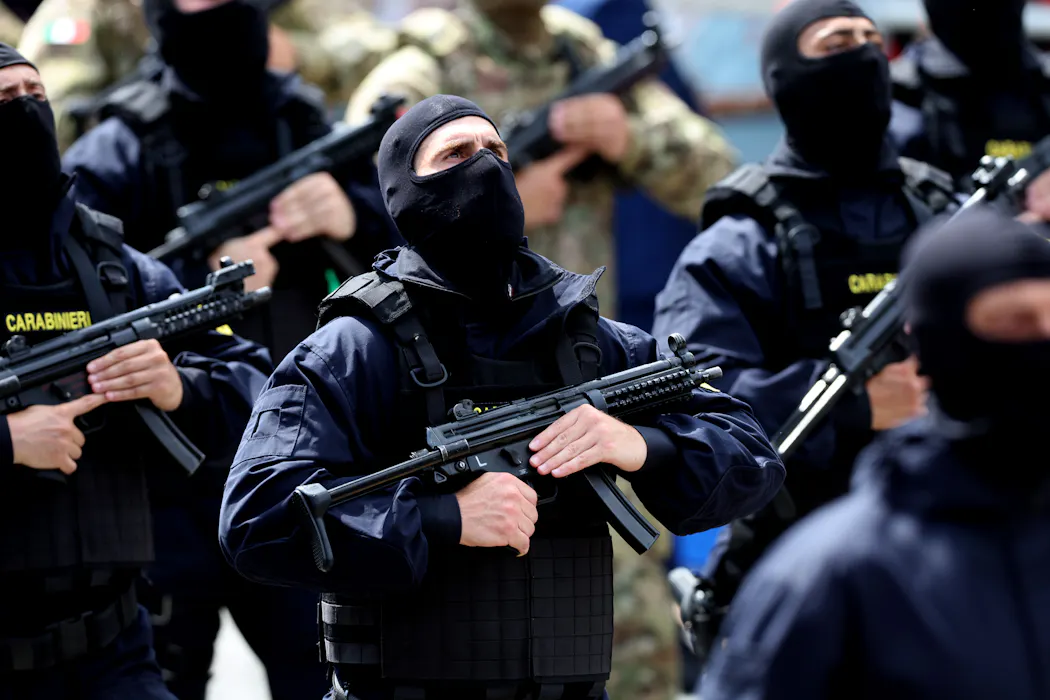
Both sources raise questions about why Italy’s Carabinieri, which provide law-enforcement and security-related support, continue operating in parts of the region while other Western forces depart. The articles frame the situation as part of the wider shift in the security and diplomatic landscape, where perceptions of foreign assistance can differ depending on the mission type, host-government arrangements, and how activities are received by local populations. While the coverage focuses on the contrast between general Western withdrawals and Italy’s continuing role, it does not present a single unified explanation, instead linking the issue to the Sahel’s evolving anti-Western climate and the political challenges facing foreign security partners.