


A new study reports that a tropical butterfly species shows unusually long lifespans compared with closely related species, suggesting that diet may influence aging. According to coverage drawing on research published in Nature, the “geriatric” butterfly lives dramatically longer than its relatives, with some reports describing lifespan increases ranging from several-fold to up to many times depending on the comparison and context. The work focuses on butterflies that feed on pollen, proposing that this diet could support slower aging and increased longevity. The findings add to broader scientific interest in why certain animals experience extended lifespans, often referred to in research as mechanisms that slow age-related decline. Other outlets highlight that the research frames the species’ longevity as unusually extreme among its group and presents it as a potential model for understanding biological aging. While the study centers on a specific butterfly genus, the overall message across sources is that pollen consumption and associated physiological or nutritional factors may help explain the insect’s extended lifespan.
Study finds pollen-eating tropical butterfly may live far longer than relatives
A new study reports that a tropical butterfly species shows unusually long lifespans compared with closely related species, suggesting that diet may influence aging. According to coverage drawing on r...
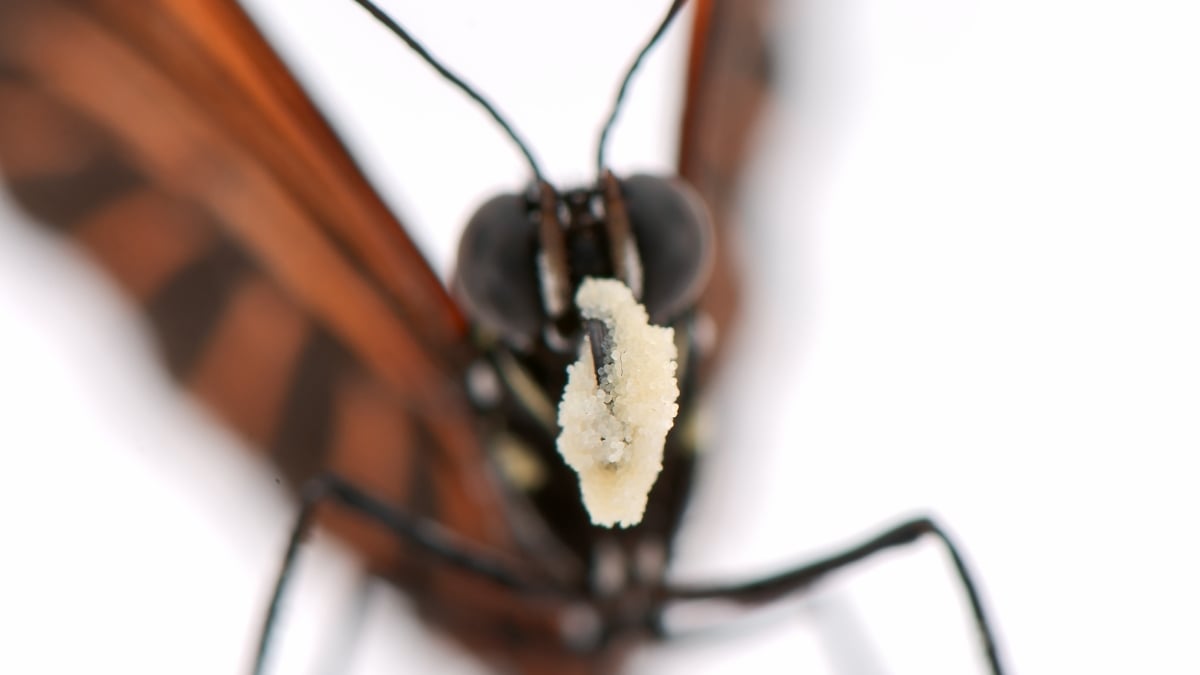
- Researchers report a tropical butterfly species has a much longer lifespan than closely related species.
- The findings are based on work published in Nature and highlighted by multiple outlets.
- The study links the butterfly’s longevity to its pollen-based diet.
- Some coverage describes the lifespan increase as several-fold, with reports citing figures up to much higher relative to relatives depending on the comparison.
- The research is presented as offering clues about mechanisms that slow aging.
Butterflies That Eat Pollen May Hold Clues to Extreme Longevity ScienceAlertEvolution of increased longevity and slowed ageing in a genus of tropical butterfly NatureThe Butterfly Longevity Diet The Atlantic'Geriatric' butterfly species lives nearly three times as long as their relatives Phys.org“Geriatric” Butterfly Species Lives Almost Three Times Longer Than Its Relatives, Study Finds Bioengineer.org
2 months agoThis butterfly lives up to 25 times longer than its relatives.ScienceAlert stories are written, fact-checked, and edited by humans, never generated by AI. Don't miss a story, subscribe here.
2 months ago
Experts find Greenland forced contraception violated rights but did not meet genocide threshold
Two expert reports released on Friday conclude that a decades-long campaign of forced contraception in Greenland violate...

Judge declines immediate block of Trump executive order limiting birthright citizenship
A federal judge in Maryland declines to immediately block implementation of President Donald Trump’s latest executive or...

Milo Yiannopoulos detained in ICE custody, multiple outlets report
Far-right commentator Milo Yiannopoulos is detained in U.S. Immigration and Customs Enforcement (ICE) custody, according...