HuffPost UK
Iran Peace Talks Are Shaping Up To Be A Huge Embarrassment For JD Vance
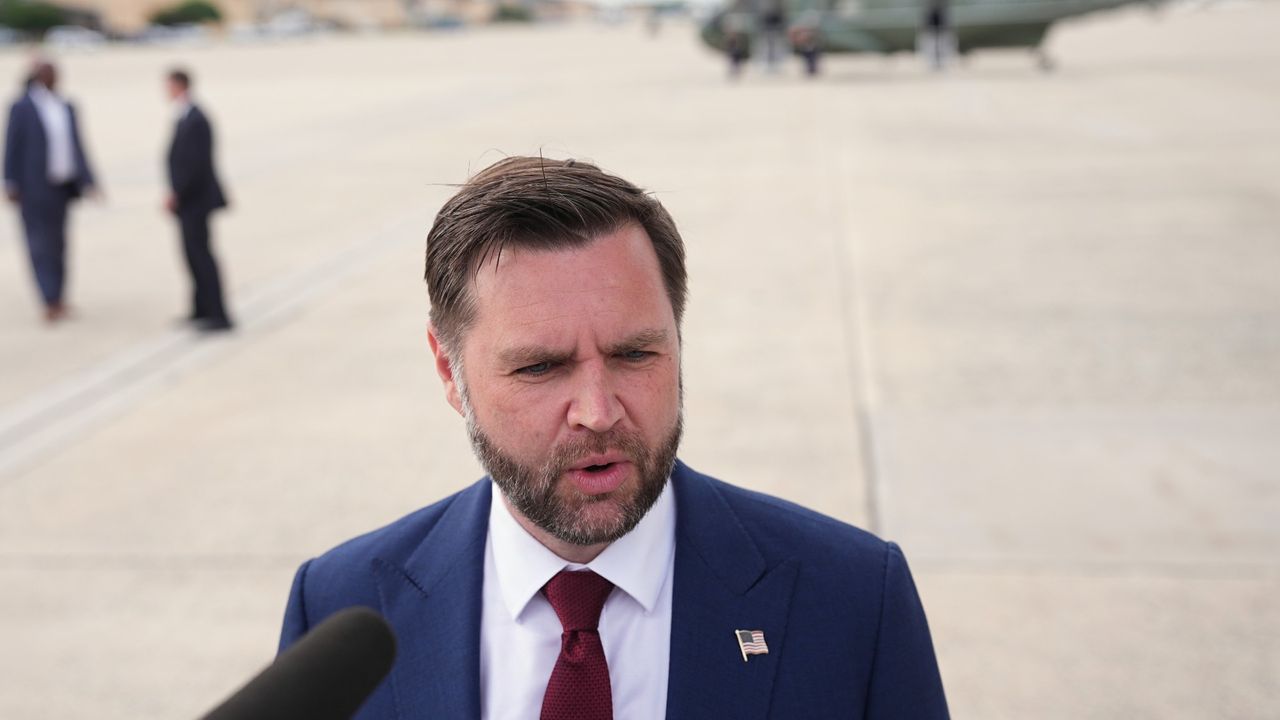
Vice President JD Vance listens as a reporter asks a question in the James Brady Press Briefing Room at the White House, Thursday, June 18, 2026, in Washington. (AP Photo/Jacquelyn Martin)Vice President JD Vance’s flailing efforts to achieve a permanent peace deal with Iran are back on ice amid resumed overseas attacks and widespread backlash over his interim deal, criticised for bolstering Tehran and failing to achieve the goals first set by the US.Both Vance and Iranian officials postponed Friday’s planned start of weeks-long talks in Switzerland to hammer out permanent details of the peace pact, for which Vance has become the poster boy — and, at times, punching bag.The scrapped plans came as President Donald Trump ominously declared Iran “finished” on Friday, adding that the US will “play out the 60 days,” which is how long the talks were scheduled to occur. It also came amid resumed attacks between Israel and Iranian-backed Hezbollah militants in Lebanon, which Iran said would need to end for negotiations to continue. A ceasefire was declared later on Friday.Vice President JD Vance is seen during a news conference Thursday, announcing the start of the 60-day period for U.S.-Iran talks.Trump and Iran have both threatened that war will immediately resume if either acts in bad faith.Vance’s neck is on the line if the deal doesn’t work out, Trump joked this week. And Trump said with a laugh that, if it is a success, he’ll take all the credit himself.“You better be careful, JD,” Trump hollered during a press conference Wednesday before he sidestepped Vance’s planned signing of the deal on Friday and inked it himself digitally.Vance, a presumed 2028 White House contender who also made appearances for his book tour this week, has said he isn’t worried about being Trump’s fall guy for the war. He told reporters Thursday that the president’s comments were made in jest.Since the text of the peace deal was released, however, it’s been slammed by Republican lawmakers as “the worst foreign policy blunder in decades,” “completely out of step with the President’s goals,” and the result of “some very poor advice.”Vance, taking questions from reporters on Thursday, has become the public face and defender of the war with Iran, despite one report that he opposed its start.At a White House press conference on Thursday, Vance also acknowledged hearing criticism from Israel’s Cabinet.One of the common criticisms of the deal is that it leaves the fate of Iran’s enriched material and “all other mutually agreed nuclear-related issues, including Iran’s nuclear needs,” open-ended until a final agreement is reached.Many have also pointed out that Iran leveled up from the war by realizing the power it has in closing the Strait of Hormuz. It’s a tactic the country “will undoubtedly leverage” again, said Sen. Bill Cassidy (R-La.).“Is what’s going on behind the scenes as chaotic as your public messaging?” Vance was asked by a reporter at Thursday’s press conference, triggering a short laugh from Vance and a denial.JD Vance Rejects Claims of Chaotic Messaging on Iran Deal JD Vance defended the administration’s communication on Iran, saying the public messaging has been consistent and focused on the terms of the agreement #WashingtonEyepic.twitter.com/o90RLACjgS— Washington Eye (@washington_EY) June 18, 2026Vance’s handling of the peace pact has been nothing but tumultuous since its start, however, particularly with contradicting reports earlier in the week on what the deal would and would not include.One major, apparently, ongoing point of confusion in the deal is an agreement that the US would create a $300 billion reconstruction fund for Iran with regional partners. (See point No. 6 in the text of the agreement.)After Vance confirmed that Iran could have access to such a fund, Trump repeatedly insisted the U.S. would not contribute.“There is no 300 Billion Dollar payment to Iran by the US. That’s Fake News! All there is for the U.S. is Success, Lower Oil Prices, and Victory. Check out the Stock Market. Dumocrat propaganda at play!!!” he posted on Truth Social.He appeared to repeat this assertion in a post on Friday: “They get no money, not ten cents.” In addition to the establishment of a $300 billion investment fund, the deal includes the unfreezing of Iranian assets — reportedly more than $100 billion worth — and the lifting of sanctions, allowing it to resume selling oil. Fox News host Brian Kilmeade, reacting to all the confusion on Wednesday, suggested that Vance “wasn’t the right person” for the job.Listen to Commons People, the podcast that makes politics easy. Every week, Kevin Schofield and Kate Nicholson unpack the week’s biggest stories to keep you informed. Join us for straightforward analysis of what’s going on at Westminster.Related...JD Vance Hit With Epic Community Note Over Bizarre World War 2 ClaimJD Vance Blames 'Mass Invasion Of Migrants' For Henry Nowak's MurderDavid Lammy Says He Told JD Vance He Was 'Wrong' To Blame Immigration For Henry Nowak's Murder
2 months ago