


Multiple outlets discuss the potential implications of a U.S.–Iran deal for American policy in the Middle East. The coverage frames the agreement as a possible catalyst for changing how the United States engages with the region, suggesting that Washington’s role may move away from day-to-day oversight of regional developments. Instead, the reports indicate the deal could support a broader strategic recalibration that emphasizes different methods of influence and management rather than micromanaging regional affairs. Both sources present the central theme that a negotiated agreement with Iran could affect U.S. strategy by altering incentives, constraints, and the overall policy environment in which Washington operates. While the articles do not provide detailed policy mechanisms or quantified outcomes in the excerpts provided, they converge on the idea that diplomacy with Iran could have wider regional consequences and lead to a transformation in U.S. approach. The discussion remains focused on strategic direction and the prospect of a different posture in the Middle East rather than specific operational steps or timelines.
U.S.–Iran Deal Seen as Potential Shift in America’s Middle East Approach
Multiple outlets discuss the potential implications of a U.S.–Iran deal for American policy in the Middle East. The coverage frames the agreement as a possible catalyst for changing how the United Sta...

- Sources describe a U.S.–Iran deal as potentially transformative for U.S. Middle East strategy.
- Both characterize U.S. involvement as potentially shifting away from micromanagement of the region.
- Both present the deal as a factor that could reshape Washington’s approach to regional engagement.
Washington doesn't need to be the region's micromanager.
2 months agoWashington doesn’t need to be the region’s micromanager. The post The U.S.–Iran Deal Could Help Transform America’s Mideast Strategy appeared first on The American Conservative.
2 months ago
Trump says Canada is among “worst” countries to deal with after trade talks collapse
President Trump says Canada is “one of the worst countries in the world to deal with,” following the collapse of U.S.-Ca...

CIA Director John Ratcliffe visits Moscow for security-service talks, according to US media
CIA Director John Ratcliffe travels to Moscow for meetings on Tuesday, according to multiple US media reports citing unn...
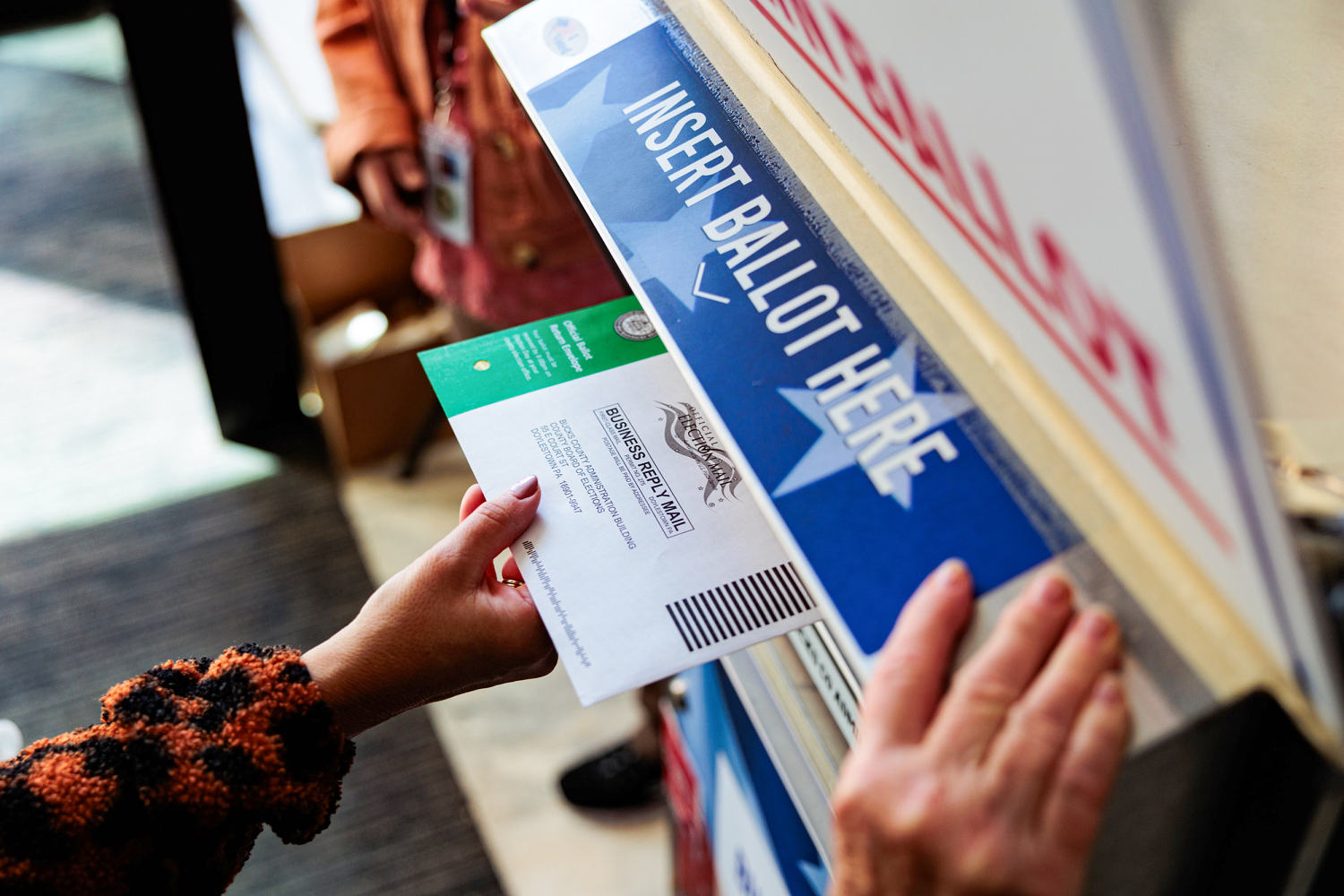
Supreme Court ruling lets Trump’s mail-in ballot restrictions take effect as a case proceeds
The U.S. Supreme Court allows changes to President Donald Trump’s mail-in voting order to go into effect, and a federal...