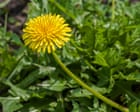
Scientists are exploring the Russian dandelion (Taraxacum koksaghyz) as a possible alternative source of natural rubber as global demand rises and natural rubber supplies face pressure. The dandelion approach draws on a wartime precedent: during the Second World War, the Allies turned to the Russian dandelion after shortages restricted access to traditional rubber. Soviet researchers found that the plant’s roots produce a milky latex that can be processed into natural rubber.
After the war, commercial production largely shifted back to the rubber tree (Hevea brasiliensis). Today, however, scientists say renewed interest is driven by increasing demand alongside challenges to rubber-tree production, including disease affecting trees and disruptions linked to extreme weather. Some researchers also highlight potential agricultural advantages of dandelions, including the ability to grow in temperate climates and the potential to cultivate them with fewer pesticide inputs and less water than typical rubber-tree plantations.
The outlets agree the work is aimed at assessing whether dandelions could supplement or replace rubber-tree plantations, reducing reliance on systems associated with land-use change.