


Multiple outlets report that PFAS, often called “forever chemicals,” are increasingly found in dolphins and whales across the globe. The coverage emphasizes that these marine mammals inhabit diverse and remote environments—from tropical coastlines to Antarctic waters—yet they are still exposed to PFAS that enter the ocean from human activity. The articles describe PFAS as persistent pollutants that can leak into waterways through sources such as homes, factories, and other parts of the environment, eventually reaching marine ecosystems. Both pieces characterize the trend as a global rise in PFAS levels in these animals, indicating that contamination is not limited to heavily industrialized or coastal areas. Taken together, the reports suggest that PFAS pollution is widespread and continues to accumulate in marine food webs, reaching top consumers such as dolphins and whales. The articles focus on the broader message that even remote ocean regions are affected, and that PFAS contamination in marine wildlife is growing over time.
PFAS “forever chemicals” in dolphins and whales rise worldwide, new reports say
Multiple outlets report that PFAS, often called “forever chemicals,” are increasingly found in dolphins and whales across the globe. The coverage emphasizes that these marine mammals inhabit diverse a...
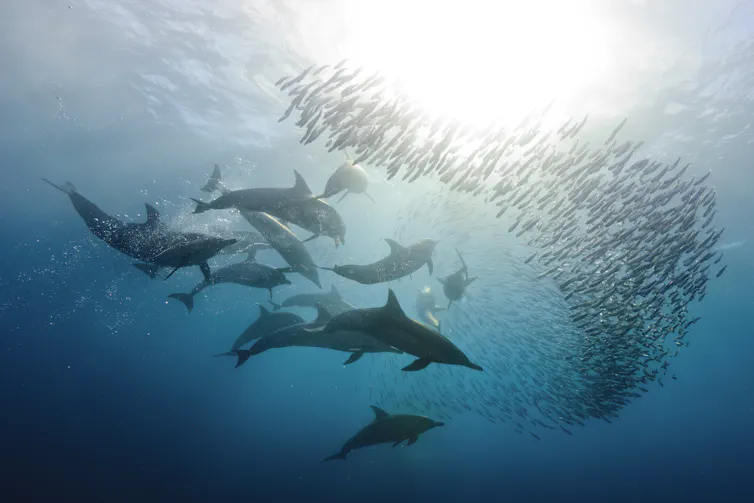
- PFAS, also called “forever chemicals,” are detected in whales and dolphins.
- Levels of PFAS in these marine mammals are reported to be rising globally.
- Marine mammals are exposed across diverse habitats, including remote and polar regions.
- PFAS contamination is linked to leakage into waterways from sources such as homes and factories.
- The reports describe PFAS as persistent pollutants that remain in the environment.
Whales and dolphins inhabit some of the largest and seemingly most pristine environments on Earth, from tropical coastlines to Antarctic waters. Yet even they cannot escape PFAS—persistent "forever chemicals" that leak from our homes, factories and waterways into the sea.
2 months agoNowhere is safe from forever chemical pollution – not even the middle of the ocean. PFAS levels are on the rise in the world’s whales and dolphins.
2 months ago
Bosai donates 6 MW generation capacity to Guyana Power and Light
Bosai Minerals Group Guyana Inc. donates six 1-megawatt generator sets—6 MW total generation capacity—along with power-p...

Glacier collapse near Nepal-Tibet border triggers flash floods and debris flows
A catastrophic flood disaster across Nepal and Tibet is widely attributed to a large glacier collapse near the Nepal–Chi...

Trump administration considers land swap to give Yosemite parcel for private access road
The Trump administration is considering transferring a small parcel inside Yosemite National Park to a private developer...