


Israeli Prime Minister Benjamin Netanyahu is entering an election expected by October facing new political pressure tied to an interim U.S.-Iran peace arrangement. Multiple reports describe Netanyahu’s position as already precarious: his right-wing coalition has been projected by polls to be vulnerable, and public anger ahead of the vote is highlighted as a growing factor. Analysts cited across outlets also link the U.S. decision to move toward ending elements of conflicts in Iran and Lebanon earlier than Israel’s stated objectives have been achieved, portraying the interim deal as complicating Netanyahu’s messaging and strategy. In addition to concerns focused on Iran, coverage notes that Netanyahu’s broader security record is under scrutiny domestically, including criticism that policy attention has not aligned with threats perceived along the Gaza area. One outlet also frames the political challenge as an “invidious choice” for Netanyahu in an election year: balancing the interests of a powerful ally against the risk of backlash in Israel if the war with Hezbollah is not continued or is ended. Overall, sources agree the interim U.S.-Iran deal increases the political costs Netanyahu faces during an autumn election.
Netanyahu faces election amid controversy over interim U.S. Iran peace deal
Israeli Prime Minister Benjamin Netanyahu is entering an election expected by October facing new political pressure tied to an interim U.S.-Iran peace arrangement. Multiple reports describe Netanyahu’...

- Benjamin Netanyahu says he intends to run in an election expected by October.
- Polls indicate Netanyahu’s right-wing coalition is likely to lose support.
- An interim U.S.-Iran deal is described as adding complications for Netanyahu’s strategy and domestic standing.
- Some reporting says the U.S. moves to end aspects of wars in Iran and Lebanon occur before Israel’s stated goals are met.
- Domestic critics also cite concerns about Israel’s security priorities, including attention beyond threats near the Gaza border.
The Israeli prime minister faces an invidious choice in an election year: kowtow to a powerful ally, or risk displeasure at home by ending the war with Hezbollah.
2 months agoIsraeli Prime Minister Benjamin Netanyahu has confirmed he intends to stand in an election that must be held by October, but polls put his right-wing coalition on course to lose.
2 months agoIsraeli Prime Minister Benjamin Netanyahu’s hopes of clinging to power in an election this autumn have long been shaky, but the interim U.S. deal with Iran has added yet another complication. U.S. President Donald Trump has opted to end the wars in Iran and Lebanon long before Israel’s goals were accomplished, and Netanyahu’s boast in […]
2 months agoBy Maayan Lubell and Angus McDowallJERUSALEM, June 17 (Reuters) - Israeli Prime Minister Benjamin Netanyahu's hopes of clinging to power in an election this autumn have long been shaky, but the interim U.S. deal with Iran has added yet another complication.U.S. President Donald Trump has opted to end the wars in Iran and Lebanon long before Israel's goals were accomplished, and Netanyahu's boast in March that "we are changing the face of the Middle East" looks increasingly empty.
2 months agoDomestic critics say Netanyahu focused security away from the Gaza border and disregarded Hamas as a real threat
2 months ago
Euronews publishes multiple daily news bulletins across May and June 2026
Euronews releases a series of “Latest news bulletin” broadcasts across different dates in May 2026 and June 2026, includ...
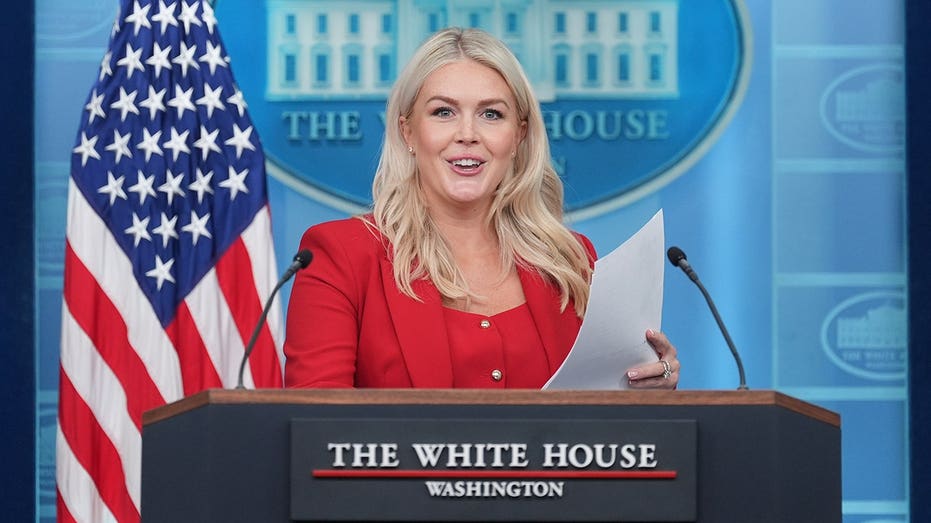
Karoline Leavitt to leave White House press secretary role at end of August
White House press secretary Karoline Leavitt is set to leave her post later this month, with reporting placing her depar...

Syrian President pays with Visa card after U.S. removes Syria from terrorism list
Syrian President Ahmed al-Sharaa uses a Visa card for a payment in Damascus shortly after the United States removes Syri...