


Oil prices are falling as markets respond to hopes of a potential US–Iran truce. Multiple reports describe this as a key driver behind the easing in crude prices, which can reduce pressure on fuel costs. However, the outlets stress that this does not necessarily translate into fuel prices in South Africa returning quickly to levels seen in early 2026. The argument centers on the gap between international crude movements and domestic fuel pricing, which is influenced by factors beyond the day-to-day direction of oil. These include existing price-setting mechanisms and timing effects, as well as ongoing volatility risks in global supply and demand. Even with lower crude prices, fuel prices can lag and adjust gradually rather than revert immediately. As a result, motorists are told to expect more limited relief and a slower adjustment, rather than a rapid return to earlier price levels.
Oil prices ease on US-Iran hopes, but fuel may not fall to early-2026 levels
Oil prices are falling as markets respond to hopes of a potential US–Iran truce. Multiple reports describe this as a key driver behind the easing in crude prices, which can reduce pressure on fuel cos...
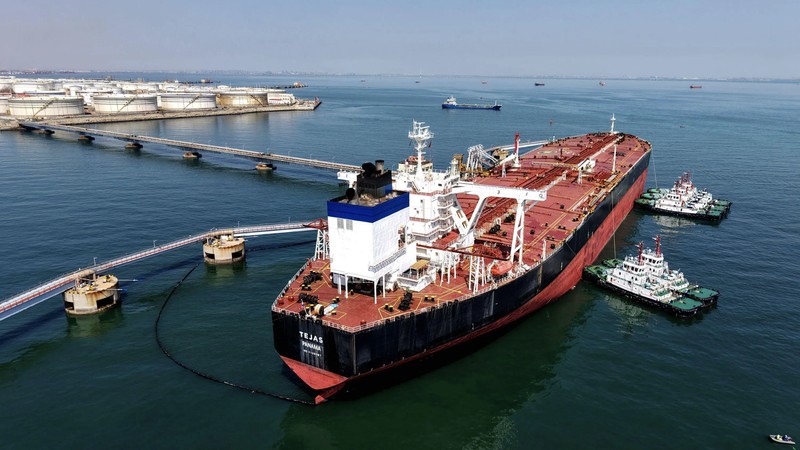
- Oil prices are falling as market sentiment improves.
- Hopes for a US–Iran truce are cited as a main reason for the easing in crude.
- South African fuel prices are not expected to return immediately to early-2026 levels.
- Domestic fuel prices are described as adjusting with delays and other influencing factors beyond crude oil alone.
Oil prices are easing on hopes of a US-Iran truce, but South African motorists shouldn’t expect fuel prices to return to early-2026 levels soon. Here's why:
2 months ago
Nepal flash floods linked to glacier collapse; scientists warn of growing Himalaya glacier risks
A deadly flash flood in Nepal on Wednesday is being linked to a glacier collapse, according to preliminary investigation...

EFCC extradites two Nigerians to the US over alleged teen sextortion
Nigeria’s Economic and Financial Crimes Commission (EFCC) extradites two Nigerian men to the United States to face prose...

Neeraj Chopra out for remainder of 2026 season after ankle ligament tear
Javelin thrower Neeraj Chopra is ruled out of the remainder of the 2026 season after suffering an ankle ligament tear du...