


Iranian Foreign Minister Abbas Araqchi announces an interim deal with the United States to halt the war, but many Iranians interviewed by Reuters feel little reason to celebrate, according to coverage from both outlets. They describe a period of more than three months of U.S. and Israeli airstrikes, along with a blockade of Iranian ports, as deepening suffering on top of longstanding economic pressure from sanctions. While the interim agreement stops the fighting “for now,” residents say day-to-day economic concerns persist. People interviewed report remaining in “survival mode,” with careful spending and limited optimism about near-term improvement in living conditions. The reporting also notes a divide between the political framing of the deal and public sentiment, with Araqchi presenting Iran as the victor, while many citizens do not perceive gains from the ceasefire. Overall, the outlets portray the interim deal as reducing immediate security risk but failing—at least in the short term—to relieve economic and humanitarian stress caused by the preceding conflict and restrictions on trade.
Iranians say interim U.S. deal ends war but not hardship
Iranian Foreign Minister Abbas Araqchi announces an interim deal with the United States to halt the war, but many Iranians interviewed by Reuters feel little reason to celebrate, according to coverage...
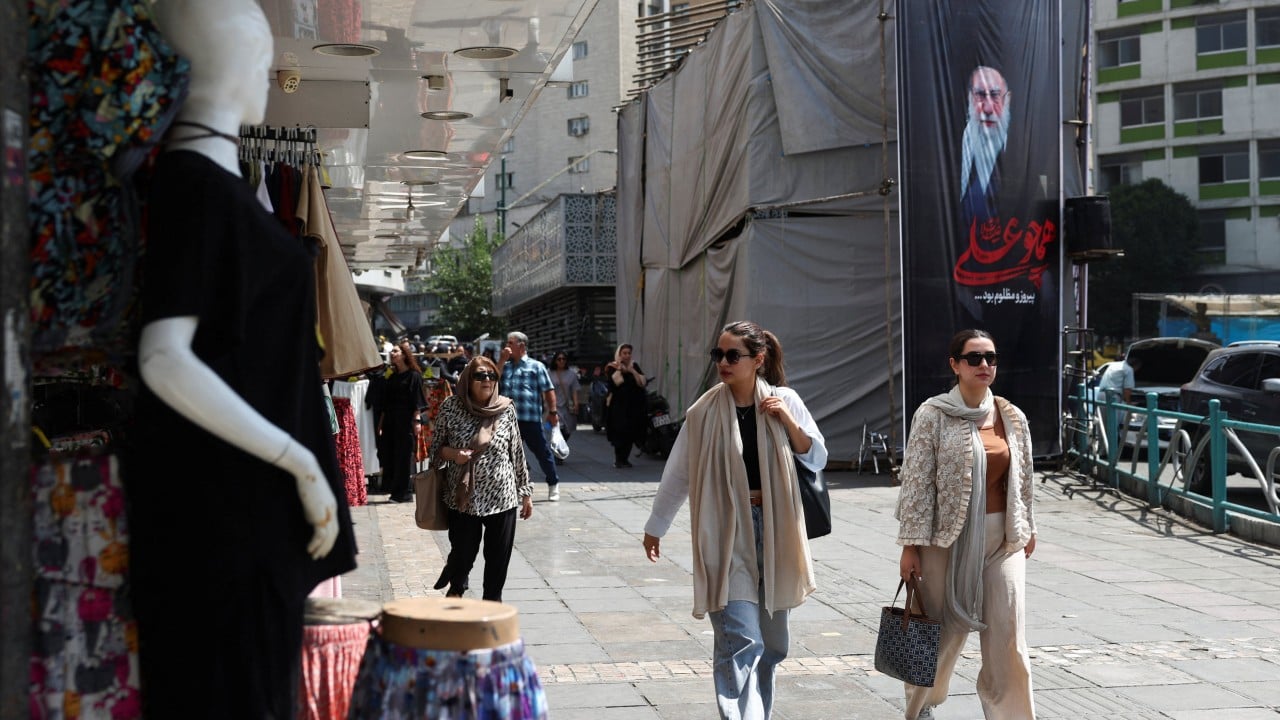
- Iran’s foreign minister Abbas Araqchi announces an interim deal with the United States to halt the war.
- Many Iranians say the ceasefire does not translate into improved living conditions.
- Reports cite more than three months of U.S. and Israeli airstrikes before the interim deal.
- A blockade of Iranian ports is described as contributing to hardship.
- Even with fighting halted “for now,” people say they remain focused on managing finances and day-to-day survival.
When Iran’s Foreign Minister Abbas Araqchi announced the interim deal this week to end the war with the United States, he declared his country the victor. To many Iranians, it does not feel that way. More than three months of US and Israeli air strikes, and a blockade of Iranian ports, have poured new misery on a people already toiling under years of sanctions. Although the war is over – for now – Iranians are still watching their spending carefully. Few of the supporters and opponents of the...
2 months agoBy Nilo TabrizyJune 17 (Reuters) - When Iranian Foreign Minister Abbas Araqchi announced the interim deal this week to end the war with the United States, he declared his country the victor. To many Iranians it does not feel that way.More than three months of U.S. and Israeli airstrikes, and a blockade of Iranian ports, have poured new misery on a people already toiling under years of sanctions.
2 months ago
Glacial collapse floods kill hundreds and leave over 1,300 missing in Nepal and Tibet
Catastrophic flash floods and mud surges triggered by a glacial collapse hit communities along the Nepal–China border, w...

Andy Burnham says he will abstain on assisted dying vote in September
Prime Minister Andy Burnham says he will abstain in a parliamentary vote on legalising assisted dying in England and Wal...

Aston Villa agree Ollie Watkins sale; Nicolas Jackson lined up as replacement
Aston Villa agree to sell striker Ollie Watkins to Al Hilal, with the move set to send the 30-year-old to the Saudi Pro...