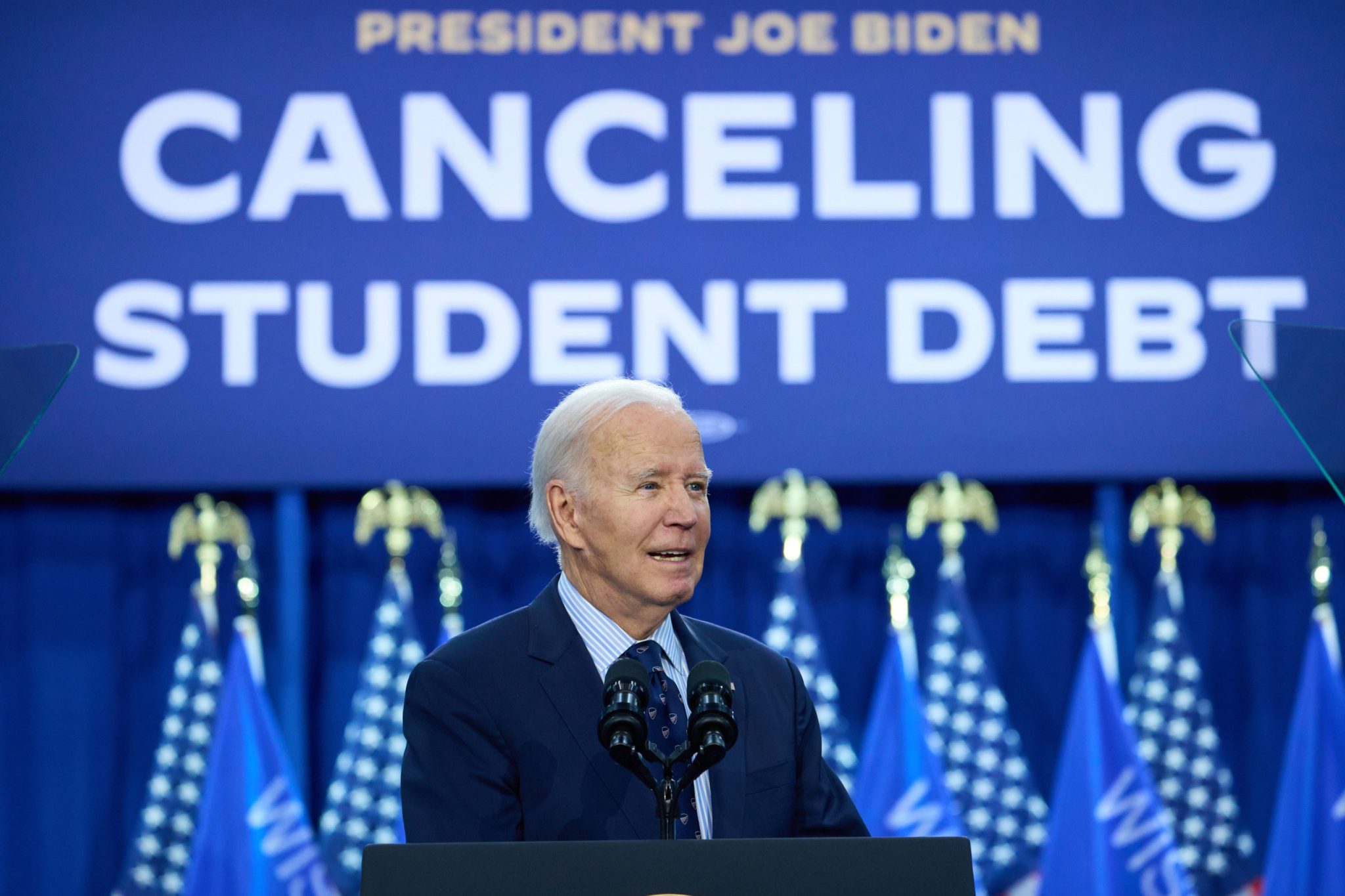
Two reports centered on research examining how changes in U.S. student-loan policy messaging influence borrowers’ financial behavior. The articles describe an analysis focused on periods when public statements and expectations about potential student-loan relief—such as the possibility of cancellation—shift. According to the accounts, when the government signals that major action may occur, some borrowers respond by spending more of their discretionary income as if relief is likely to materialize, even when outcomes are not guaranteed.
The reports also state that the same behavioral changes are linked to higher credit stress. One cited finding is that borrowers become about 7.5% more likely to default, tied to the effects of the policy promises and subsequent reversals (“flip-flopping”). The articles frame the mechanism as expectation-driven spending: if borrowers adjust their budgets based on anticipated relief and later the promised outcome does not occur, they may face shortfalls that increase delinquency and default.
Both sources present the conclusion as derived from empirical research and do not cite an argument that borrowers intentionally act fraudulently; instead, they emphasize how uncertainty and changing messaging can affect repayment capacity.