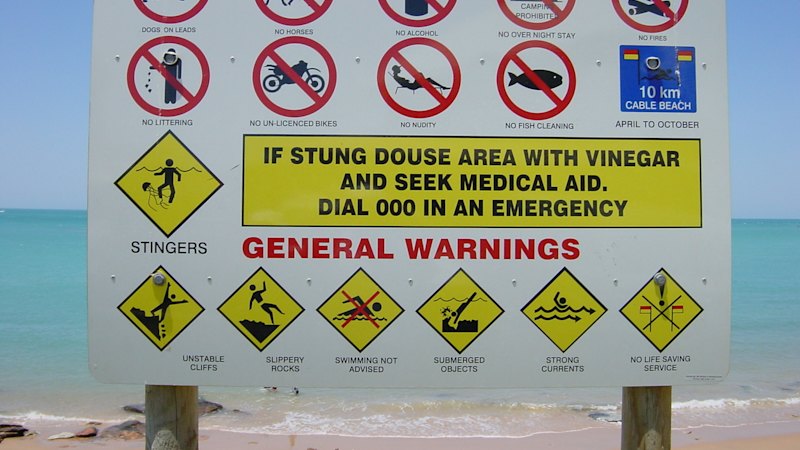
Across multiple Australian outlets, commentary focuses on the public signage seen near lakes that reads “Warning – water!”. Writers argue that emergency warnings are valuable, but they question whether some signs are excessive or redundant—describing them as “bleeding obvious” and part of a broader “nanny state” approach. The pieces note that drowning and other water-related risks justify clear warnings in principle, yet they suggest the volume or style of some alerts may be undermining their impact or contributing to public frustration.
The reports present the same core premise: a simple, highly visible sign next to a lake stating to be careful around water has become a flashpoint for debate about how governments communicate risk. While the outlets share a skeptical tone toward the proliferation of straightforward warnings, they do not present new evidence about any specific incident. Instead, they frame the discussion around public messaging—how warnings are designed, how much is displayed, and whether “obvious” notices help or clutter public spaces.