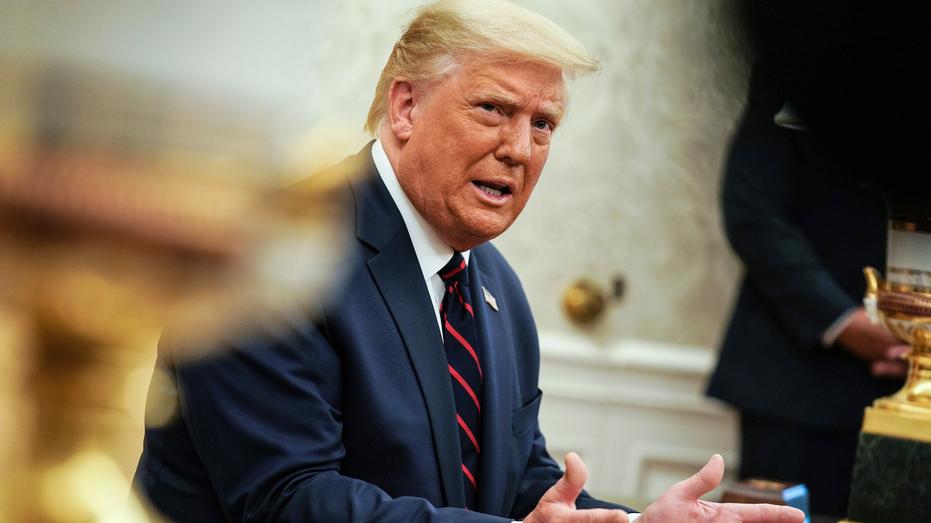
Multiple analyses point to a recurring pattern of friction between Israeli Prime Minister Benjamin Netanyahu and US presidents. The dispute is often tied to Netanyahu’s decisions in the Middle East and how those choices intersect with US priorities. One cited trigger is Netanyahu’s ordering of a strike on Beirut on June 14, which is described as drawing a sharp reaction from then–US President Donald Trump. Trump reportedly viewed the strike as potentially threatening efforts related to an Iran-related diplomacy track, and he publicly criticized Netanyahu’s judgment.
The broader theme across the sources is that Netanyahu has a longstanding reputation among American leaders for being difficult to manage diplomatically. His approach to regional conflicts, timing of actions, and the implications for negotiations with other states repeatedly become flashpoints with Washington. While the specific language and context differ by event and presidency, the accounts agree that US criticism follows when Netanyahu’s actions are perceived—by the White House in real time—as undermining or complicating US strategy in the region.