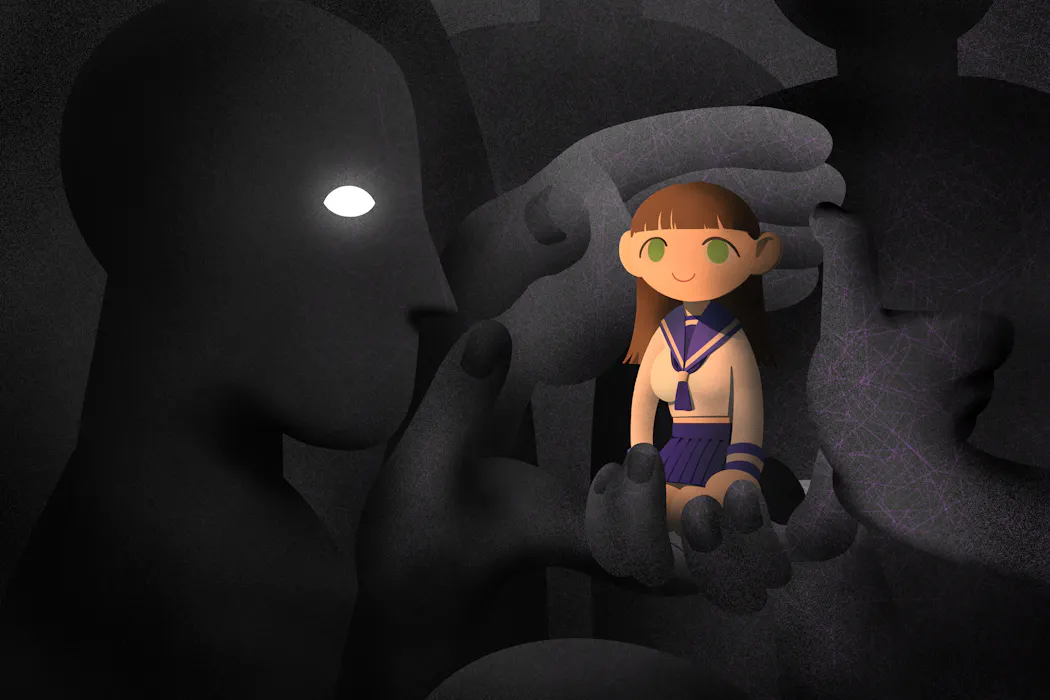
A set of articles discusses growing interest in AI companionship—including holograms and chatbots—and whether these technologies can genuinely support human happiness. The pieces draw on philosophy research examining the relationship between human well-being and artificial intelligence, focusing on the question of whether technology can replace or replicate human relationships.
One cited study reports that 75% of respondents believe chatbots are conscious, highlighting public perceptions that may shape how people interact with AI systems. The coverage frames this as part of a broader debate: while AI companions can provide interactive experiences and simulated relationships, it remains unclear whether those interactions meet the conditions philosophers associate with lasting happiness and well-being.
The articles emphasize that the issue is not only technological but also ethical and conceptual, involving how consciousness, attachment, and social needs are understood. Some commentary also raises concerns that AI companionship could reflect wider patterns of consumer-oriented fulfillment, but the overall reporting centers on the central question of whether these tools deliver “true” happiness in place of human connections.