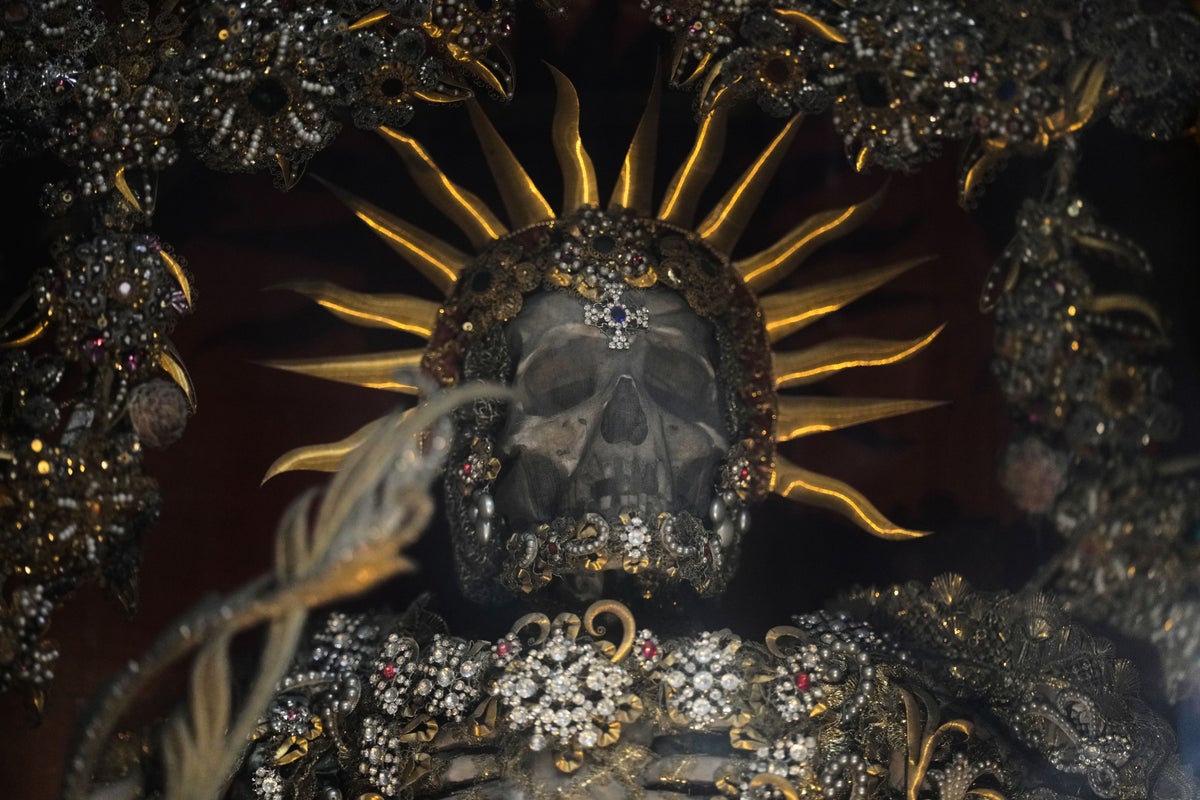
Multiple reports say Catholic churches in Bavaria, southern Germany, display elaborately decorated skeletons that some visitors find surprising. The items are described as “catacomb saints” or “Holy Bodies,” which are skeletal remains presented with religious and historical presentation. One commonly cited example is the monastery church of Banz in southern Germany, where four such skeletons are displayed.
The skeletons are presented as long-standing fixtures in these churches, with the practice tracing back centuries, according to the outlets. Visitors may encounter the skeletons in church spaces where they are decorated and arranged in a manner meant to be both devotional and memorial. Sources indicate the display has persisted across generations, contributing to the churches’ reputation as unusual but established sites for cultural and religious tourism.
While the reports focus on visitor reactions and the visual complexity of the displays, they generally agree on the core details: the presence of decorated skeletons, their designation as catacomb saints or Holy Bodies, and their continued exhibition in Bavarian Catholic church settings, including the church of Banz.