


Zimbabwe’s current political and economic situation is being framed as a “two-track” reality, with long-term security for the ruling political class contrasting with persistent hardship for many workers. In coverage tied to a BRICS+ focus, attention is drawn to domestic workers receiving a $5 pay increase, described as a concrete improvement for some households. The same reporting emphasizes that this step occurs alongside continuing economic precarity, with poverty and limited opportunities remaining widespread. The narrative also notes that the ruling elite is positioned to maintain control of the presidency for years, underscoring how political dominance and economic outcomes can diverge. Taken together, the accounts describe a country where incremental wage adjustments do not erase broader pressures facing low-income workers, while political power appears entrenched. The reporting does not provide a fuller set of wage or inflation data in the cited material, but it characterizes the gap between relative gains for some workers and the ongoing struggle for economic stability as central to the current period in Zimbabwe.
Zimbabwe’s wage rise amid political entrenchment highlights widening economic divide
Zimbabwe’s current political and economic situation is being framed as a “two-track” reality, with long-term security for the ruling political class contrasting with persistent hardship for many worke...

- Domestic workers in Zimbabwe receive a pay increase of $5.
- Zimbabwe’s ruling elite is described as maintaining its grip on the presidency for years.
- The reporting characterizes the situation as a contrast between political entrenchment and economic precarity.
- The accounts frame economic conditions in Harare as involving ongoing poverty for many people.
While Zimbabwe's ruling elite secures its grip on the presidency for years to come, the country's domestic workers have been handed a $5 raise, a juxtaposition that captures, almost too neatly, the asymmetry between political entrenchment and economic precarity in Harare today.
2 months ago
Diamondbacks’ latest MLB lineups feature Corbin Carroll, Ketel Marte and Gabriel Moreno
Multiple Yahoo Sports “discussion” pages list Arizona’s probable lineups for several MLB matchups, including games again...
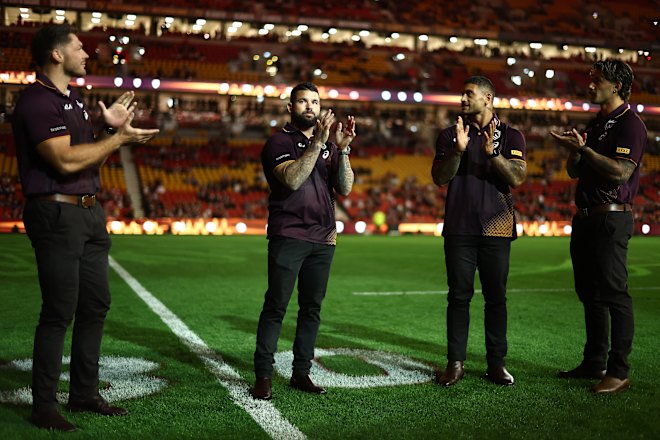
Broncos apologise after chaotic send-off for departing captain Adam Reynolds
Brisbane Broncos apologise to fans after what outlets describe as a mishandled send-off for departing captain and halfba...

Nicky Winmar set for sentencing after assault conviction in regional Victoria
Nicky Winmar, a former AFL player associated with St Kilda, is set to learn his sentence after being found guilty of ass...