


A large US study finds an association between receiving the shingles (herpes zoster) vaccine and a lower risk of developing dementia. Researchers analyze data from more than 500,000 people and compare outcomes for those who received the vaccine with those who did not. They report that vaccinated participants are about 24% less likely to develop dementia than their unvaccinated counterparts. The sources note that while the results suggest a potential protective effect, scientists do not yet fully understand why the vaccine would reduce dementia risk. The analysis is observational in nature, meaning it can identify a link but cannot by itself confirm that vaccination directly prevents dementia. The study’s authors point to the need for further research to clarify the biological mechanism behind the association and to determine whether the findings hold across different populations and study designs. Overall, the reporting highlights both the size of the dataset and the remaining uncertainty about causality and explanation.
Shingles vaccine linked to lower dementia risk in large US study
A large US study finds an association between receiving the shingles (herpes zoster) vaccine and a lower risk of developing dementia. Researchers analyze data from more than 500,000 people and compare...

- A US study uses data from more than 500,000 people to assess dementia outcomes.
- People who received the shingles vaccine show a reported 24% lower likelihood of developing dementia.
- The comparison is between vaccinated and unvaccinated groups.
- Researchers say they are still unclear about why the association may exist.
- The findings come from analysis of existing data rather than a confirmed causal trial.
Researchers in the US analysed data from more than 500,000 people and found those who received the shingles jab were 24 per cent less likely to develop dementia than those who did not.
2 months agoResearchers in the US analysed data from more than 500,000 people and found those who received the shingles jab were 24 per cent less likely to develop dementia than those who did not.
2 months ago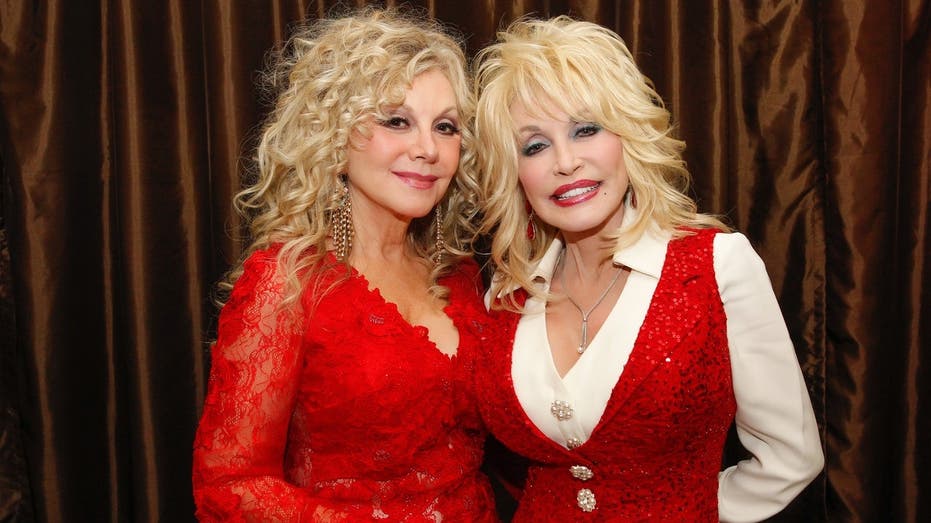
Dolly Parton’s sister says she was open to experimental cancer drugs
Dolly Parton’s sister, Stella Parton, says Dolly was willing to try experimental drugs during her late cancer battle. Se...
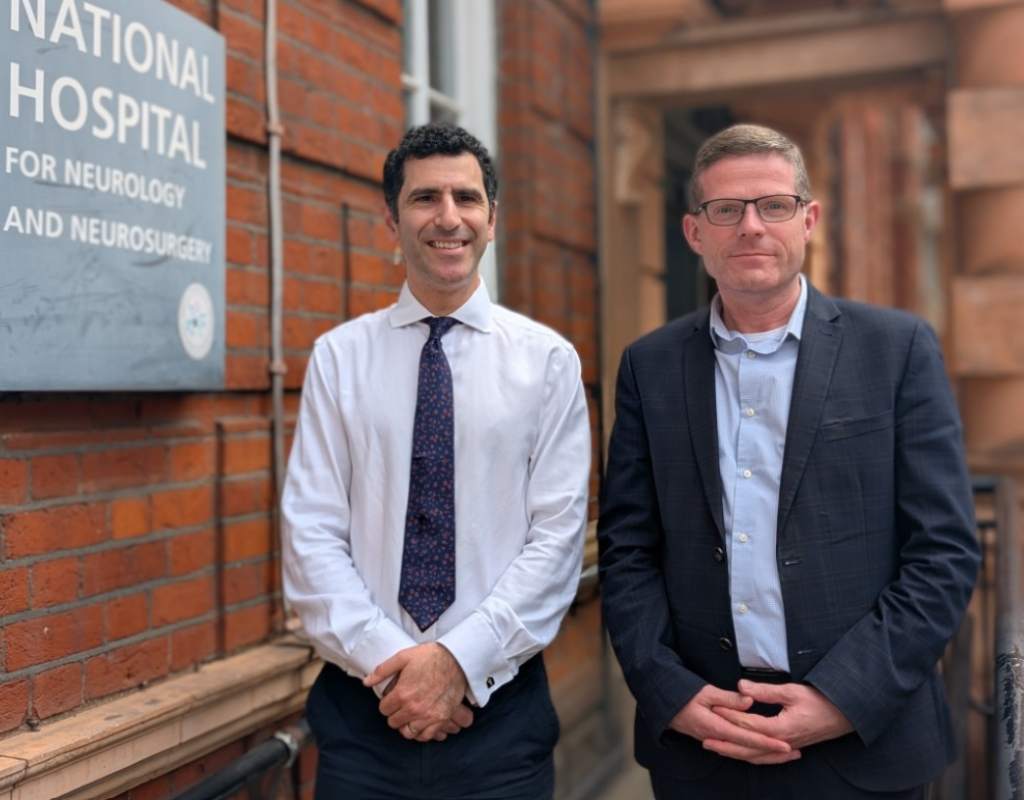
London surgeons perform first successful AI-assisted brain tumour removal
Surgeons at London’s National Hospital for Neurology and Neurosurgery complete what health officials and the hospital de...
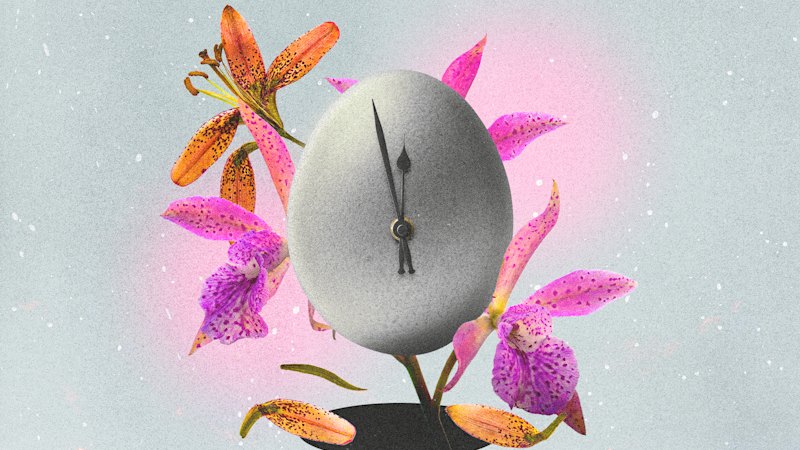
“Fertility test” adoption rises as doctors warn it cannot predict conception chances
More women are increasingly getting marketed “fertility tests,” often described as an “egg timer,” despite warnings from...