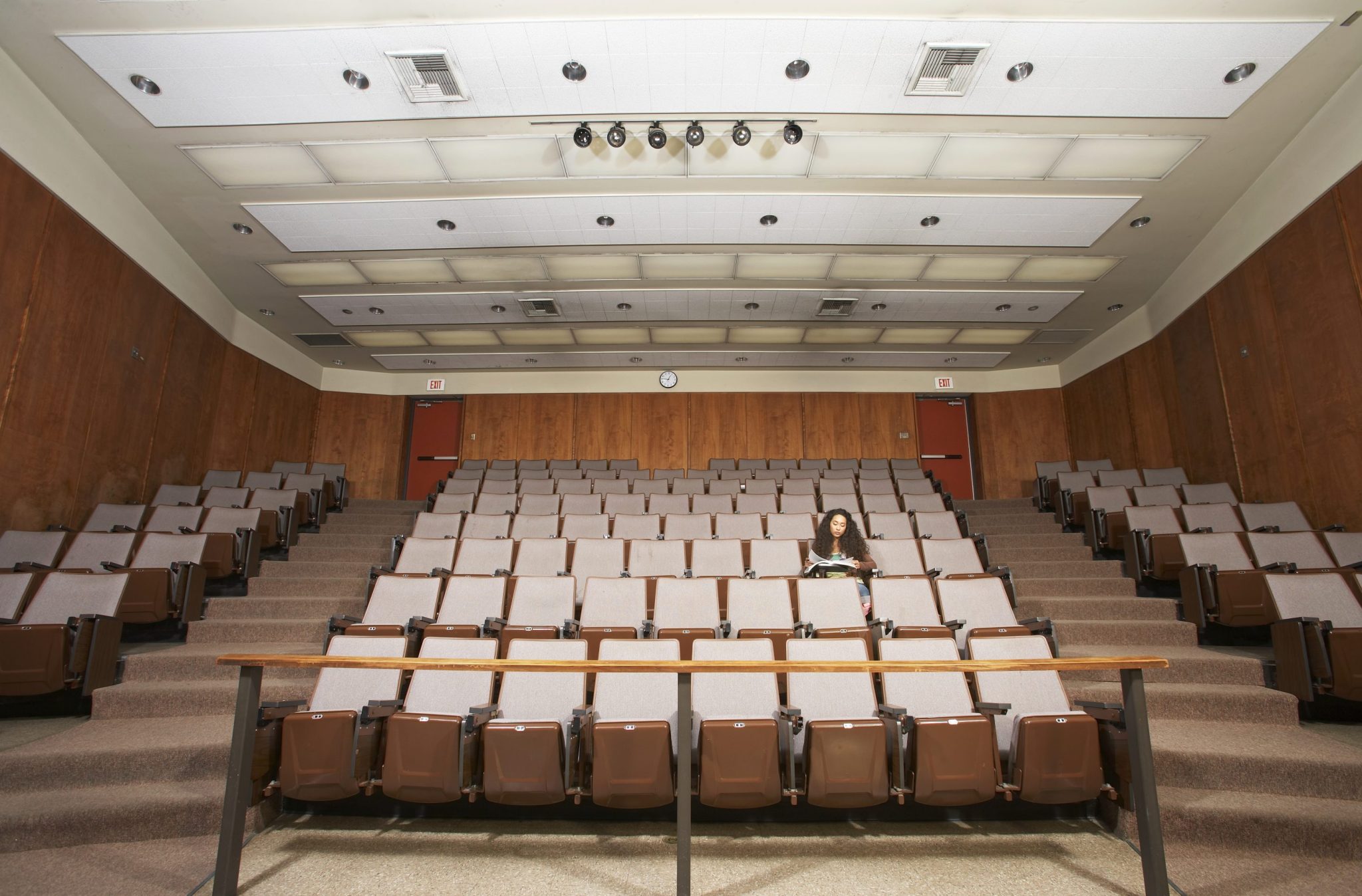
Multiple outlets report that people who would have been born after the 2008 period—often referred to as “missing children” tied to the Great Recession—are now reaching college age, showing up in enrollment patterns. As these cohorts enter the higher-education system, colleges experience shifting demand, including years with unexpected decreases or increases in student counts. This demographic change is described as contributing to what some researchers and commentators call an “enrollment volatility” era, where enrollment is less predictable than it was in prior decades.
The sources connect these enrollment swings to broader financial pressure for colleges because tuition and state or institutional funding often depend on stable headcounts. When enrollment fluctuates, schools may face challenges planning budgets, staffing, and program capacity. While the coverage focuses on the timing of when these demographic cohorts begin to appear in colleges, it also frames the development as a signal that demographic uncertainty is becoming a more visible driver of the financial pressures affecting higher education.