


Multiple commentators raise concerns that generative AI complicates how intent and accountability are assessed in Indian courts under the recently introduced Bharatiya Nyaya Sanhita (BNS). The core issue discussed is attribution: where an AI system produces or assists in harmful outcomes, legal responsibility may hinge on proving intent and determining which human or organizational actors should be treated as responsible. Sources argue that the traditional approach—seeking to limit liability by claiming that an autonomous or “tool-like” system acted independently—may be harder to apply as AI capabilities advance and generate outputs that influence decisions and outcomes. Experts say courts will likely need clearer ways to evaluate the role of developers, deployers, and users, including how systems are configured, what safeguards are in place, and what knowledge or oversight is exercised by those operating the technology. Overall, the discussion frames the BNS and evolving AI use as creating new legal tests for establishing responsibility when AI is involved in alleged wrongdoing.
Experts debate whether generative AI can face liability under India’s new criminal code
Multiple commentators raise concerns that generative AI complicates how intent and accountability are assessed in Indian courts under the recently introduced Bharatiya Nyaya Sanhita (BNS). The core is...
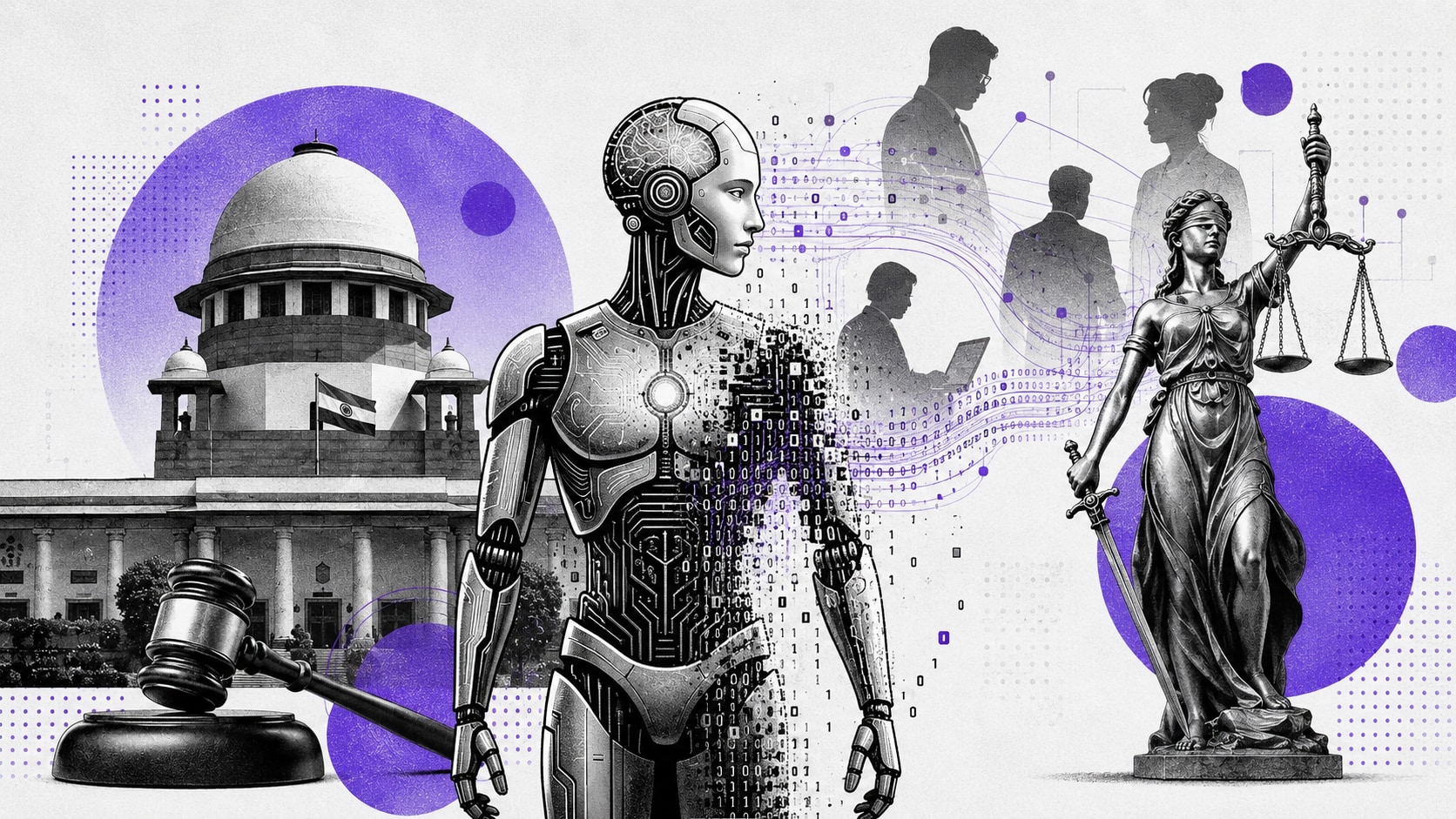
- Legal experts say generative AI complicates how Indian courts determine intent and accountability under the Bharatiya Nyaya Sanhita (BNS).
- Sources note that attributing responsibility may become more difficult when AI systems generate outputs used in harmful or disputed actions.
- Commentators suggest the “autonomous tool” defence may be less persuasive as AI systems become more capable.
- The debate focuses on identifying which human or organizational actors—such as developers, deployers, or users—could be held responsible.
- There is a call for clearer judicial and legal approaches to evaluate roles, oversight, and safeguards around AI use.
India's legal landscape faces a major crisis as generative AI blurs the lines of intent and accountability under the new BNS. Legal experts warn that the classic corporate shield of blaming an...
2 months agoIndia's legal landscape faces a major crisis as generative AI blurs the lines of intent and accountability under the new BNS. Legal experts warn that the classic corporate shield of blaming an autonomous tool is rapidly expiring.
2 months ago
OpenAI ends Cursor model-supply deal after SpaceX acquisition
OpenAI says it will end its partnership with Cursor, the AI coding agent, after SpaceX acquires Cursor’s parent company....
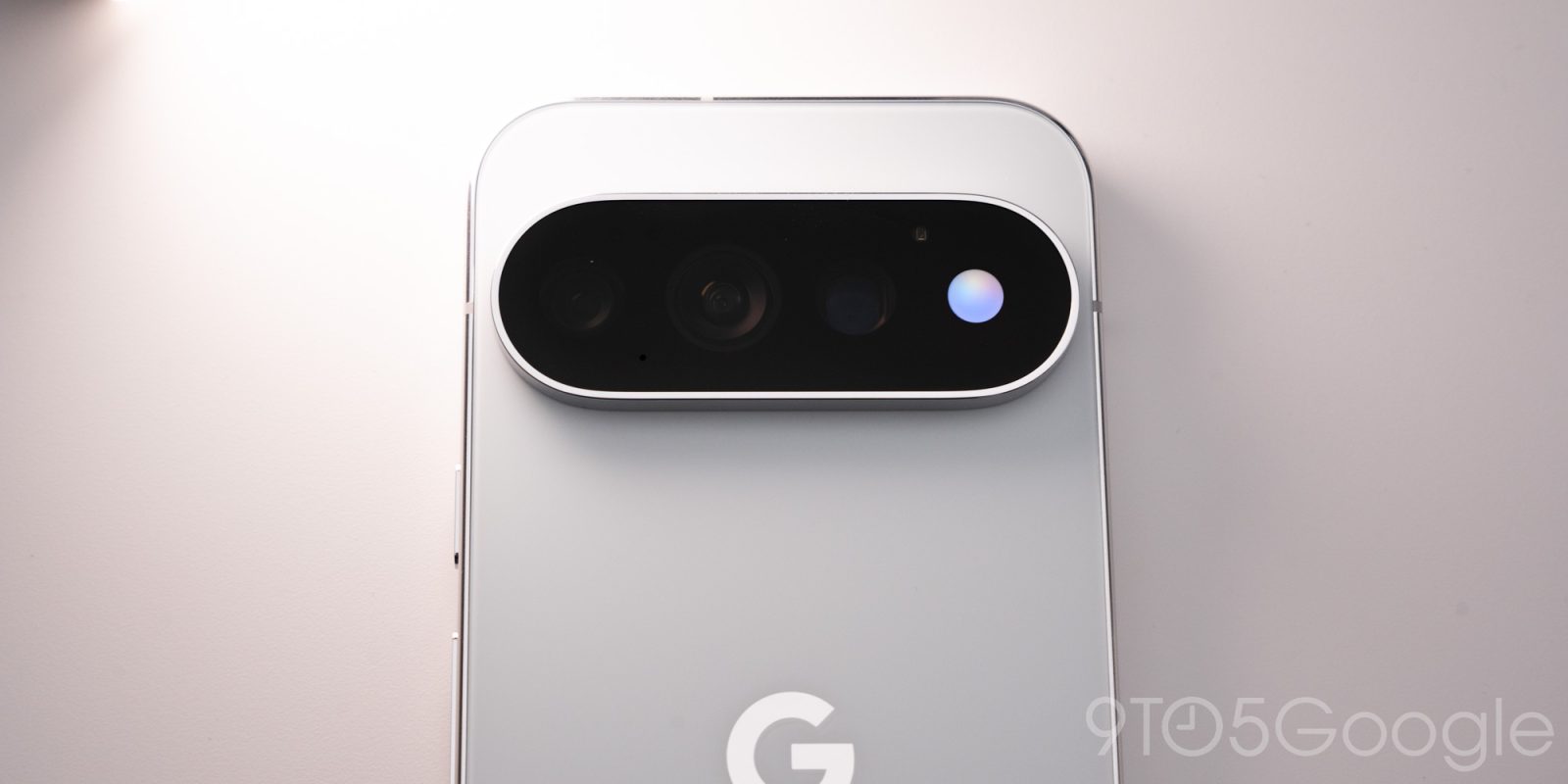
Pixel 11 Pro’s HiLight LED sparks third-party app fixes and leaked feature details
Google’s Pixel 11 Pro introduces “HiLight,” a small notification light intended to glow when the phone is face down, inc...

Visa expands support for clients on AI-era cybersecurity
Visa announces an expansion of support for its clients and the payments industry as organisations navigate an “AI era” o...