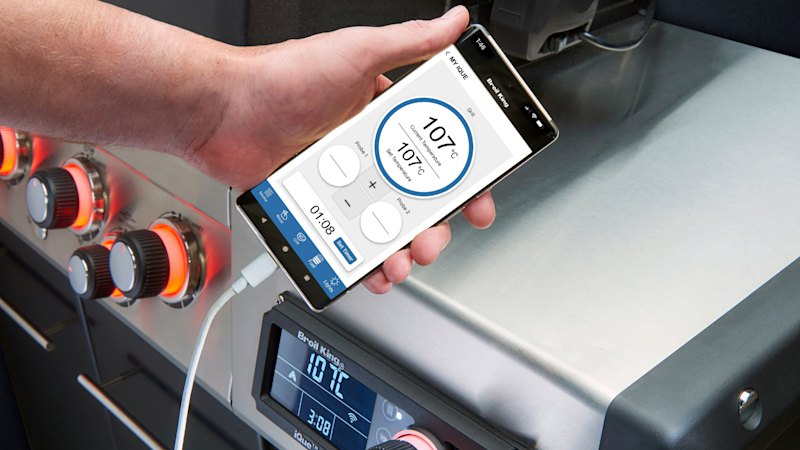
Across outlets, a similar experiment explores whether connected kitchen technology improves cooking outcomes. The articles describe a kitchen outfitted with three types of Wi‑Fi-enabled devices: a smart barbecue, a high-priced cooking robot priced around $2,649, and a smart air fryer. The central premise is that devices using connectivity and onboard guidance could reduce guesswork and help users achieve more consistent results.
While the pieces differ in focus, they converge on one broad takeaway from the writer’s experience: only one of the devices meaningfully changes how the writer feels about preparing dinner. The other devices are presented as less impactful in practice, despite their advanced features and the expectation that automation or remote/connected controls would improve performance.
Overall, the coverage emphasizes the gap between technology marketing and day-to-day results, presenting connected cooking tools as potentially useful but not universally transformative. The articles are framed as personal, observational accounts rather than controlled studies, reflecting real-world reactions to specific products and their ease of use.