


A UN event marking Juneteenth examines how art and culture influence hatred, either by reinforcing it or by challenging it. Speakers describe how cultural materials and creative practices can become tools of harm, pointing to staged representations of harmful media such as a reconstructed hate radio broadcast. The discussion also highlights how cultural remembrance can support resistance to prejudice. Participants cited historical and symbolic artifacts, including an image of a gold collar worn by an enslaved African, to illustrate how slavery and dehumanization leave lasting traces that culture can help confront. Artists and organizers further referenced the preservation of music nearly a century after the Holocaust, underscoring how cultural memory can endure and educate across generations. The session also included participatory remembrance elements, such as porcelain coffee cups used as a medium for reflection, showing how interactive artistic formats can create space for dialogue. Overall, the UN discussion presents art and culture as mechanisms that can either spread hatred or strengthen efforts to counter it.
UN discussion highlights how art and culture can fuel or counter hate on Juneteenth
A UN event marking Juneteenth examines how art and culture influence hatred, either by reinforcing it or by challenging it. Speakers describe how cultural materials and creative practices can become t...
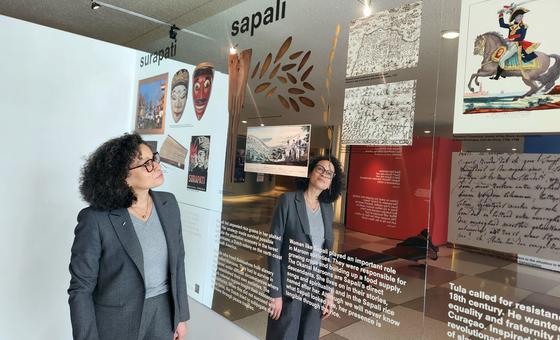
- A UN event on Juneteenth discusses the role of art and culture in shaping attitudes toward hatred.
- Speakers use examples including a staged reconstruction of a hate radio broadcast to illustrate how culture can fuel hate.
- The discussion highlights cultural remembrance practices as ways to counter prejudice and support education.
- Examples cited include an enslaved African’s gold collar and preserved music from after the Holocaust.
- The event includes participatory artistic elements, such as porcelain coffee cups, to prompt reflection and dialogue.
[UN News] From a gold collar worn by an enslaved African to music preserved for nearly a century after the Holocaust, a staged reconstruction of a hate radio broadcast or porcelain coffee cups laid out in participatory remembrance, artists in a United Nations discussion on Friday used powerful images to underscore how culture can shape the fight against hatred.
2 months agoFrom a gold collar worn by an enslaved African to music preserved for nearly a century after the Holocaust, a staged reconstruction of a hate radio broadcast or porcelain coffee cups laid out in participatory remembrance, artists in a United Nations discussion on Friday used powerful images to underscore how culture can shape the fight against hatred.
2 months ago
Mowbray Moslem Cemetery Board announces newly elected members after court-directed election
The Mowbray Moslem Cemetery Board announces 11 newly elected members. The election follows a process directed by a court...

Witness tells inquiry Transport Accident Commission support worsened her grief after child’s death
An inquiry hears evidence from Kerryn Airs, who says she witnessed the death of an eight-year-old child and that the Tra...
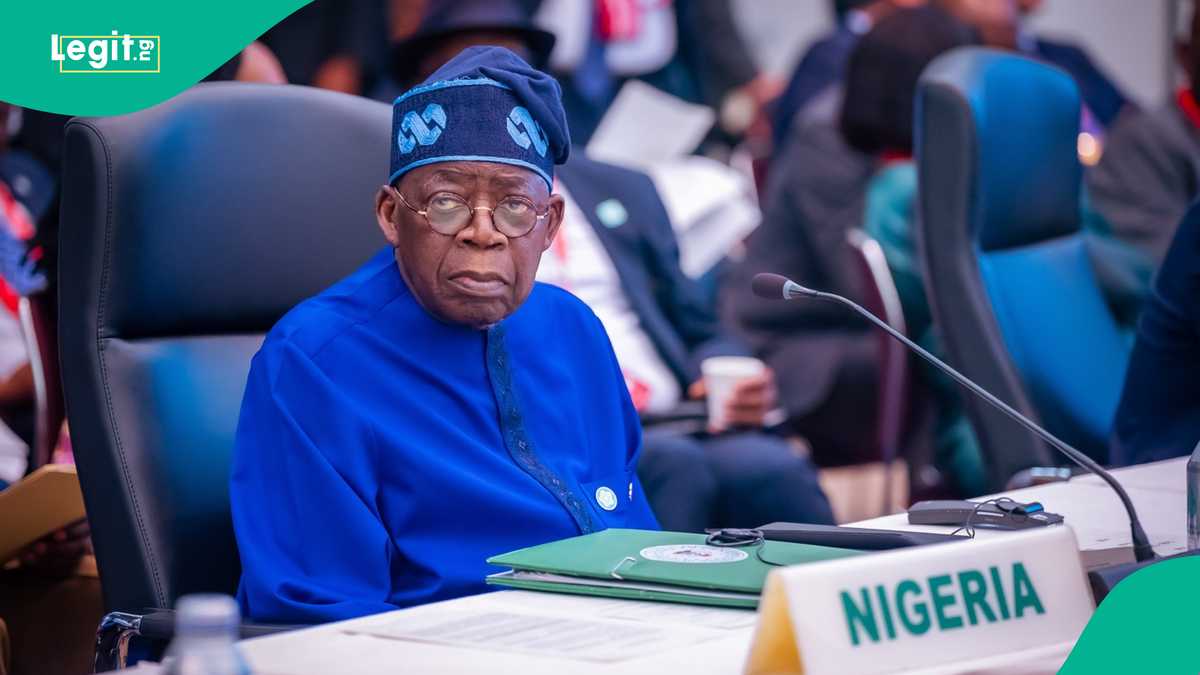
Tinubu orders 500 more CNG stations to expand to 1,000 nationwide
President Bola Tinubu orders the rollout of 500 additional compressed natural gas (CNG) refuelling stations, as part of...