


UN News reports that innovators, particularly in the Global South, often struggle to scale and deliver solutions for major challenges such as malaria and energy. The coverage attributes the gap to barriers in access to funding and wider opportunities, which can prevent promising technologies and approaches from reaching the people who need them most. Rather than focusing on the availability of ideas alone, the article emphasizes that the bottleneck occurs after development—when innovators must secure investment, partnerships, and pathways to deployment. The reporting presents the issue as systemic, affecting innovators across sectors, including public health and energy. It highlights that solutions originating in low- and middle-income regions may fail to spread widely due to constraints in how support is structured and distributed. The article does not name specific programs or countries in the provided excerpt, but frames the problem as limiting the impact of solutions already being developed in parts of the world most affected by these challenges. Overall, it calls attention to how improving access to resources could help accelerate adoption of malaria and energy interventions.
Global South innovators say funding gaps limit access to key malaria and energy solutions
UN News reports that innovators, particularly in the Global South, often struggle to scale and deliver solutions for major challenges such as malaria and energy. The coverage attributes the gap to bar...
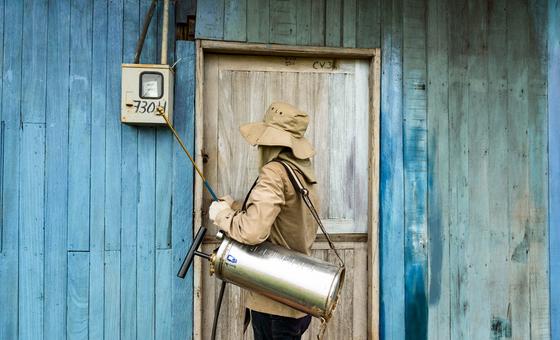
- UN News reports that Global South innovators often face barriers to accessing funding and opportunities.
- The coverage links these barriers to delays in delivering solutions for major challenges, including malaria and energy.
- Despite developing relevant solutions, innovators may not reach the populations that need them most.
- The issue is presented as systemic, affecting multiple sectors rather than a single initiative.
[UN News] Innovators - especially in the Global South - are too often locked out of funding and opportunity despite offering solutions to some of the world's most pressing challenges.
2 months agoInnovators – especially in the Global South – are too often locked out of funding and opportunity despite offering solutions to some of the world’s most pressing challenges.
2 months ago
Inquiry ordered after PIMS fire kills 14 infants in Islamabad
A fire at the Pakistan Institute of Medical Sciences (PIMS) in Islamabad kills 14 infants in the Mother and Child Health...

Niger says soldiers attempted mutiny amid overnight gunfire in Niamey
Niger’s defense ministry says some soldiers attempted a mutiny overnight, after gunfire and explosions were heard across...

Person taken to hospital after deliberate arson attack on home in Co Tyrone
A person is taken to hospital after a fire breaks out at a home in Coalisland, Co Tyrone, following an arson attack, acc...