


South Korea’s top economic policymaker says the country’s AI-driven semiconductor boom is economically strong but raises concerns about where the gains go. Kim Yong-beom, who leads policy planning at the Presidential Policy Office, points to record performance linked to the chip surge, including higher exports, corporate profits, and stock prices. While he acknowledges the figures are encouraging, he warns that a potential “windfall” could push more money into property markets. Both outlets report that Kim describes risks such as housing or real-estate speculation and the possibility that benefits become concentrated among a limited group. The concern is that if chip-related gains do not broaden across the economy, they could contribute to wider inequality and distort asset prices. The reports frame his comments as a call to consider distribution and macroeconomic consequences as semiconductor revenues continue to rise. Overall, the outlets agree that South Korea’s semiconductor upturn is already boosting key economic indicators, but it also prompts policy scrutiny over potential spillover effects in housing and inequality.
South Korea policy chief warns AI chip windfall could fuel housing speculation
South Korea’s top economic policymaker says the country’s AI-driven semiconductor boom is economically strong but raises concerns about where the gains go. Kim Yong-beom, who leads policy planning at...
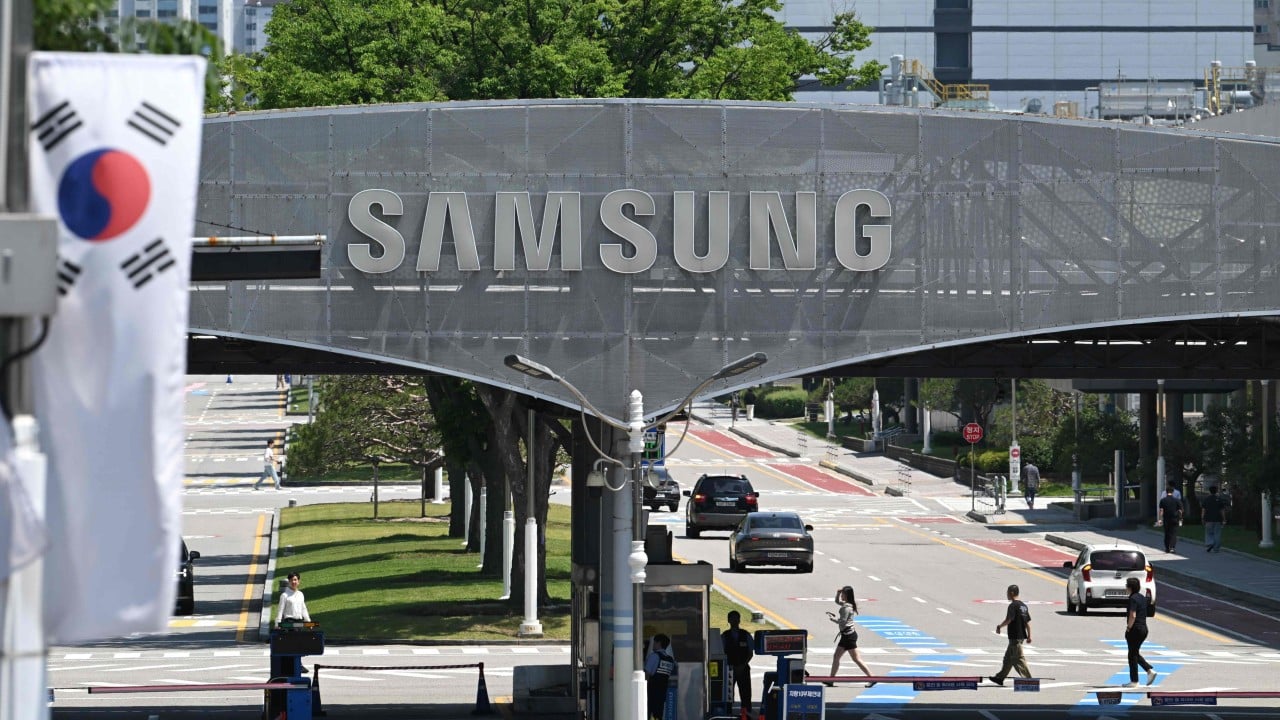
- Kim Yong-beom, head of policy planning at South Korea’s Presidential Policy Office, warns about possible negative spillovers from the chip boom.
- Both outlets say the AI-driven semiconductor surge is boosting exports, corporate profits, and stock prices.
- Kim cautions that chip-related windfall money could increase property or housing speculation.
- The warnings also include concerns that gains could remain narrowly concentrated, potentially worsening inequality.
South Korea’s AI-driven semiconductor boom has sent exports, corporate profits and stock prices to record highs, but a senior policymaker has warned that the windfall could fuel property speculation and deepen inequality if its gains remain narrowly concentrated. “Looking solely at the numbers, it is something to cheer about. However, strangely, a corner of my heart feels heavy,” Kim Yong-beom, chief of the Presidential Policy Office and one of South Korea’s most senior economic policymakers,...
2 months agoA semiconductor boom is a fine problem for a country to have, until you start asking where the money goes. That is roughly the question South Korea’s top economic policymaker put to the public this week. Kim Yong-beom, who heads policy planning in the presidential office, warned that the windfall from the AI-driven chip surge […] This story continues at The Next Web
2 months ago
U.S. and South Korea curtail joint drills after Trump orders reduction citing North Korea ties
The United States and South Korea cut short and/or curtail their joint military exercises after President Donald Trump i...

Australian trade chief defends EU free trade deal amid uncertainty over parliamentary approval
Australia’s trade chief publicly defends an EU free trade agreement worth about $10 billion per year, urging support as...

Victorian Auditor-General exposes secret fare levy funding Suburban Rail Loop
The Victorian Auditor-General reports that a “secret” levy is being applied to public transport fares to help fund the S...