
India’s drive to expand ethanol blending, including higher blends such as E100, is presented as depending less on policy announcements and more on whether fuel economics work for drivers. Coverage highlights that the next phase of India’s ethanol programme relies on affordability—whether the blended fuel price translates into savings at the pump compared with conventional petrol. The reporting indicates that while the country continues to pursue ethanol as a pathway for energy transition, the scale-up effort turns on consumer uptake: motorists must see enough financial benefit to accept blended fuels. In this context, market pricing and cost competitiveness are treated as decisive factors for adoption, alongside the implementation of blending targets. Overall, the emphasis is on practical outcomes—how changes in ethanol supply, pricing, and blending affect retail costs—rather than on the policy direction alone. The articles frame the affordability test as the key determinant of whether India’s ethanol blending expansion gains momentum beyond early stages.
India’s ethanol blending push focuses on affordability and perceived savings for motorists
India’s drive to expand ethanol blending, including higher blends such as E100, is presented as depending less on policy announcements and more on whether fuel economics work for drivers. Coverage hig...

- India’s ethanol blending expansion, including higher blends such as E100, is underway.
- The future scale-up is linked to whether blended fuel is affordable for motorists.
- Adoption depends on whether drivers perceive enough savings at the pump.
- Pricing competitiveness is treated as a key factor, alongside blending targets.
- The programme’s progress is framed as outcome-driven rather than driven only by policy announcements
Even as India bets on E100, the next phase will depend on whether motorists will see enough savings
16 hours agoEven as India bets on E100, the next phase will depend on whether motorists will see enough savings
18 hours ago
Tinubu appoints Prof. Oluwatoyin Ogundipe as NUC governing board chairman
President Bola Tinubu appoints Professor Oluwatoyin Temitayo Ogundipe as the new chairman of the governing board of the...

Oyebanji re-elected as Ekiti governor; Tinubu, governors and party back victory
Ekiti State Governor Biodun Oyebanji is re-elected for a second term after winning Saturday’s governorship election, whi...
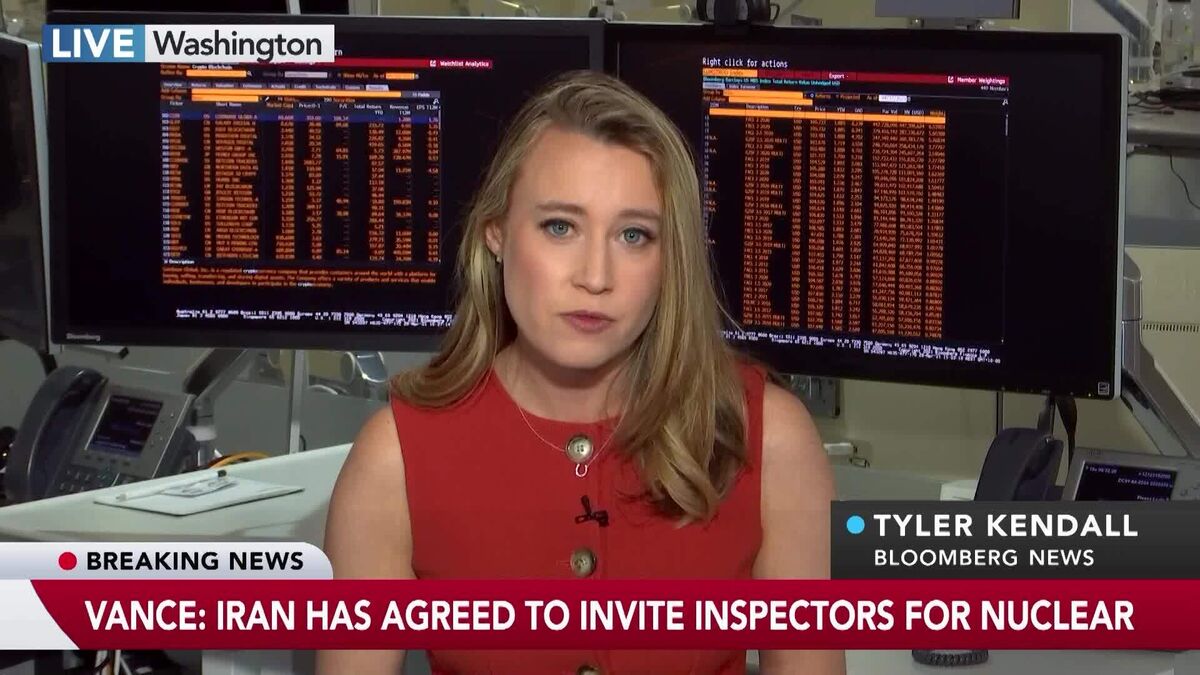
Vance says US-Iran talks in Switzerland lay a ‘good foundation’ for ending war
US Vice President J.D. Vance says the United States and Iran have laid a “good” or “very good” foundation for a final ag...