


Multiple outlets report that UK Prime Minister Keir Starmer is set to leave Downing Street without having clearly articulated the political principles or platform he stood for during his time in office. One account characterizes Starmer’s governing style as “stolid managerialism,” suggesting that his approach focused on administration and management rather than explaining a broader vision for the country. Another similarly links his effectiveness in opposition—when Labour used his restrained, managerial persona to appeal to voters—to a perceived mismatch between that style and the expectations of the period he governed. Both summaries frame his departure as notable because they say he did not provide a sufficiently clear explanation of what he represented. The coverage also situates Labour’s rise in opposition within a broader political context, describing voter fatigue with the Conservative government and its earlier controversies, and implying that Starmer’s appeal did not fully translate into a communicative and values-driven governing narrative.
Keir Starmer leaves Downing Street without detailing his political platform, outlets say
Multiple outlets report that UK Prime Minister Keir Starmer is set to leave Downing Street without having clearly articulated the political principles or platform he stood for during his time in offic...
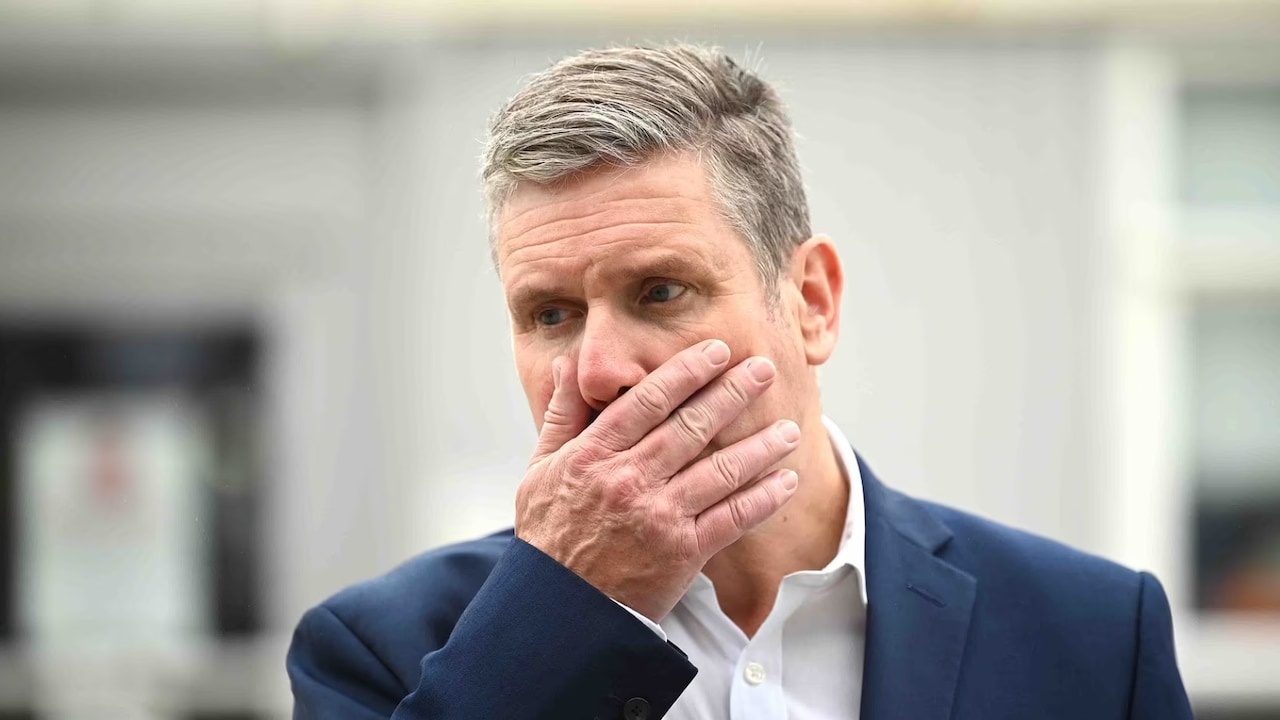
- Keir Starmer is reported to be leaving Downing Street.
- Outlets describe his style as “stolid managerialism.”
- Coverage says he did not clearly explain what he stood for.
- Articles link his appeal in opposition to Labour’s messaging to voters.
- The reporting frames this within voter dissatisfaction with recent Conservative politics.
In opposition, Starmer's stolid managerialism helped Labour influence a nation tired of the shenanigans of Boris Johnson.
2 months agoBritish Prime Minister Keir Starmer's stolid managerialism helped Labour woo a nation tired of Tory government, but it was out of step with the times in which he came to govern.
2 months ago
Tony Abbott calls for a separate museum to commemorate Australia’s frontier wars
Former prime minister Tony Abbott says the Australian War Memorial is not the right place to focus on Australia’s fronti...
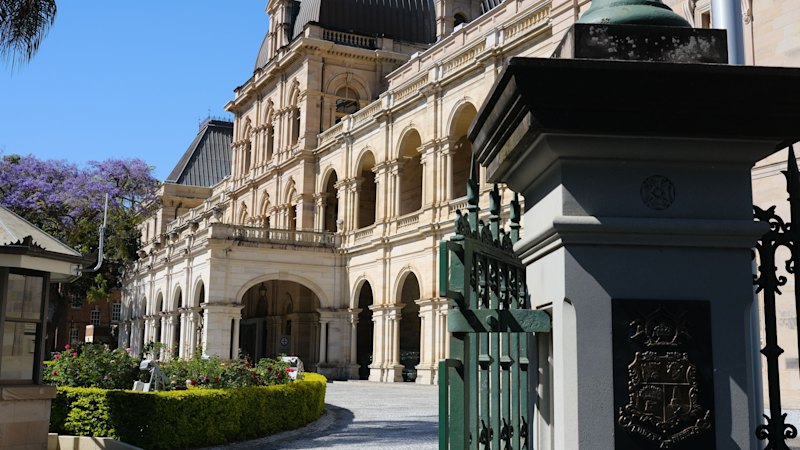
Queensland passes controversial government powers expansion as renewables rules change
Queensland MPs return to parliament after a late sitting in which legislation expanding government powers passes, accord...

Northern senators urge federal government to rescue abducted victims from Niger mosque attack
Northern Senators Forum and allied lawmakers and groups call for the immediate rescue of people abducted during an attac...