


A recent ruling by the Mpumalanga High Court focuses on the requirements for B-BBEE compliance and warns against practices that amount to token representation. The court signals that meeting B-BBEE obligations requires more than appointing or presenting a Black person for formal compliance purposes. Instead, it emphasizes that genuine participation and meaningful engagement are necessary to satisfy the intended purpose of the B-BBEE framework. The decision highlights that B-BBEE is not treated as a purely administrative exercise, and that compliance claims must align with substantive outcomes rather than appearances. While the case is described as illustrating the complexities involved in applying B-BBEE requirements, the ruling underlines the broader principle that companies must ensure their compliance measures reflect real, effective involvement by qualifying participants. The warning is directed at how compliance is implemented in practice, particularly where arrangements could be viewed as undermining the objectives of the policy.
Court warns Mpumalanga on B-BBEE compliance against tokenism
A recent ruling by the Mpumalanga High Court focuses on the requirements for B-BBEE compliance and warns against practices that amount to token representation. The court signals that meeting B-BBEE ob...

- The Mpumalanga High Court issues a ruling on B-BBEE compliance.
- The court warns against tokenistic approaches to compliance.
- It indicates that compliance requires genuine participation and meaningful engagement.
- The ruling highlights complexities in applying B-BBEE requirements in practice.
- The decision underscores substantive outcomes over purely formal representation.
A recent ruling by the Mpumalanga High Court sheds light on the complexities of B-BBEE compliance, highlighting the need for genuine engagement rather than mere tokenism.
2 months ago
China and Nepal warn of possible breach of barrier lakes after deadly Himalayan floods
A deadly Himalayan flood in Nepal and on the China–Nepal border has left authorities warning of additional flooding risk...
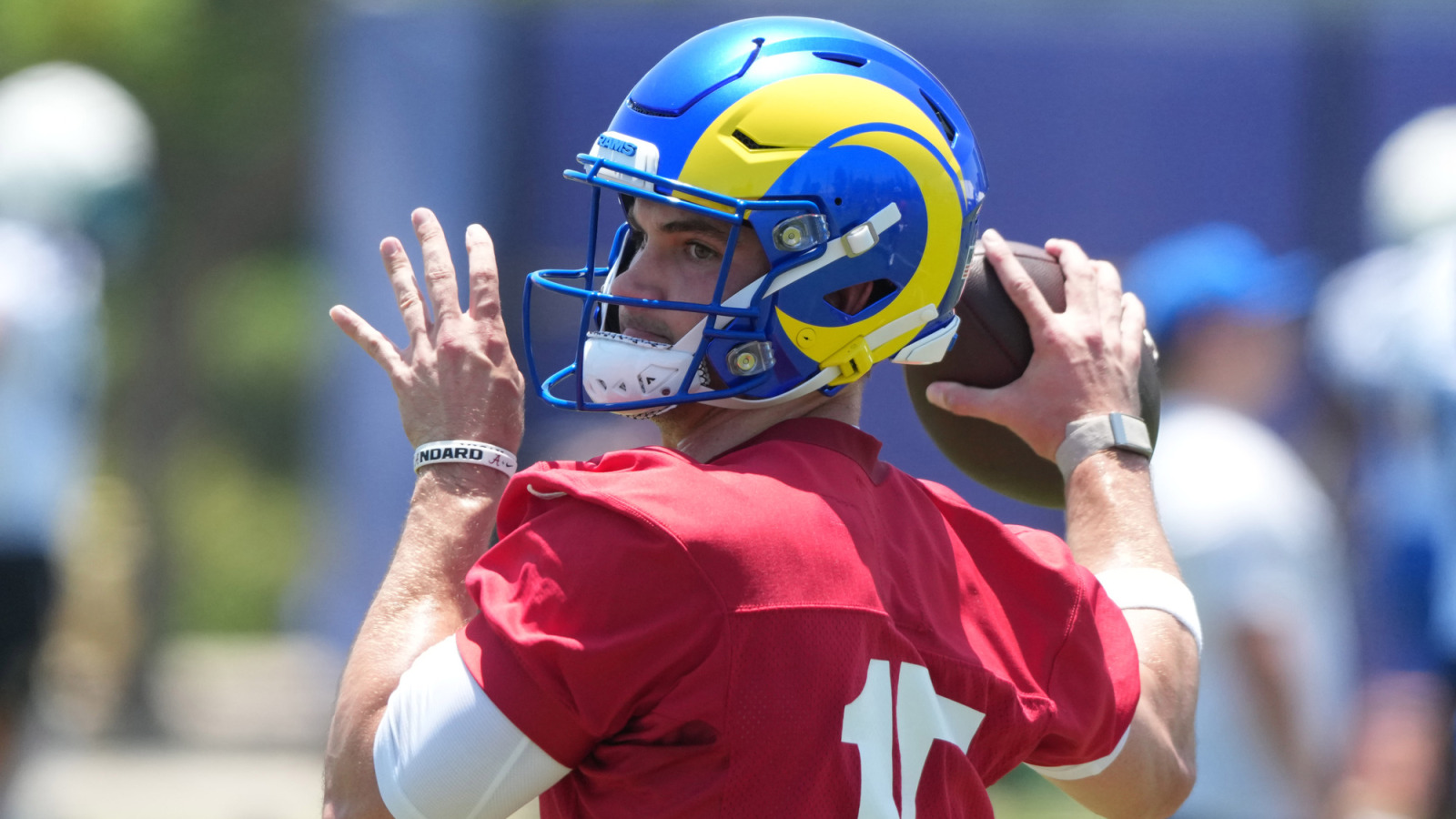
Rams rookie QB Ty Simpson shines in preseason debut vs. Chiefs
Los Angeles Rams rookie quarterback Ty Simpson makes a strong preseason debut, helping the team defeat the Kansas City C...

Trump administration moves to restrict international students’ internships
The Trump administration issues a memo to U.S. universities seeking to limit how certain internships are authorized for...