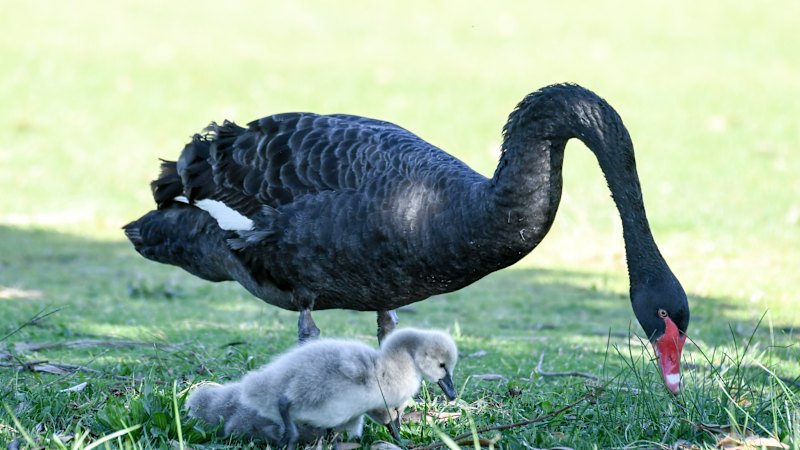
Several outlets report that severe weather over Antarctica could increase the number of sick or dead seabirds reaching Australian shores and thereby help spread H5N1 bird flu. The concern is linked to an outbreak involving H5N1 in the Antarctic region. As storms intensify, seabirds—such as wandering albatrosses—may be carried along prevailing winds and currents, potentially ending up stranded or dying on beaches in Australia.
Both sources describe the same overall risk: that birds already affected by the virus in the Antarctic could arrive in Australia during or after storm periods. The reporting focuses on how changes in weather can affect where birds travel and where they strand, which may raise the likelihood that additional carcasses or weakened birds are detected on the mainland or on islands.
While the accounts emphasize the threat of more bird deaths arriving, they do not dispute that H5N1 is the virus of concern, nor do they provide alternative explanations in the excerpts. The main shared message is that Antarctic storms could worsen the scale and timing of seabird arrivals connected to the current outbreak.