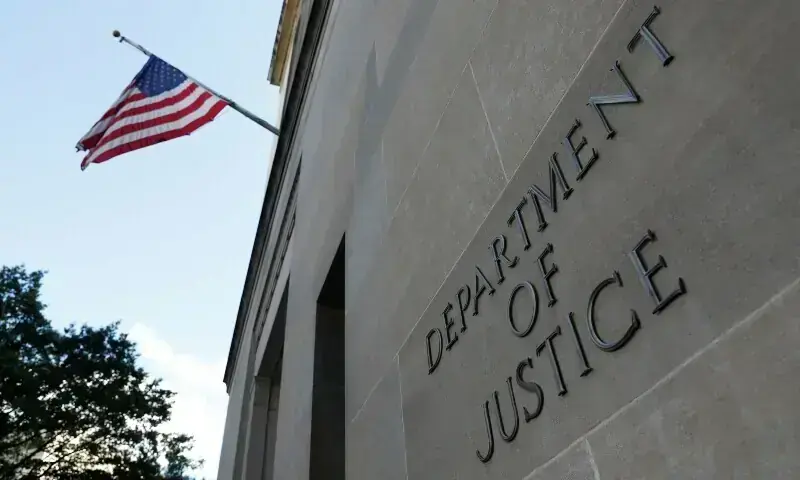
The Trump administration is pursuing denaturalization cases against foreign-born Americans it says are ineligible for citizenship due to alleged fraud, terrorism-related conduct, or serious criminal activity. The US Department of Justice says it has initiated proceedings involving about a dozen naturalized citizens, including an Indian-origin businessman accused of orchestrating an investment fraud scheme involving approximately $2.5 million. Prosecutors allege that some defendants concealed material facts during immigration or naturalization processes, or engaged in conduct that would have disqualified them from obtaining citizenship.
The Justice Department’s Office of Immigration Litigation is coordinating with US Citizenship and Immigration Services and federal prosecutors across multiple states. Denaturalization requires action in federal court and has a high legal standard, typically requiring proof of intentional misrepresentation or the concealment of material facts. Sources note that denaturalization is rare: US authorities filed just over 300 cases between 1990 and 2017, averaging about 11 annually.
Civil liberties groups have warned that expanding denaturalization efforts could increase uncertainty for immigrant communities. The government has not said how many cases would lead to criminal prosecution or deportation, if citizenship is revoked.