


Yale School of Management analysis highlights that recent bans on personalized or surveillance-based pricing in states such as Maryland and Connecticut are only an early step in addressing consumer data use. The discussion points out that while tailored pricing tied to consumer data is restricted, the broader question becomes how companies define and manage trust when using new AI systems. The analysis frames “AI agents” as the next test case, focusing on who these agents are designed to serve and how their actions align with consumer interests and consent. It also raises concerns that even if one form of data-driven pricing is curtailed, companies may still deploy AI tools that use consumer data or operate in ways that affect customers without the same level of transparency. The core issue, as described across the sources, is corporate responsibility as regulation evolves: firms must clarify the purposes, governance, and accountability of AI agents, particularly when they interact with or make decisions affecting individuals. Overall, the coverage argues that trust-related challenges likely move beyond pricing toward broader AI-driven systems as adoption increases.
Yale School of Management warns surveillance pricing bans may shift focus to AI agents
Yale School of Management analysis highlights that recent bans on personalized or surveillance-based pricing in states such as Maryland and Connecticut are only an early step in addressing consumer da...

- Maryland and Connecticut ban personalized pricing based on consumer data.
- Yale School of Management argues these bans are a starting point, not the end of the issue.
- The analysis says AI agents are likely the next major test of corporate trust.
- A central concern is identifying who AI agents are intended to serve.
- The sources emphasize transparency and accountability as regulation and AI use expand.
Maryland and Connecticut have banned personalized pricing based on consumer data. But who do AI agents actually work for?
2 months ago
Tinubu announces federal-state plan to expand CNG to cut transport costs
President Bola Tinubu announces an immediate push with state governments to lower domestic transport costs by scaling up...
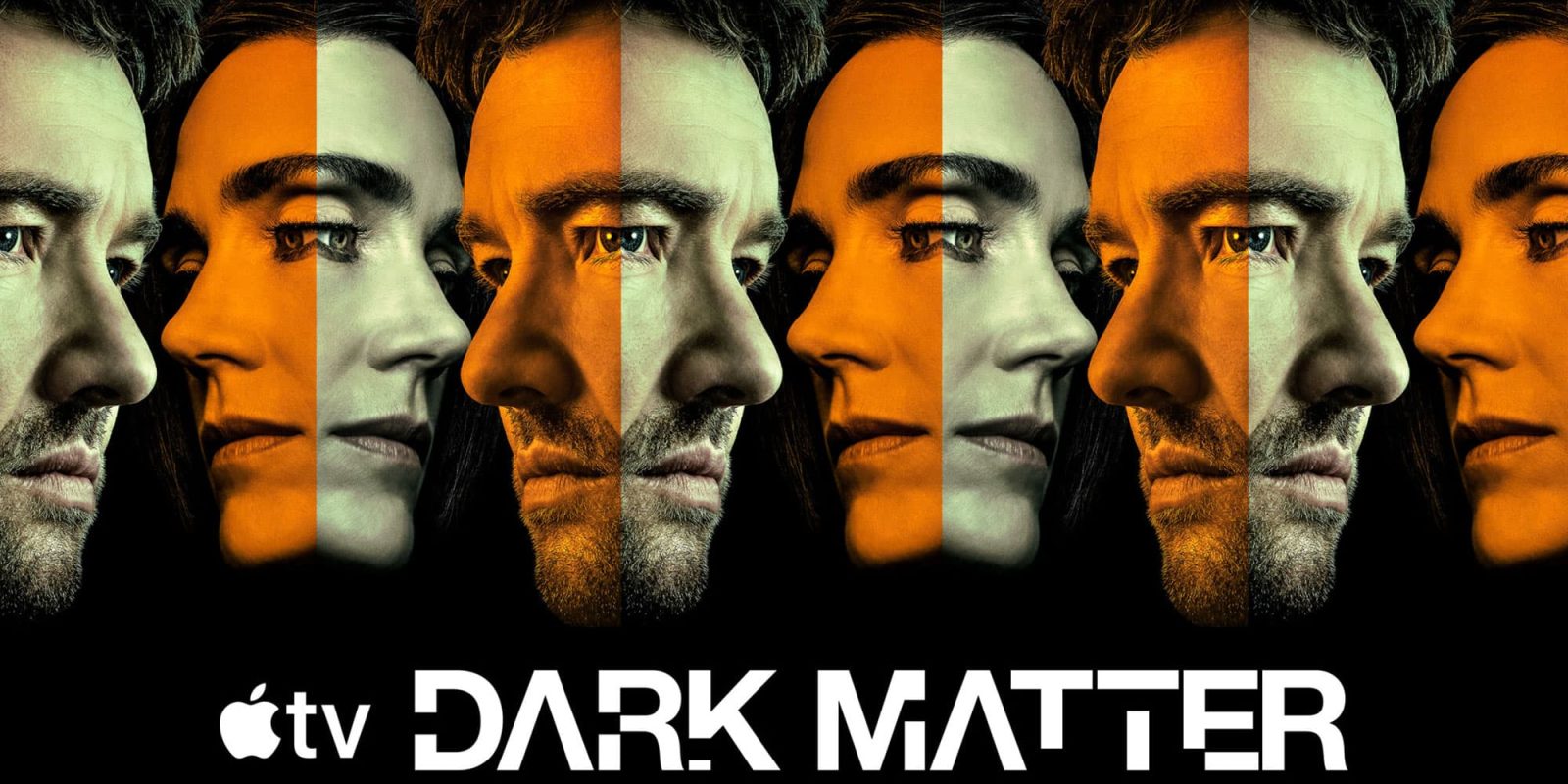
Apple TV’s ‘Dark Matter’ returns with Season 2 premiere this week
Apple TV’s sci-fi thriller “Dark Matter” returns with the premiere of Season 2, making the first episode available to su...

Meta faces child safety lawsuit over alleged addictive design and privacy misstatements
Meta is on trial in federal court over allegations that Facebook and Instagram were engineered to be addictive for child...