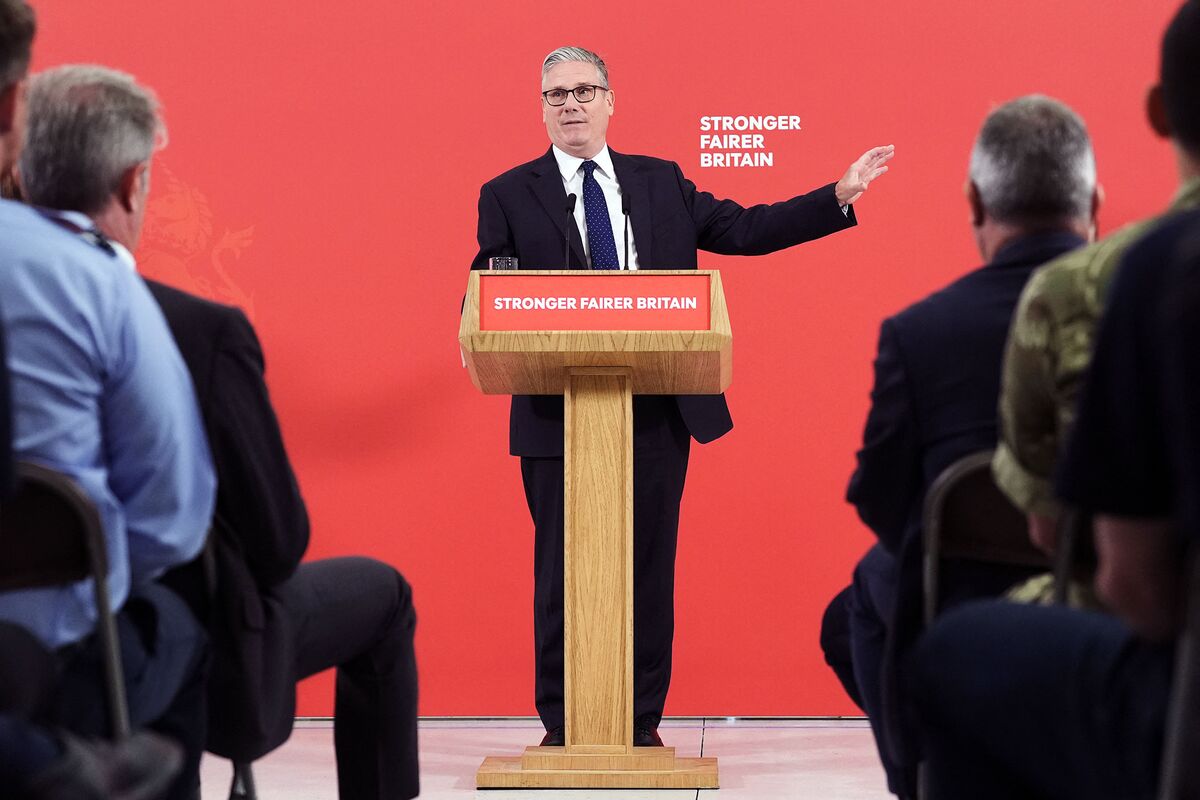
Prime Minister Keir Starmer sets out a long-awaited Defence Investment Plan (DIP) and signals he will not delay it for Labour leader Andy Burnham, who is expected to replace him. Multiple outlets report Starmer’s plan includes an additional £15 billion for defence spending by 2030, taking total defence investment to £298 billion. The announcement comes weeks before Starmer leaves office and follows an earlier increase that defence-related figures and some commentators say does not fully meet assessed needs.
Coverage also highlights potential political friction within Labour. Starmer warns Burnham against “ripping up” the DIP when he becomes prime minister. Some reporting frames this as a possible clash over whether the successor would revisit the spending plan or adjust priorities.
Opposition and internal debate also feature in the coverage, with some questioning whether the extra funding is sufficient and where money would come from. One recurring line is that defence chiefs have called for more investment than is currently provided, and there is discussion of how additional spending could affect other public spending areas, including welfare.
Overall, the DIP is presented as a platform for future governments while underscoring uncertainty over budgeting, capability delivery, and domestic political trade-offs.