


A rare long-period comet, C/2025 R3 PanSTARRS, is becoming visible to stargazers in the Southern Hemisphere over the next two weeks. The comet, which has been traveling through the northern hemisphere, has swung around the Sun and is now observable from southern locations, including New Zealand. Local astronomers say it can appear as a blue-green object with a faint, smudgy tail. Reports indicate the comet’s visibility window is limited: after passing through these regions, it disappears from view for an extended period of roughly 170,000 years, reflecting its long orbital timescale. Observations are expected to be possible with telescopes in New Zealand, Australia, and South Africa, according to coverage from international outlets. The comet’s approach offers a brief opportunity for public viewing as it moves through the night sky before it fades from reach. Astronomers encourage viewers to check local guidance for timing and viewing conditions as the event progresses over the fortnight.
Rare comet C/2025 R3 PanSTARRS becomes visible in southern skies
A rare long-period comet, C/2025 R3 PanSTARRS, is becoming visible to stargazers in the Southern Hemisphere over the next two weeks. The comet, which has been traveling through the northern hemisphere...
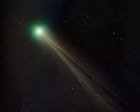
- Comet C/2025 R3 PanSTARRS is visible in southern skies over the next two weeks.
- It is observable from New Zealand, and also reported visible in Australia and South Africa.
- The comet appears blue-green with a faint, smudgy tail.
- Astronomers say it has moved from visibility in the northern hemisphere to the southern hemisphere after swinging around the Sun.
- After this appearance, it is not expected to be seen again for about 170,000 years.
Known as C/2025 R3 PANSTARRS, the comet will be visible to stargazers using a telescope in New Zealand, Australia and South Africa.
3 months agoOver the next two weeks stargazers have a chance to spot the blue-green orb and smudgy tail of comet known as C/2025 R3 PanSTARRS A comet formed on the edges of the solar system will grace southern skies over the next fortnight, giving viewers a rare chance to glimpse it before it disappears from view for another 170,000 years.The comet – known as C/2025 R3 PanSTARRS – had been travelling through the northern hemisphere but has “swung around the sun” and is now visible in the south, said Josh Aoraki, an astronomer at Te Whatu Stardome in Auckland, New Zealand. Continue reading...
3 months ago
Ukraine attack reported on Russian Engels-2 airbase damages a TU-95 bomber
Ukrainian strike reports say a Russian TU-95 bomber is damaged at Engels-2 airbase in Russia’s Saratov region. The claim...

Elizabeth Quigley resigns from BBC Scotland citing health issues
Journalist Elizabeth Quigley, the wife of Scottish First Minister John Swinney, resigns from BBC Scotland on health grou...

Report links UK grooming gangs to organised crime networks, drugs and violence
A report on organised criminal networks says some people and groups involved in child sexual exploitation are also conne...